‘Unemployed penguin’: fans saddened by imminent retirement of Japan beloved smart card mascot
Many fans have questioned the company’s decision, and some have even started petitions for its reversal

The beloved penguin mascot of a transport card in Japan, regarded by many as the most popular penguin in the country, is expected to retire in 2027, according to its issuer.
The affable Suica Penguin will be hanging up its flippers at the end of the 2026 financial year, which concludes on March 31, 2027. It has graced the face of a widely used transport smart card since 2001, as announced by the Tokyo-based rail operator JR East on November 11, reported the Tokyo Weekender.
This card is the first transport Integrated Circuit (IC) card in Japan, with the name Suica derived from the acronym for Super Urban Intelligent Card.
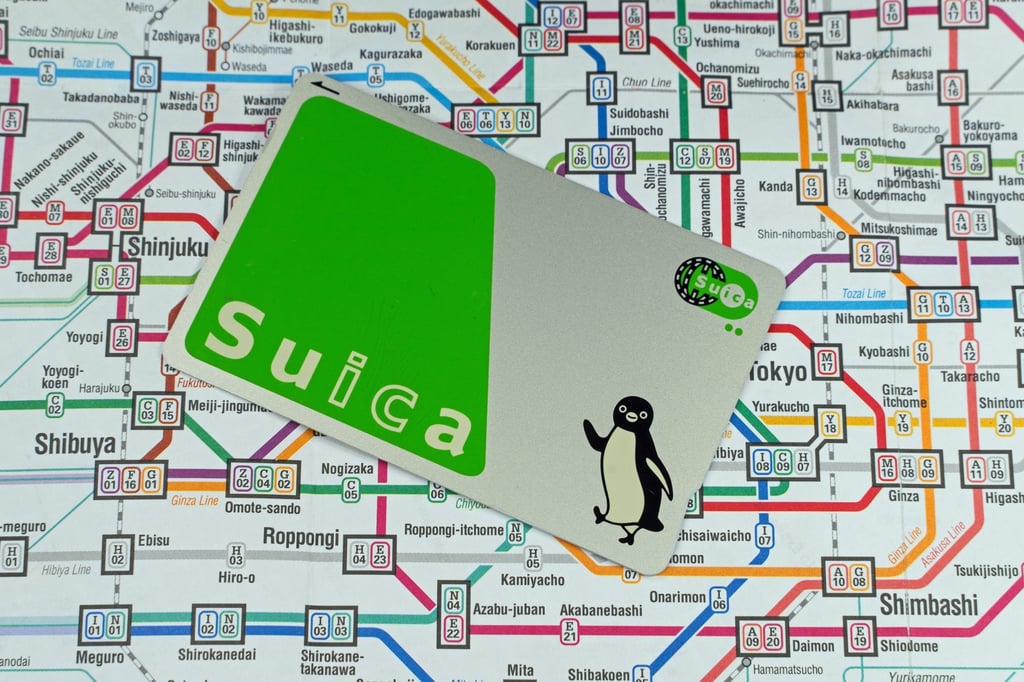
The company revealed it has issued over 110 million such cards over the years, suggesting that nearly everyone in Tokyo has encountered this beloved penguin.
Locally, residents often refer to this card as the “watermelon card” because Suica sounds similar to the word for the fruit in Japanese.
Initially designed for train boarding, the card later evolved to include tapping functionality for payments at convenience stores.
As a result, the Suica Penguin has become the most recognisable cartoon image among tourists visiting Japan, thanks to the card’s extensive use.