China pandas rise from unknown status to become palace pets, then national symbols, treasures
Iconic bear with the ‘might of a divine beast’ goes from relative obscurity to world of international diplomacy over many centuries

Once a neglected figure in ancient China’s folklore, literature and artefacts, the panda has become a national treasure and a defining symbol of the modern nation.
How did this black-and-white creature, long overlooked, come to occupy such an iconic place in a country’s cultural imagination?
Palaeontologists have discovered panda fossils across China, some dating back eight to nine million years.
According to early human scholar Wei Guangbiao, many of these ancient specimens show butchery marks, suggesting that prehistoric communities already ate pandas.
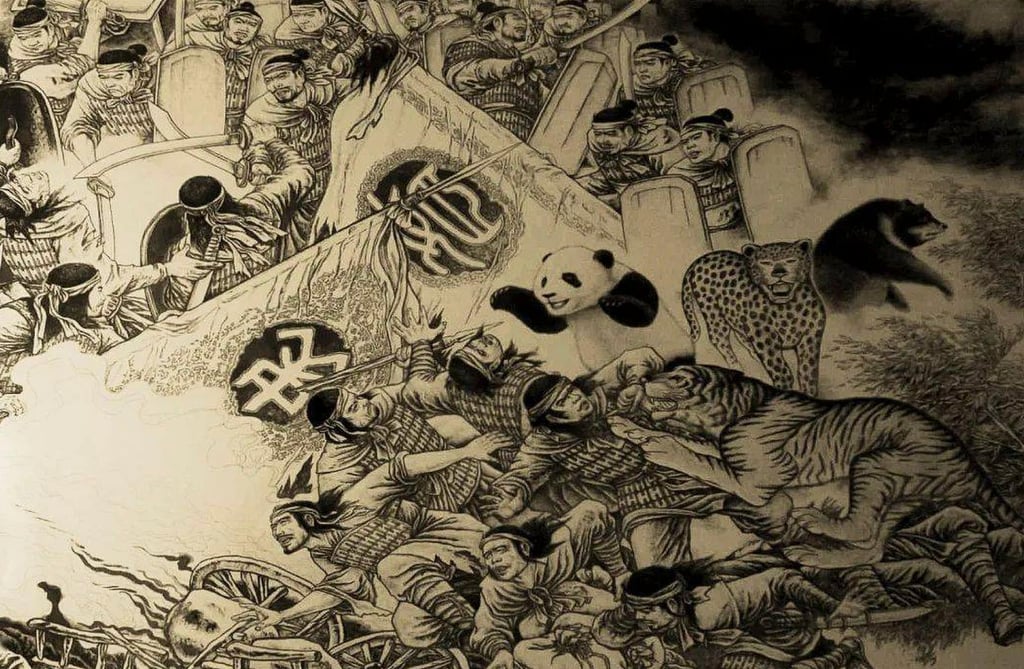
The earliest written records of ancient pandas in China appear in the Book of Documents from the pre-Qin period (Paleolithic Period – 221 BC), which describes the animal as “as large as a tiger, with the might of a divine beast.”
By the Three Kingdoms era (220–280), pandas were known as bai pi, or “white bears,” and regarded as ordinary prey.
Folklore even imagined that they could survive by eating iron, earning them the nickname “iron-eating beast.”