Mystery solved: scientists trace source of Stonehenge boulders
- Most of famous circle’s giant stones – known as sarsens – appear to have come from area 25km (16 miles) away that teemed with prehistoric activity
- Finding boosts theory that megaliths were moved at about the same time, a sign that builders were from a highly organised society

Stonehenge, a Neolithic wonder in southern England, has vexed historians and archaeologists for centuries with its many mysteries: How was it built? What purpose did it serve? Where did its towering sandstone boulders come from?
That last question may finally have an answer after a study published on Wednesday found that most of the giant stones – known as sarsens – seem to share a common origin 25km (16 miles) away in West Woods, an area that teemed with prehistoric activity.
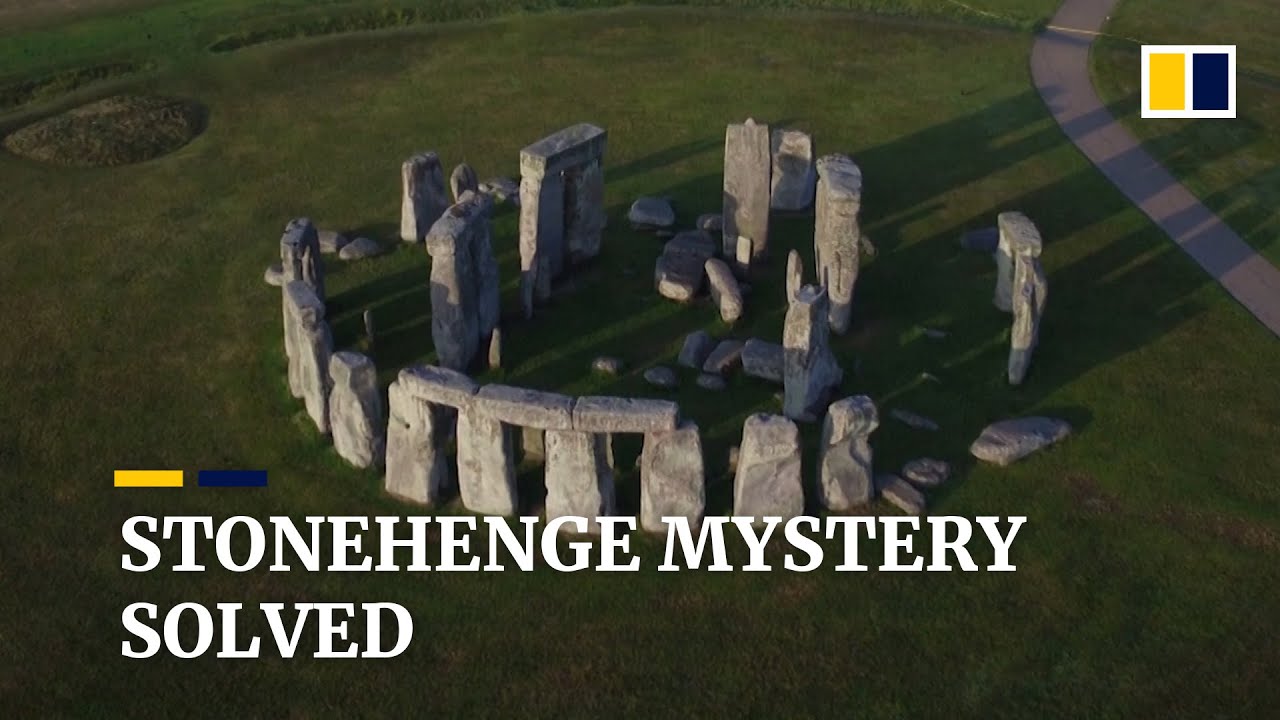
02:11
Mystery solved: scientists trace source of Stonehenge boulders
The finding boosts the theory that the megaliths were brought to Stonehenge about the same time: around 2,500 BCE, the monument’s second phase of construction, which in turn could be a sign its builders were from a highly organised society.
It also contradicts a previous suggestion that one large sarsen, the Heel Stone, came from the immediate vicinity of the site and was erected before the others.

The new paper appeared in the journal Science Advances.
Lead author David Nash, a professor of physical geography at the University of Brighton, said he and his team had to devise a novel technique to analyse the sarsens, that stand up to nine metres tall (30 feet) and weigh as much as 30 tonnes.