4,000-year-old ‘Dutch Stonehenge’ site unveiled in the Netherlands
- The open-air sanctuary includes a large burial mound serving as a solar calendar, with several passages through which the sun shone on certain days of the year
- Archaeologists say people used it to determine important moments including festival and harvest days

Dutch archaeologists on Wednesday revealed an around 4,000-year-old religious site – dubbed the “Stonehenge of the Netherlands” in the country’s media – which included a burial mound serving as a solar calendar.
The burial mound, which contained the remains of some 60 men, women and children had several passages through which the sun directly shone on the longest and shortest days of the year.
“What a spectacular archaeological discovery! Archaeologists have found a 4,000-year-old religious sanctuary on an industrial site,” the town of Tiel said on its Facebook page.
“This is the first time a site like this has been discovered in the Netherlands,” it added in a statement.
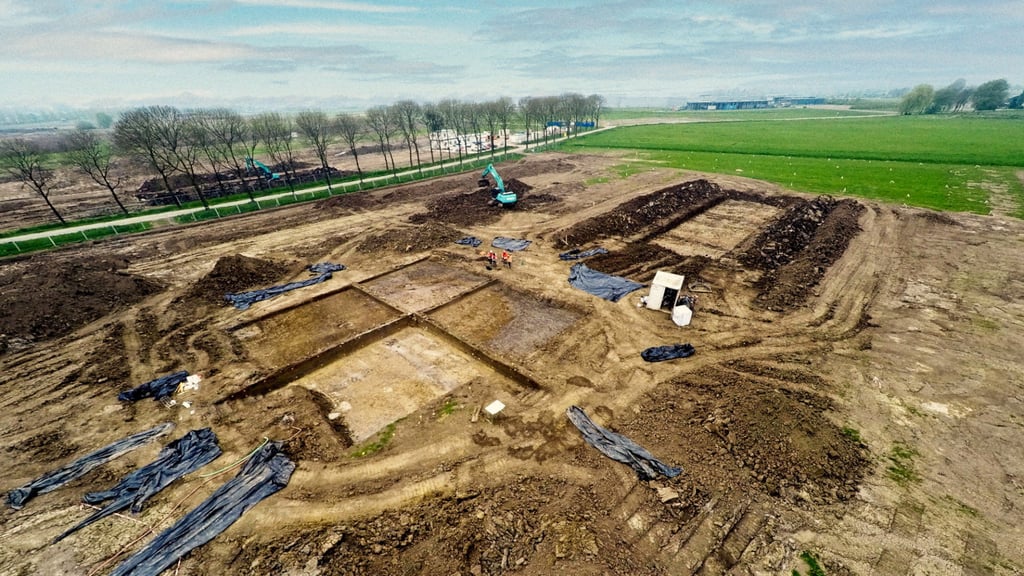
Diggings around the so-called “open-air sanctuary” started in 2017 in the small village about 50km (31 miles) southeast of Utrecht, with the results made public on Wednesday.
Studying a difference in clay composition and colour, the scientists located three burial mounds on the excavations, a few kilometres from the banks of the Waal river.