
China’s role in the Iran-US ceasefire reflects its strategic distance
In taking a back seat in de-escalation efforts with Pakistan, China is decoupling its influence from responsibility

Despite reiterating its position with another partner, China has not changed its strategy and language since the war began on February 28. Choosing Pakistan to co-brand Beijing’s diplomacy is indicative of the messages China wants to send to its economic and political partners involved in the conflict and how it chooses to exercise influence.
Having Pakistan as the visible face of the mediation has paid off in ways that a unilateral Chinese effort would not have, as it signals simultaneous proximity to both sides of the conflict without the diplomatic exposure of direct involvement. Pakistan’s position in this conflict is unique. Islamabad serves as a backchannel between Beijing and Tehran at a moment when direct Chinese engagement with Iran would carry political costs Beijing is unwilling to absorb.
Through a joint effort with Islamabad, Beijing is able to borrow these credentials. The April 7 ceasefire, branded as Pakistan’s two-week proposal, allowed China’s reported leverage on Iran to be exercised without it becoming the political story. Pakistan is seen by the GCC as a security interlocutor and by Iran as a political channel, allowing Beijing to apply pressure on its political ally in Tehran and signal concern to its economic partners in the Persian Gulf through a single vehicle.
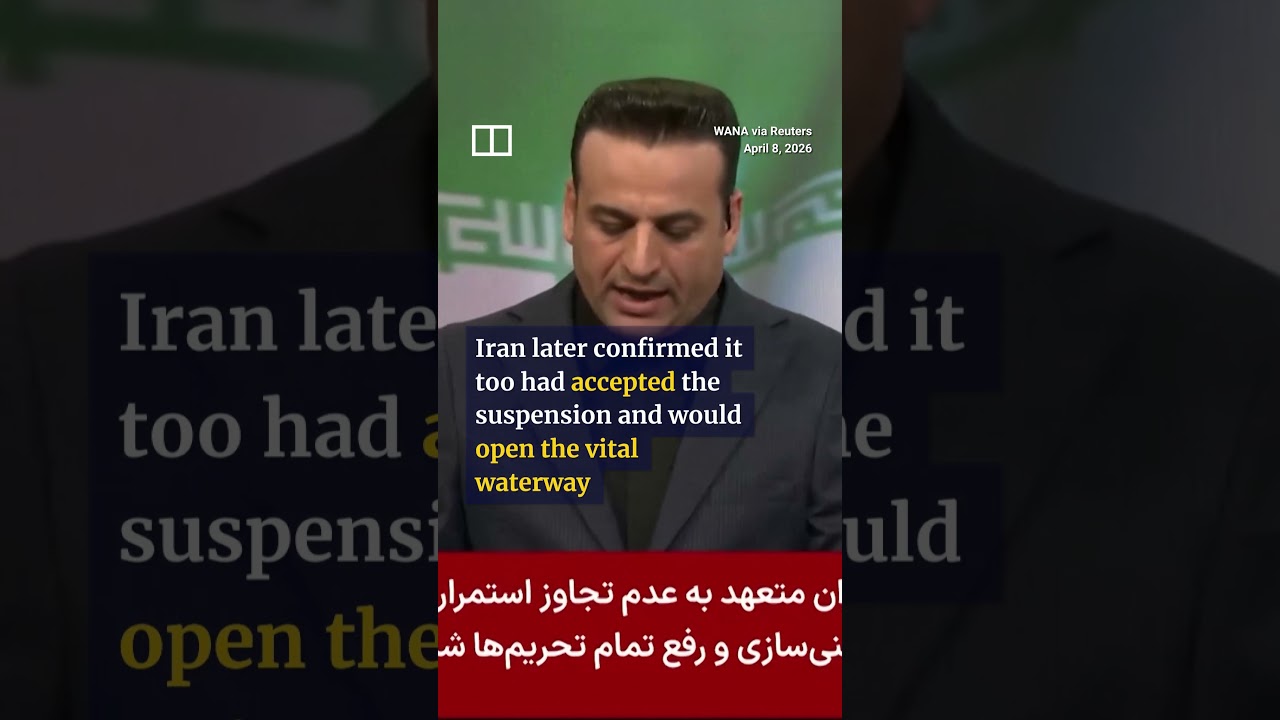
01:31
US and Iran agree to 2-week ceasefire amid Pakistani mediation efforts