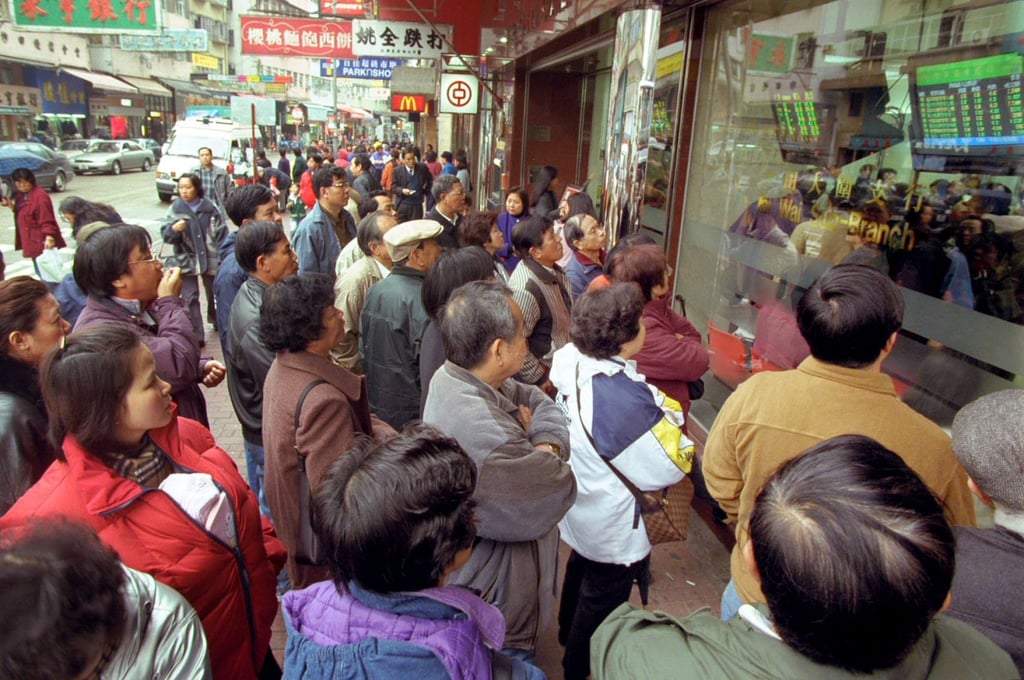
Macroscope | Economies are left looking for safety as animal spirits run wild
The world is crying out for systemic reforms to markets that heap investment in fashionable sectors instead of where it is needed the most

The time has come to cease speculating over whether we are due for another stock market crash – it’s almost certain that we are. Instead, we should give serious thought to the need for fundamental change in the way savings are collected and invested in crash-prone market economies.
Where does safety lie? The answer to this excellent question is that the only way to avoid another systemic financial crisis – in equity markets especially – is through systemic reforms.
Their apparent reluctance to face reality and acknowledge that the bull market in stocks is unsustainable could be ascribed to a dawning realisation among asset managers that reform could involve removing them from the process of turning savings into investment. After all, why would the industry contribute to its own destruction?
The global asset management industry reached a record size of US$128 trillion in assets under management in 2024, according to Boston Consulting Group. This represents a 12 per cent increase from the previous year.
How imminent is the risk of another major stock market crash, rather than a mere correction? It is a matter of concentration of risk more than anything else. As Reuters’ Jamie McGeever wrote in a commentary this week, “Wall Street’s concentration in the red-hot tech sector is, by some measures, greater than it has ever been, eclipsing levels hit during the 1990s dotcom bubble”.