Technology’s steady advance has, for the most part, transformed daily life for the better. In particular, near-instantaneous communication from one corner of the world to another – whether by email or text, voice or video message – is now taken for granted.
Once a practical way to send a brief message to the other side of the world, picture postcards these days are little more than collectors’ items. For more time-sensitive communications, there were telegrams, which did the job swiftly and efficiently for over a century. Along with personal letters, aerogrammes are another legacy of earlier times. How many people aged under 50 even remember these flimsy, folded brief missives? For anyone under 30, the mere idea of sending or receiving a handwritten message by physical means seems as archaic as analogue telephones or black-and-white television. Nevertheless, these modes of communication offer a glimpse into the lives of those only marginally older.
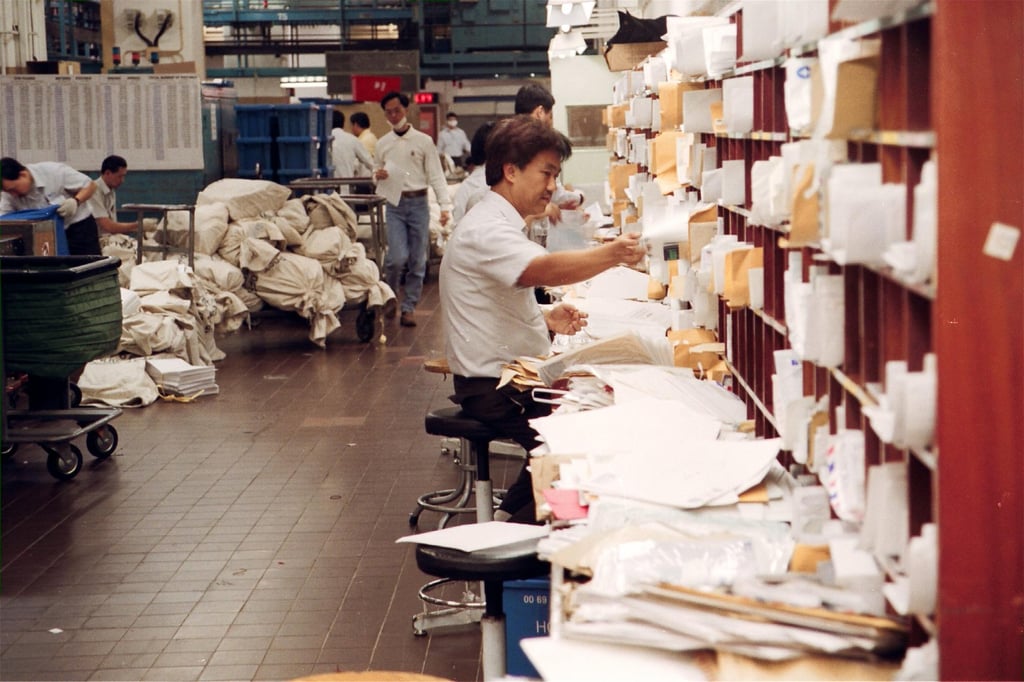
Poste restante was an integral travel memory for globetrotters of yore. Photo: SCMP
But how were these physical mail items received when their intended recipient was travelling from one country to another for several months, or otherwise found themselves away from a permanent mail delivery address for extended periods? Poste restante services across the world were the usual means of mail collection, and the term itself – “waiting mail” in French – remains an integral travel memory for all pre-digital-era globetrotters. In the days before poste restante – and long before the 20th century advent of mass travel – personal mail required a specific address for delivery. In some locations, an embassy or consulate may have acted as a postbox (of sorts) for nationals passing through.
Advertisement
Poste restante came about through the Universal Postal Union, established in 1874 by the Treaty of Bern, and eventually incorporated into the United Nations in 1948. This early international agreement, which now includes 192 countries and territories, ensured that postage rates and delivery charges were universally accepted by all signatories. Provision was also made for worldwide “general delivery” services, the beginning of poste restante services. Still in widespread global use, post restante is known in the United States as General Delivery. Mail items destined for collection there are typically marked accordingly, to avoid any confusion.
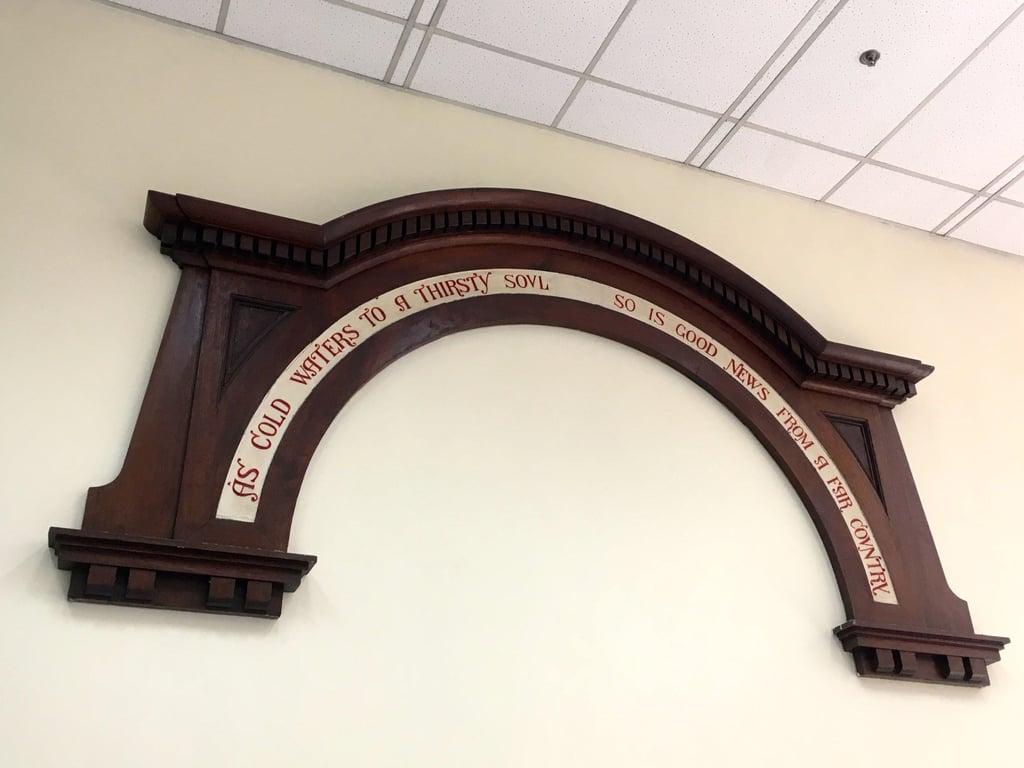
The arch at the GPO inscribed with a quotation from the Book of Proverbs. Photo: Adam Nebbs
In Hong Kong, these services are available only at the General Post Office in Central. Letters must be clearly marked with the full name of the intended recipient, and photographic identification, such as a passport, is typically required for mail collection. In most places, mail is held for around a month after receipt, and unclaimed items are typically returned without charge if a forwarding address is marked on the back of the envelope.