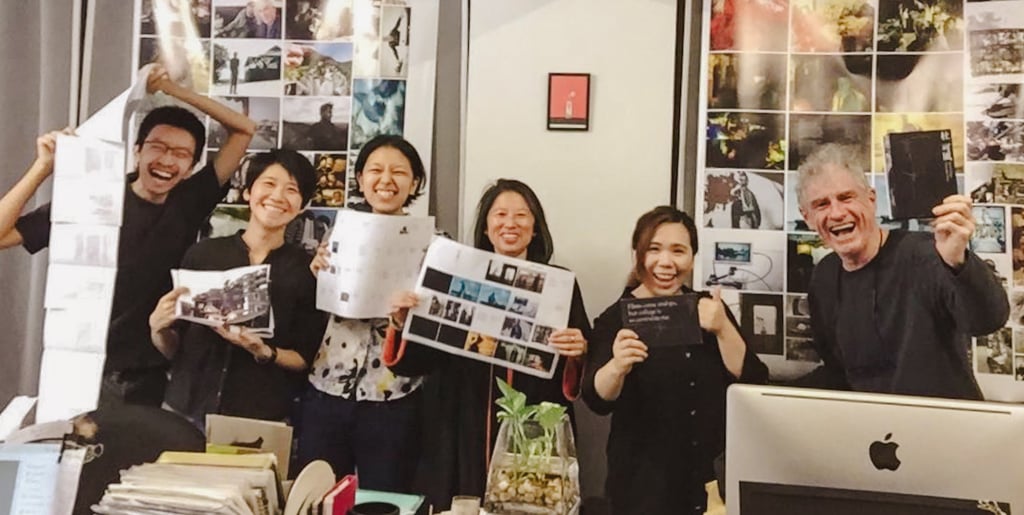
What tailoring and book publishing have in common
Hong Kong art book publisher Mary Chan on her decades-long publishing journey, from journalism and art, to advertising and books

I’M FROM A VERY humble family. My mother was a tailor, but what she did was more like the work of a designer. In addition to measurements, she had a good sense for numbers. She was basically a one-woman home factory. But at that time, in the 1960s, there wasn’t the concept of a designer.
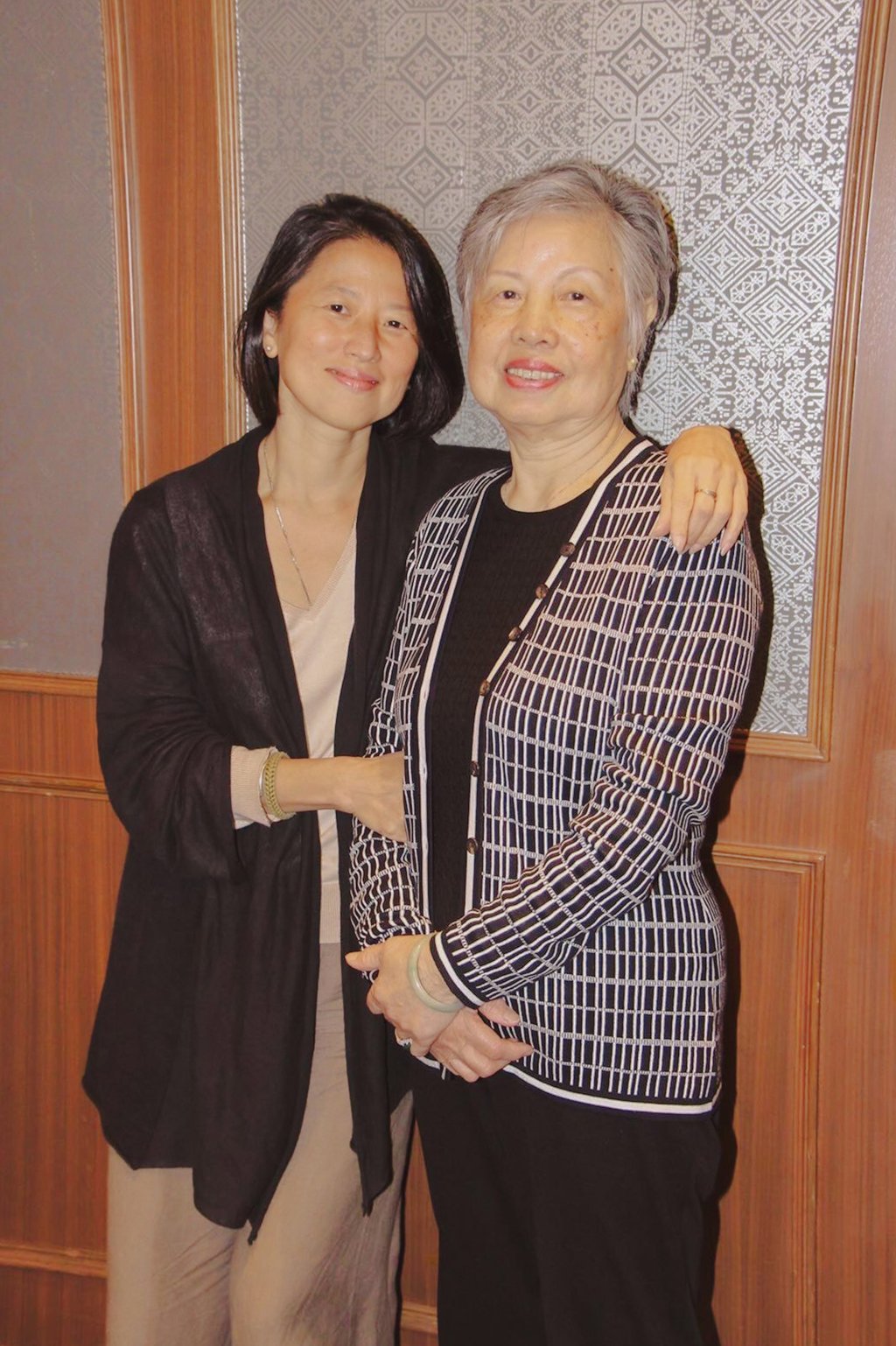
OUR HOUSE HAD several sewing machines and a huge table. My mum would use it to cut fabric, and we always had a lot. My father and I would help make exact measurements. We had six brothers and sisters all helping. My father was supposed to be responsible for accounting but he just wrote numbers down according to what Mum said. At one time, Mum had a lot of customers and referrals. Everyone liked her work. Companies came looking for her to do uniforms. There were a lot of exports to the United States; she did a lot of prototypes for middlemen who would take them to overseas clients. Once the orders came, Mum would recruit maybe four or five aunties and work on them. We helped with trimming hems, etc. The focus on detail was much like running a book publishing company. I realised I had an eye for detail, proportion, levelling, perspective.
I LIKED ARTS EVEN at school but, in those days, we didn’t have art lessons. They just had home economics but I’m not into cooking. The closest thing to the arts was literature, specifically English literature, which I studied at Shue Yan University, a private college (in North Point). I did the equivalent of a degree. I was really interested in Shakespeare; it was mind-opening. A Midsummer Night’s Dream is my favourite play. It’s so whimsical. To me, it was an escape from the routine of working for a living. My mother worked almost 18 hours a day.
I NEVER WORRIED about not making a living with a literature degree. I’ve known how to survive since I was young. When I was 15, I would post on supermarket community boards offering tutorial lessons. During the summer holidays, I went to factories near my Western District home and asked if they needed help.
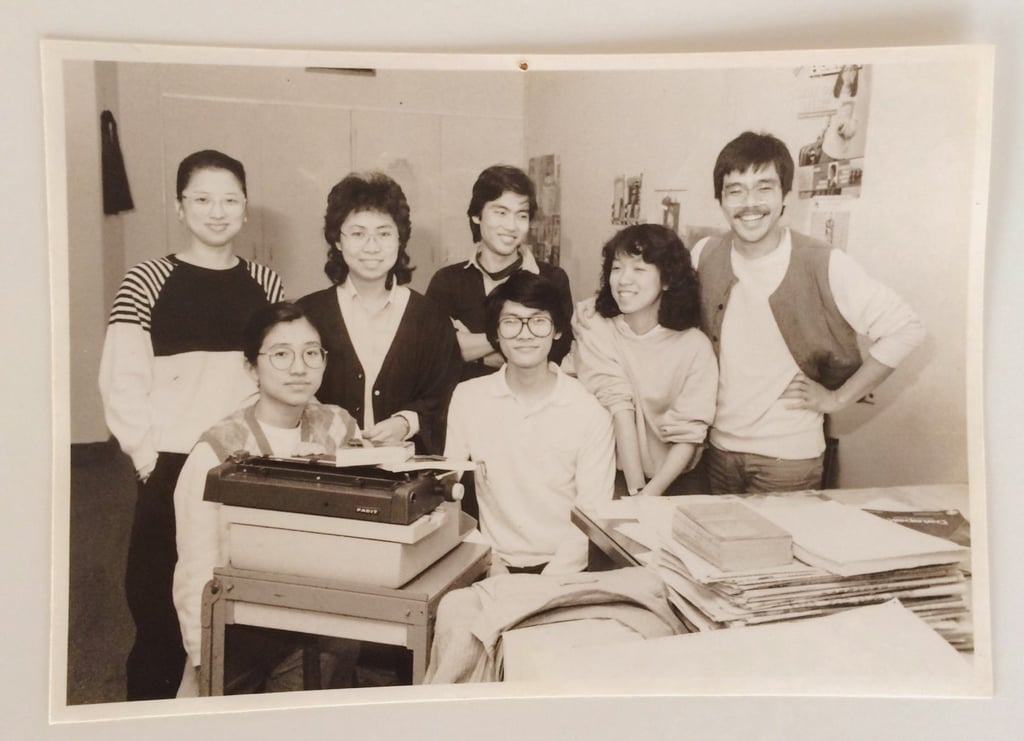
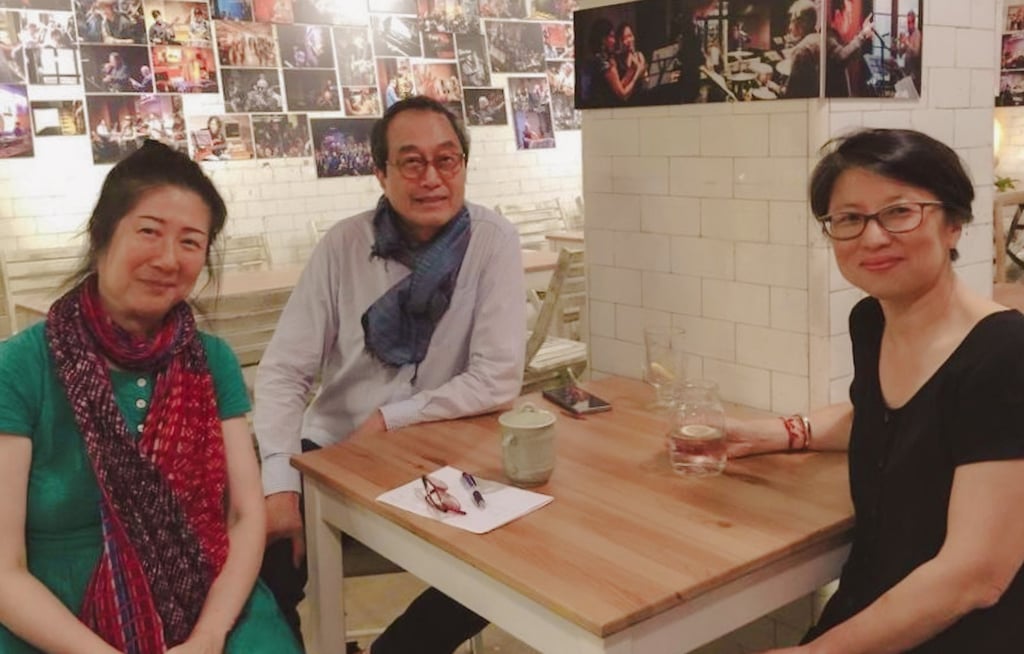
I ENTERED ANOTHER stage of my career around 1990, when somebody pulled me into advertising. I became an account manager at Saatchi & Saatchi. In advertising, the goal is to not repeat what others have done, so it’s not that different from the arts sector. Later, I joined J Walter Thompson in China and worked in Beijing. A lot of people thought, “Oh, that must be a hardship.” I said, “No, I actually enjoy it and working with Chinese locals.” Unlike in Hong Kong, everyone in Beijing was very open. We talked and discussed things openly. In a way it was more intellectual.