Meet the people keeping an original Hong Kong cuisine alive
After the Tanka people swapped life on sea for life on land, their culinary heritage could have disappeared – if not for the determination of a resilient few

In the mid-20th century, rows of tightly moored houseboats floated in the marinas of Aberdeen, Shau Kei Wan and Tai O, forming floating cities where entire generations grew up on the water. At their peak, thousands of Tanka boats inhabited the waters of Hong Kong, families spending much of their lives on their boats, with up to 10 children and adults sleeping side by side on the floor at night.
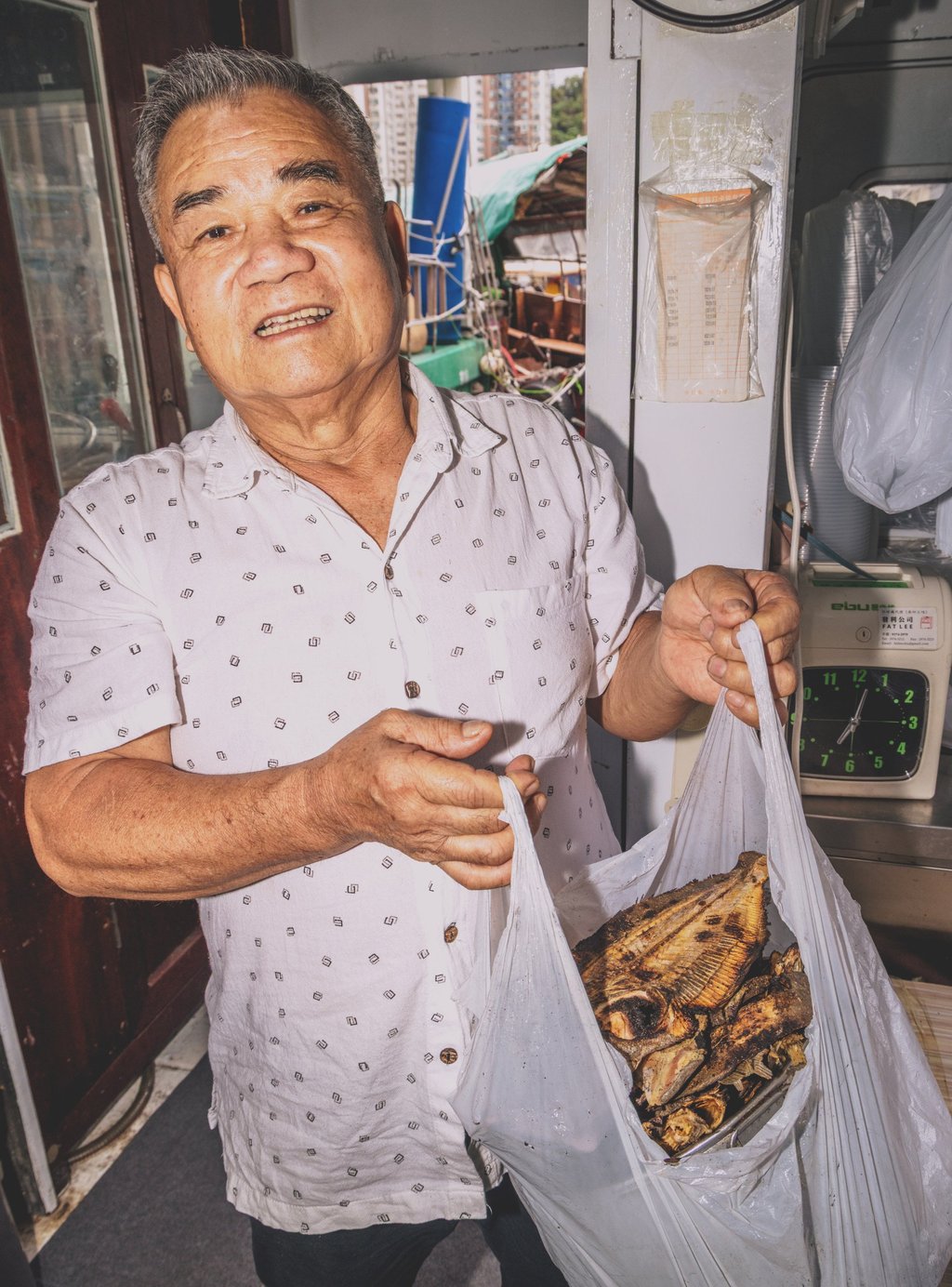
Believed by some academics to be descended from the Baiyue, an ethnically distinct group native to southern China, the Tanka were assimilated into the dominant Han culture over many centuries, though they remained societal outcasts for much of their history, being forbidden from intermixing and, as such, sought refuge on the sea, building close-knit communities in the harbours of Hong Kong.
In decades past, “each family would buy 10 to 20 bowls from me at a time”, says Lam. “I would be sold out after visiting three boats.” Today, instead of Tanka families, Lam feeds yacht crews and workers in the marina, along with tourists eager to experience this slice of Hong Kong culture.
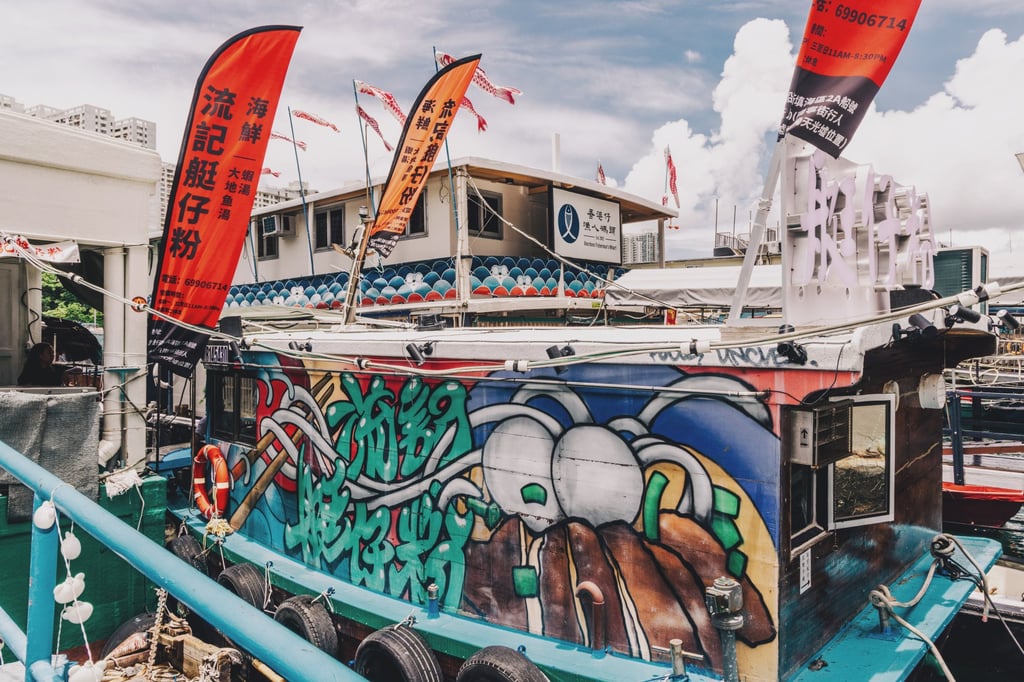
Alas, post-handover regulations forced his barbecue operation ashore to a wooden shack along the water, and as rules tightened further, he began to source the goods from a vendor close by, serving up to 350 bowls on the weekend.