Advertisement
How your child’s obsession with Labubu and Buldak ramen could make you rich
From the latest TikTok craze to the make-up your Gen Alpha child is into, the hottest new investment prospect may be right under your nose
3-MIN READ3-MIN
Listen

Next time your teenagers have a craving for the ultra-spicy Buldak ramen or the fierce-looking Labubu toy, don’t scratch your head and question their taste. Rather, consider yourself lucky, because they are helping you spot the next billion-dollar brand before it gets on global investors’ radar.
With birth rates falling around the world, Generation Alpha, roughly born between 2010 and 2024, will have the largest economic footprint in our lifetime. An estimated US$5.3 trillion has already been spent on them, and by 2030, some will be joining the labour force and earning.

What’s different with this cohort – as opposed to Gen Z, which is into self-care and “little treats” – is that they have their parents’ ear. Over 90 per cent of the American mums and dads surveyed say their children are great at finding new products, according to public relations firm DKC. In addition, participants say 42 per cent of all household spending is impacted by their children’s options.
These parents, often millennials, have seen some tough times. In the United States, the American dream is once again elusive: soaring home prices are deterring first-time buyers and a cost of living crisis is weighing on household budgets. In China, where ageism is a huge issue, the outlook is even worse. As tech companies downsize, mid-career professionals – particularly those over 35 – are hit the hardest. It’s thus no surprise that millennials are happy to get inputs from their technology and social media-savvy children.
This dynamic puts influencer-promoted brands into play. For instance, even though Labubu’s Google search and social media trends seem to have peaked in July, its manufacturer Pop Mart International Group’s shares continue to test record highs. This is because its clientele has shifted from young adults to well-to-do working mums who like to dangle Labubu keychains on their oversized “Big A** Bag”, a trendy look this year. Once this toy goes mainstream, investors can get more imaginative with profit growth. Trading at a whopping 40 times 2025 estimated earnings, Pop Mart boasts a higher market cap than Sanrio and Mattel, the owners of Hello Kitty and Barbie, combined.
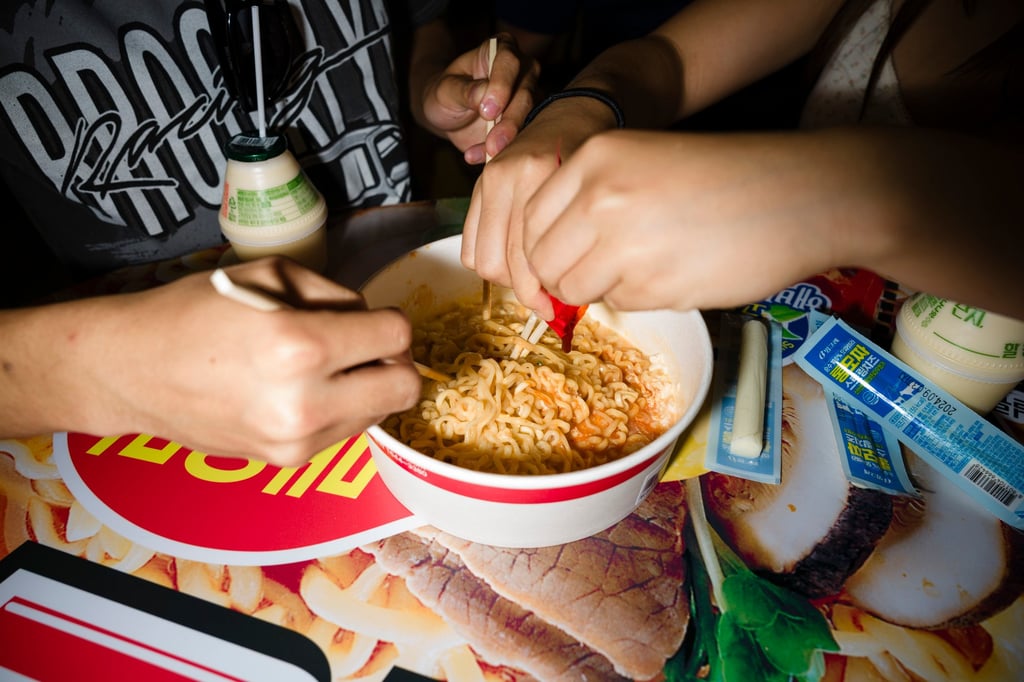
Once Gen Alpha gets involved, monetisation speeds up. Samyang Foods, whose ridiculously spicy instant noodles have captivated young Americans with “Buldak Challenge” videos, had a 34 per cent jump in first-half net profit on strong overseas sales. Its shares have risen 82 per cent this year, with investors betting on the company’s resilience to President Donald Trump’s tariffs.
Advertisement
Select Voice
Select Speed
1.00x