Advertisement
PostMag
Life.Culture.Discovery.
Hong Kong
PostMagCulture

Songs that sleigh: how Cantopop created Hong Kong’s own Christmas soundtrack

Joyful and jubilant, melancholic and mournful … the marriage of Cantopop and Christmas has resulted in a unique musical genre with a very Hong Kong vibe

Reading Time:3 minutes
Why you can trust SCMP
A still from the video of Mirror’s “12”, which was released in 2021. Photo: handout
Salomé Grouard
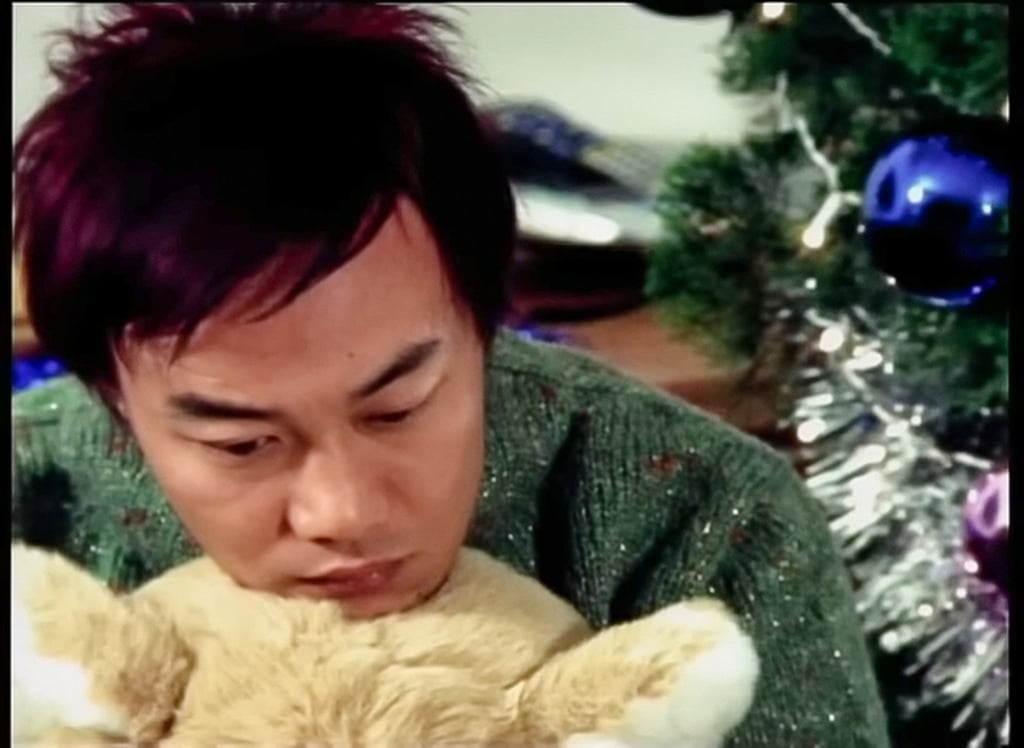
It began as an embrace of seasonal sadness, a song giving voice to a Christmas heartbreak. But for award-winning producer Terry Chan Ming-do, the enduring popularity of “Lonely Christmas”, the song he produced and arranged for Eason Chan Yick-shun 23 years ago, remains a delightful mystery. “To us, at the time, it was a very tongue-in-cheek song,” says Chan. “We didn’t expect it to come up every single Christmas after that.”
A scene in the video for Eason Chan’s “Lonely Christmas”, released in 2002. Photo: handout

“Lonely Christmas” isn’t your traditional festive song; it’s an anthem of romantic despair at Christmas. And it’s the perfect seasonal soundtrack for Hong Kong, a city where the holiday is less about family gatherings around a tree than it is a social time defined by bustling bars and romantic date nights. Against this backdrop, Cantopop Christmas songs such as Chan’s classic have found a lasting home.

Dr Wong Chi-chung, a veteran DJ, music journalist and lecturer at the Hong Kong Design Institute, isn’t surprised by the marriage of Cantopop and Christmas music. “Yes, traditional Christmas songs are about the birth of Jesus, but to a wider spectrum they carry themes of gratitude, peace, love, nostalgia and reunion with loved ones,” he says. “Just like Cantopop.”

Dr Wong Chi-chung in the Hong Kong Design Institute’s V Music Library. The DJ, artist, educator and curator says Cantopop is seeing “a magical revival”. Photo: Jocelyn Tam

Originally, according to Wong, these ballads’ themes resonated with Hong Kong’s “astronaut families” as they reunited for the holidays. While the classic “astronaut family” of the 1980s and 90s, with a father working abroad, was a migration strategy, the pattern persists in a new form. Today, with many young Hongkongers studying or building lives overseas, the Christmas reunion remains precious.

Advertisement

“The communal and soothing aspects of both Christmas music and Cantopop help people connect, heal and celebrate, especially during times of transition or uncertainty,” says Wong.
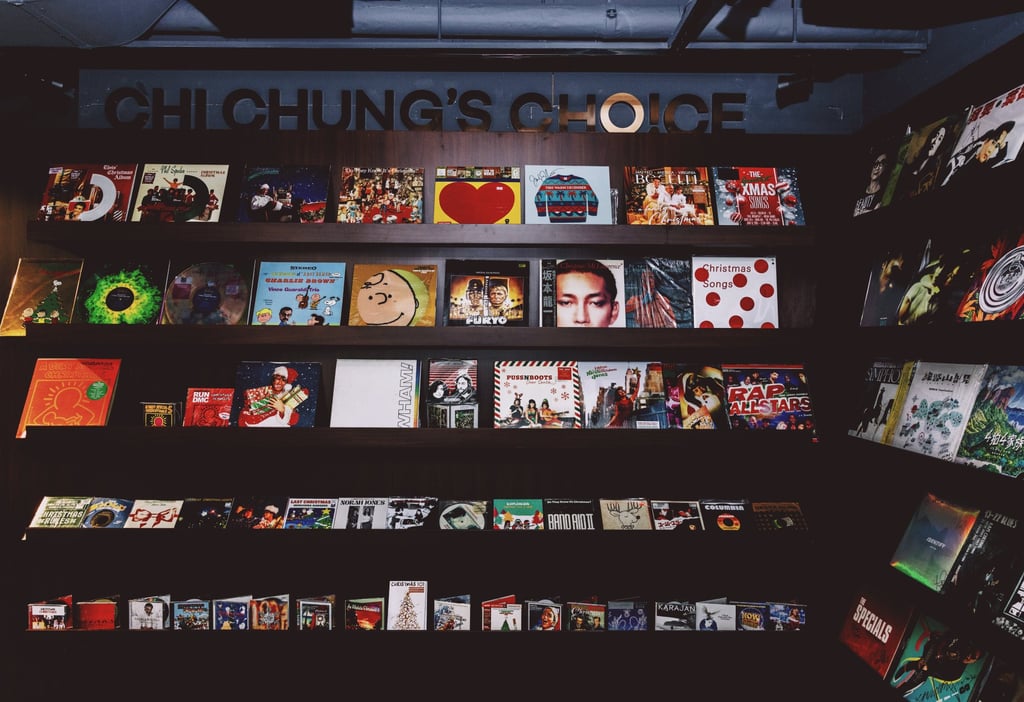
Dr Wong Chi-chung curates the record collection in the Hong Kong Design Institute’s V Music Library. Photo: Jocelyn Tam
Historically, carols have often given voice to collective anxiety, from the World War II-era longing of “I’ll Be Home for Christmas” to “Do You Hear What I Hear?”, which was inspired by the 1962 Cuban missile crisis. Wong sees an echo of similar anxieties in Cantopop and identifies distinct waves of Cantopop Christmas music following both the 1997 handover and the Covid-19 pandemic, periods when music provided unity and hopeful solace.
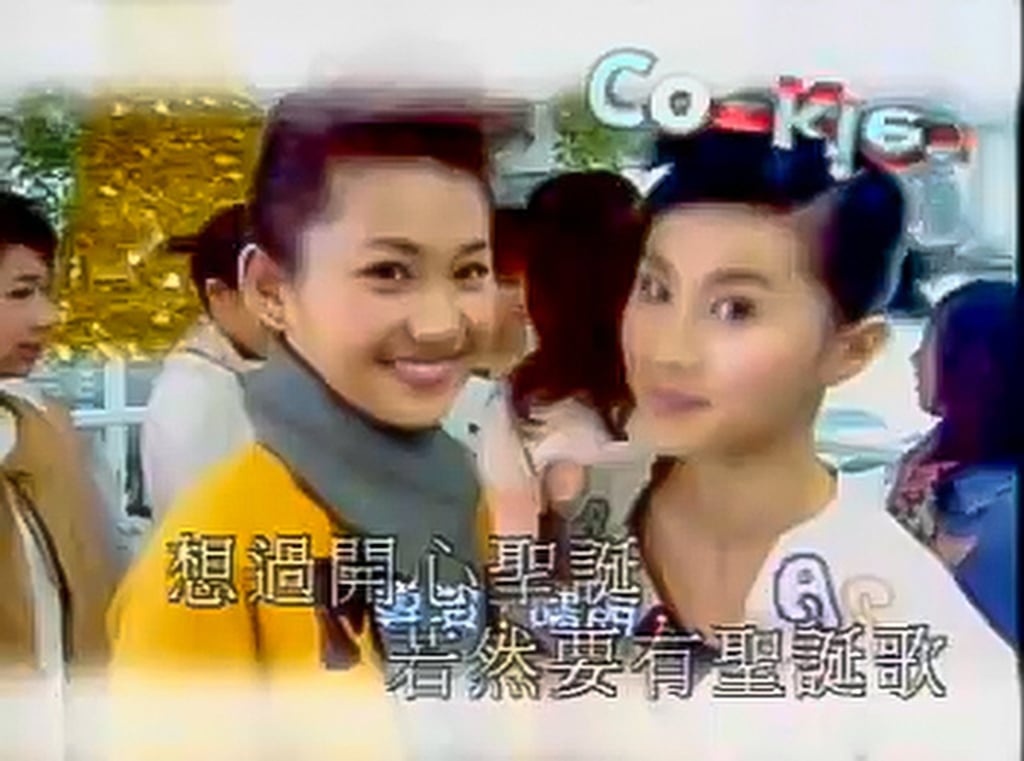
A still from the video of girl band Cookies’ “Merry Christmas”, released in 2002. Photo: handout
Advertisement
Select Voice
Choose your listening speed
Get through articles 2x faster
1.25x
250 WPM
Slow
Average
Fast
1.25x