Darwin Chen, doyen of Hong Kong culture, talks turning misery into purpose
Having blazed a trail in government and across the NGO spectrum, the City Hall stalwart reflects on a remarkable life stewarding Hong Kong’s artistic scene

I WAS BORN in Shanghai in 1932 and lived there until after the (second world/Sino-Japanese) war. I lived with my family in both the British and French Concessions and then under Japanese military occupation; that was a tough time. I remember military action in the concession. Rice was very hard to get and a lot of people starved. In the winter, walking to school, I remember seeing corpses on the streets. I understand what misery is. We got rice, we were lucky, but it had a lot of maggots in it.
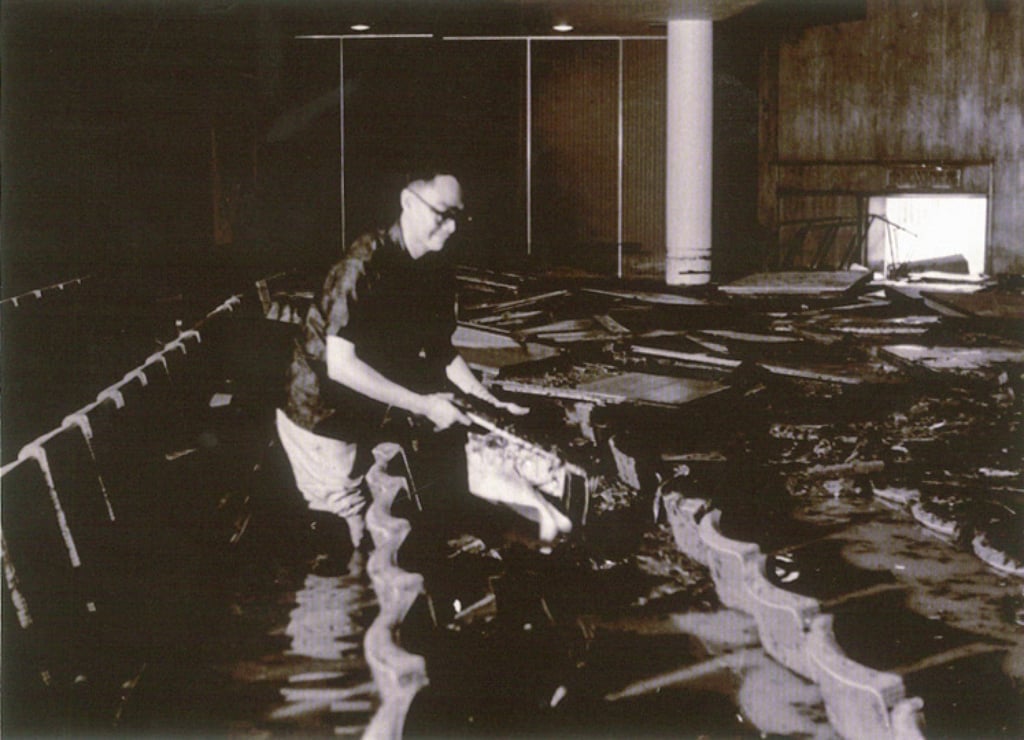
I COME FROM an intellectual family. My mother was a teacher, my father a lawyer; they were Cantonese but we spoke the Shanghai dialect at home. I had one brother, who was a year older. After the war, we came by ship to Hong Kong, in 1947.
I WAS 15 YEARS OLD and went to the Diocesan Boys’ School. I had to learn both Cantonese and English. I enjoyed studying. We engaged a native English tutor to learn more English and we lived on Boundary Street near the school. We did quite well at school and, after a year, we were both getting top marks. Then it was time to go to university – we couldn’t afford Hong Kong so we returned to Shanghai in 1949 and got admitted to Fudan University. But then the Chinese civil war got to Shanghai and the Communists were about to cross the Yangtze River, so our parents decided that we should rejoin them.
BACK IN HONG KONG, in 1950, I went to work for the South China Morning Post as a cub reporter. I covered the Korean war and sometimes would interview ship captains who got into China (despite the embargo). I had an English colleague at the SCMP who also worked at Radio Rediffusion as a newsreader. He heard that Rediffusion was looking for a reporter/editor, who could speak both English and Chinese, because, in those days, they did not have a big staff. So, I went to work at Rediffusion in 1951 as a bilingual editor. That’s where I met my future wife, Flora. She was assistant to the general manager. By the time we got married, in 1954, I was working for the Hong Kong Standard, but I decided being a reporter was not suitable for married life because of the working hours. So, I applied to Northcote Training College (Hong Kong’s first full-time teacher-training college, later absorbed into the Education University of Hong Kong).
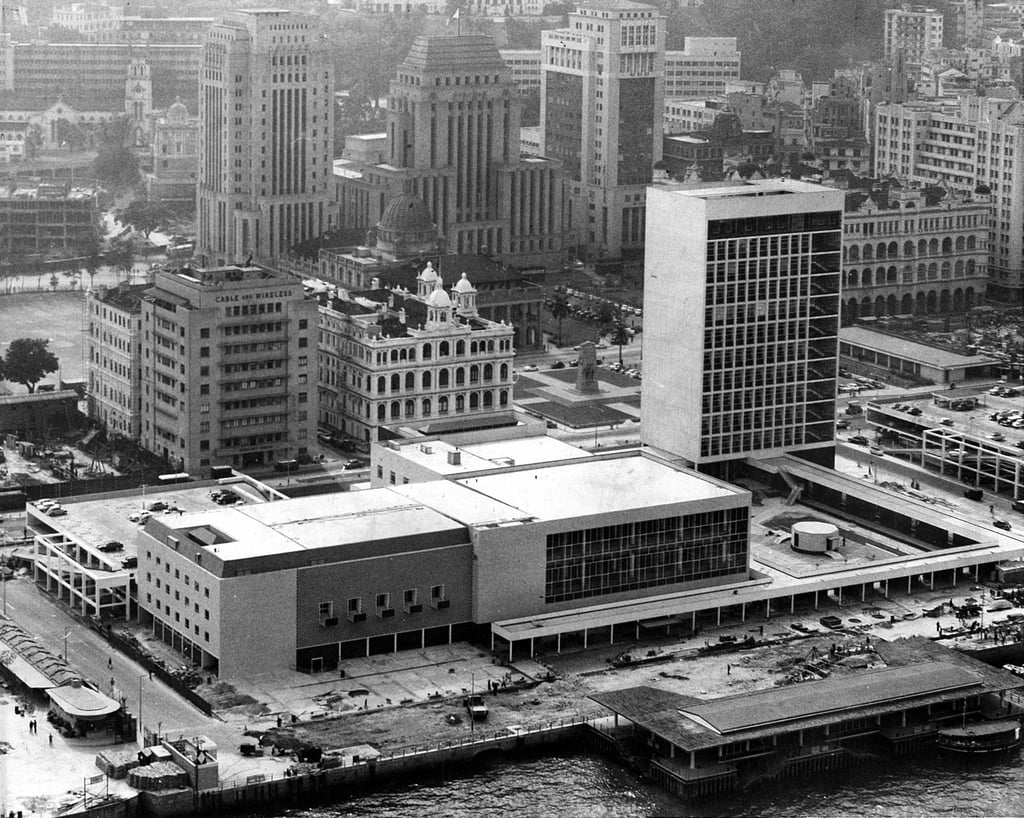
WE WEREN’T CHRISTIANS back then. I was assigned as a teacher to Queen’s College in Causeway Bay, then I switched to La Salle Primary School, which was a half-day school, as that would give me more time to study for a degree. I enrolled at the University of London for what was called an external degree in modern Chinese studies – literature, philosophy, history, all Chinese. I sat the exam in 1960, and I remember that day very well. We had a typhoon No 10. I was living in Kowloon and the exam was held on Hong Kong Island but there were no ferries because of the storm. We were all waiting at Tsim Sha Tsui for the typhoon to be over so we could catch the first ferry to Hong Kong to take the exam at St Joseph’s College. I finished my degree and got first-class honours and looked at the civil service vacancies, which were advertised in the SCMP every Saturday. There was a vacancy for an assistant manager at City Hall. So, I applied and was selected. I became a cultural administrator in 1961. City Hall would open the following year, and I was recruited to prepare for the launch. It was useful that I had a good knowledge of music. At Diocesan Boys’ School, we had received a very good education in classical music because the then-headmaster, Gerald Goodban, was the principal cello of the Sino-British Orchestra (which would later become the Hong Kong Philharmonic Orchestra).
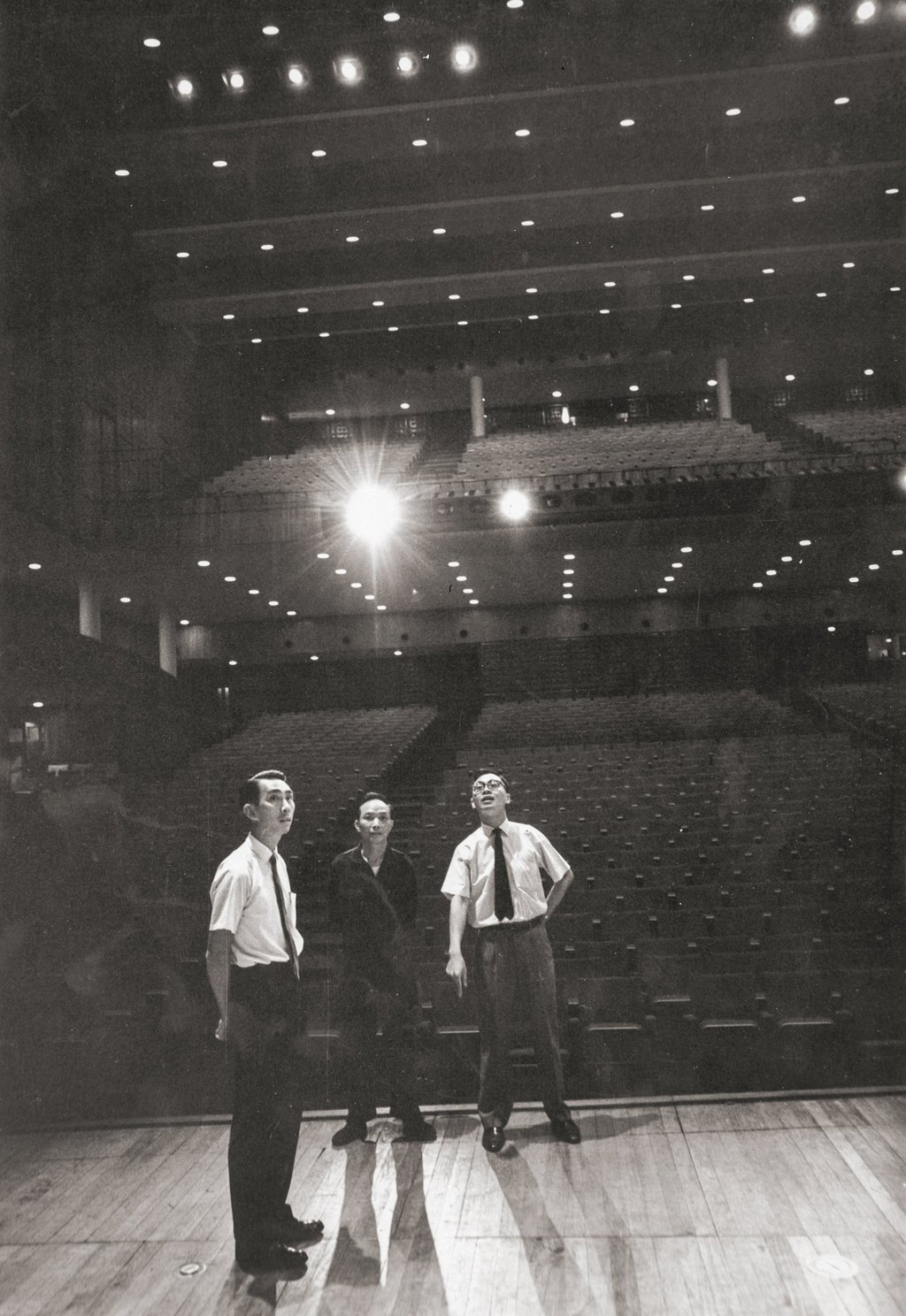
FOR THE OPENING, in March 1962, we engaged the London Philharmonic Orchestra, with Malcolm Sargent as the conductor, for a whole week, five concerts, five programmes. European artists who went to Japan would pass through Hong Kong, so we had plenty of performers. All of those concerts were presented by commercial impresarios, including Harry Odell. Harry and I were good friends. He was a good businessman but didn’t know much about music. The audience comprised mostly adults and not many young people, because the tickets were quite expensive. I decided to present programmes for younger people at prices they could afford. We organised popular concerts on Sunday afternoons for HK$1. Nowadays, that would be about HK$30.
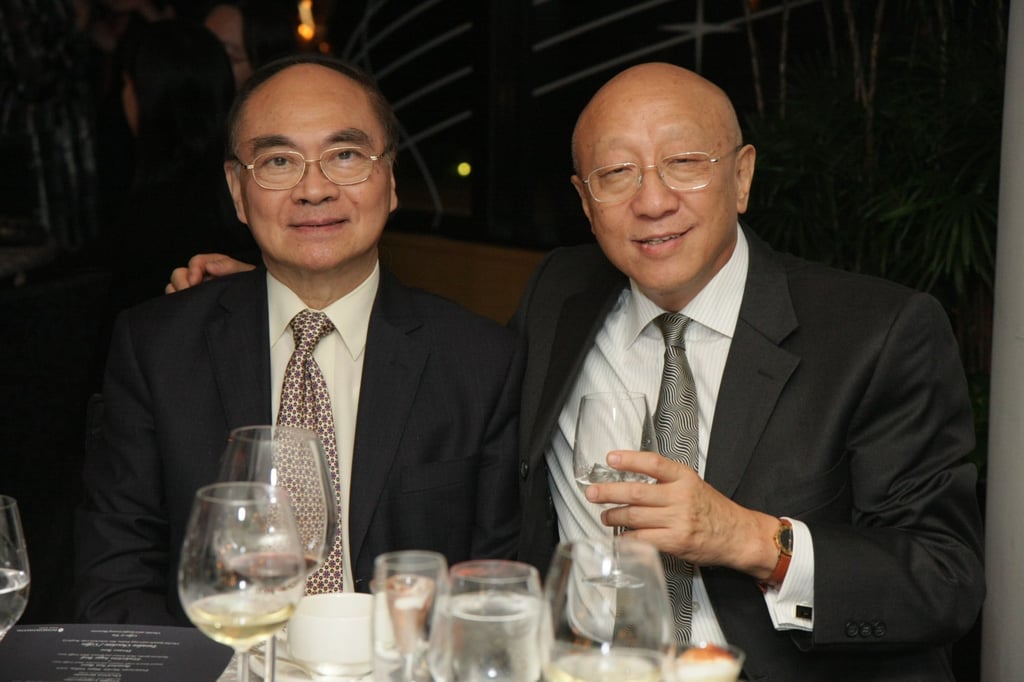
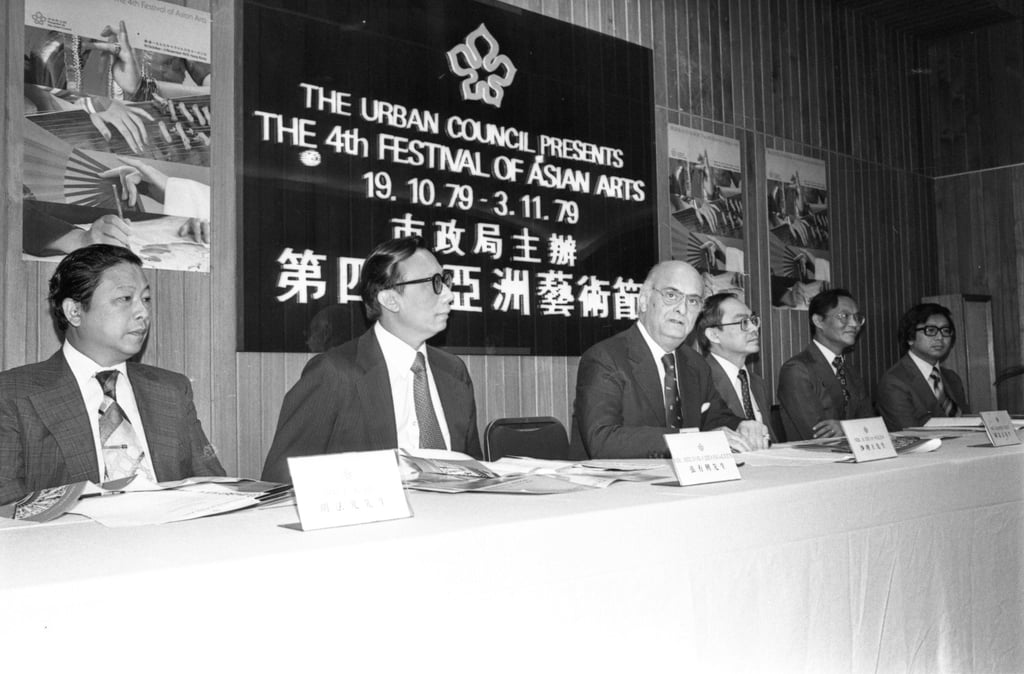
IT WAS THE BEGINNING of the government’s strategy to provide funding for the performing arts. And so, when colleagues in government would ask, “Why should we spend money on artists?” I would say, the funding is not for the artists, the funding is for the audience, the public. City Hall was full from the first day. I persuaded the government to build additional halls. The first one we built was the Tsuen Wan Town Hall. And we used the same designs as the City Hall Concert Hall. I spent 32 years working for the government in various roles. From the 1970s to 1984, I was the Cultural Services director. I also served as commissioner for television and entertainment licensing, and then later as deputy secretary for constitutional affairs, responsible for drafting the Basic Law. I was selected for that job because I spoke Mandarin and came from Shanghai, so there was a sense that I understood mainland China. In 1990, I became commissioner for labour and I introduced the long-service pay. I was then director of Building and Lands, when it was still one department.
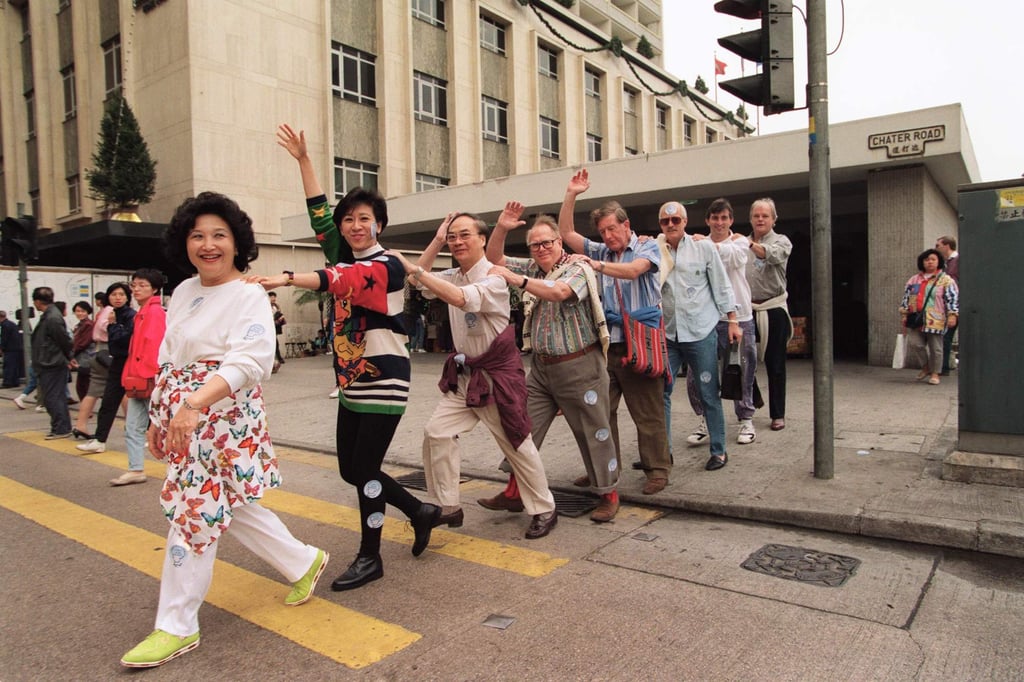
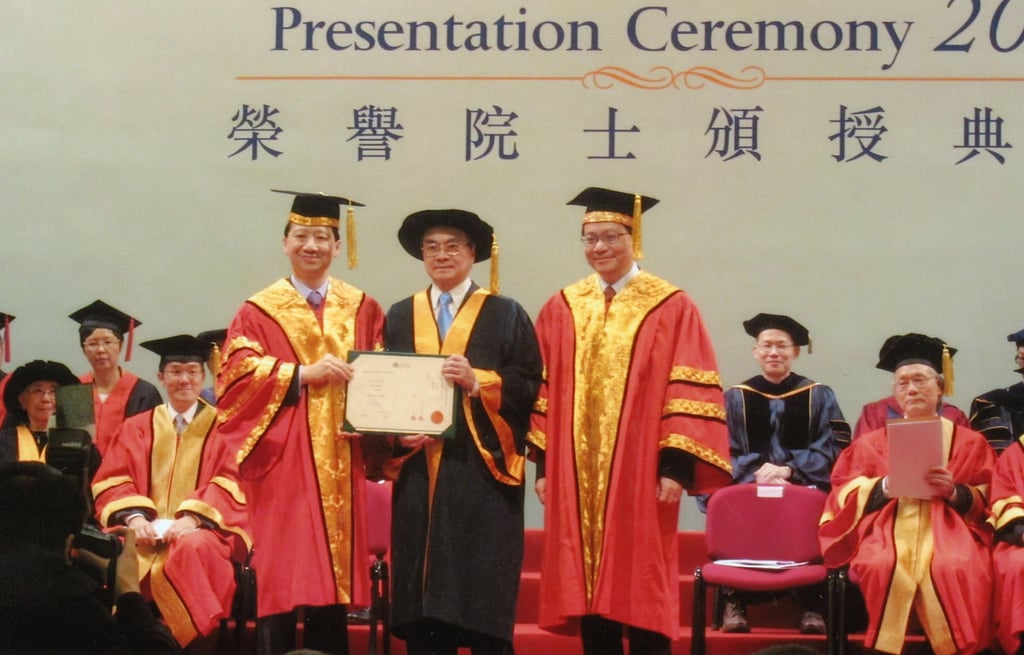
AFTER I RETIRED, in 1993, I was headhunted to join the Community Chest of Hong Kong as CEO. I worked there for more than six years before joining a number of NGO boards, including the Hong Kong Christian Service, where I have been the vice-chairman since 2001 and also St Christopher’s Home. I was on the board of Unesco Hong Kong and one of the first projects I started was promoting intangible cultural heritage. I’m on the board of several schools and colleges, including the Hong Kong Institute of Technology. These institutions gave me the opportunity to serve. I became a Christian in the 80s, so I believe in service to others. And, as I said, I knew what misery was about from my childhood in Shanghai. For me, it’s very clear that we humans are here for a purpose.
I HAVE TWO SONS, who are academics, and three grandchildren. Music is a big hobby of mine. I listen to music all the time at home – classical music. I have a good hi-fi system and I’ve linked my 65-inch television, so I watch YouTube. In my younger days, I did a lot of exercise, but not so much now, not since my retirement. But I do like taking the MTR and I do a lot of walking.
This interview has been edited and condensed for clarity