Hong Kong’s ‘urban living rooms’ – can these public spaces survive?
Despite their uniqueness, Hong Kong’s municipal services buildings face an uncertain future, with Kowloon City’s landmark complex set for demolition soon

In the Kowloon City Municipal Services Building, you can play badminton, borrow a book from the library, sample some of Hong Kong’s best Thai food and shop in a wet market where actor Chow Yun-fat is sometimes spotted buying his groceries.
“They’re unique,” she says of the municipal services buildings. “In other cities, there’s more space, but in Hong Kong, they stick all of these different uses together. People don’t appreciate them because they’re modernist, and they see them as just an ordinary part of their lives.”
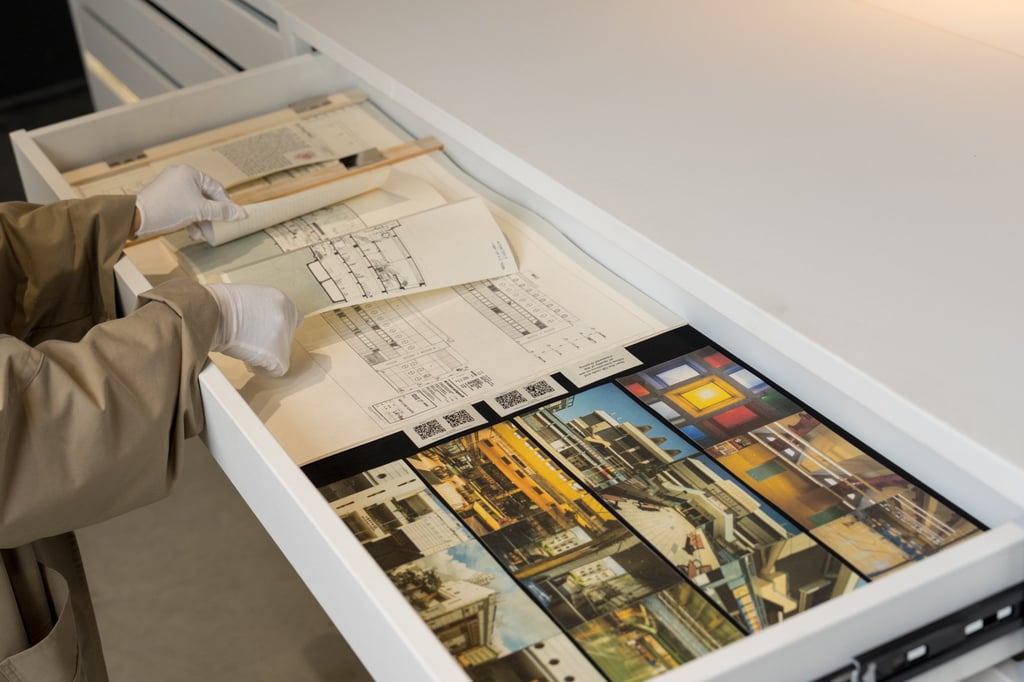
Titled “Projecting Future Heritage: A Hong Kong Archive”, the exhibition includes photos, drawings and descriptions of nine outstanding examples of the 43 municipal services buildings in Hong Kong. For many people, they are everyday destinations for food, sport, leisure, education and entertainment, but for Zhou, they represent an era when Hong Kong invested in the public good – a “bygone era of civicness” in a hyper-commercial city.
“There have been no new constructions of [municipal services buildings] since the 2010s,” Zhou wrote in a 2023 article for the urbanism journal Monu. That underlines “the precarity of this architectural type in the face of a growing erosion of municipalness and social urbanism”. In a city of countless shopping malls, can these low-cost, community-oriented structures survive?
In a city of countless shopping malls, can these low-cost, community-oriented structures survive?
Municipal services buildings were originally known as Urban Council complexes, after the partially elected body that managed the municipal affairs of Hong Kong Island and Kowloon before 2000; its New Territories counterpart was called the Regional Council.