A 1920s Macau community centre gets a contemporary makeover as Kam Pek Market
A century-old community centre turned vibey food hall is serving up heritage with modernity in Macau’s Unesco World Heritage-listed historic centre

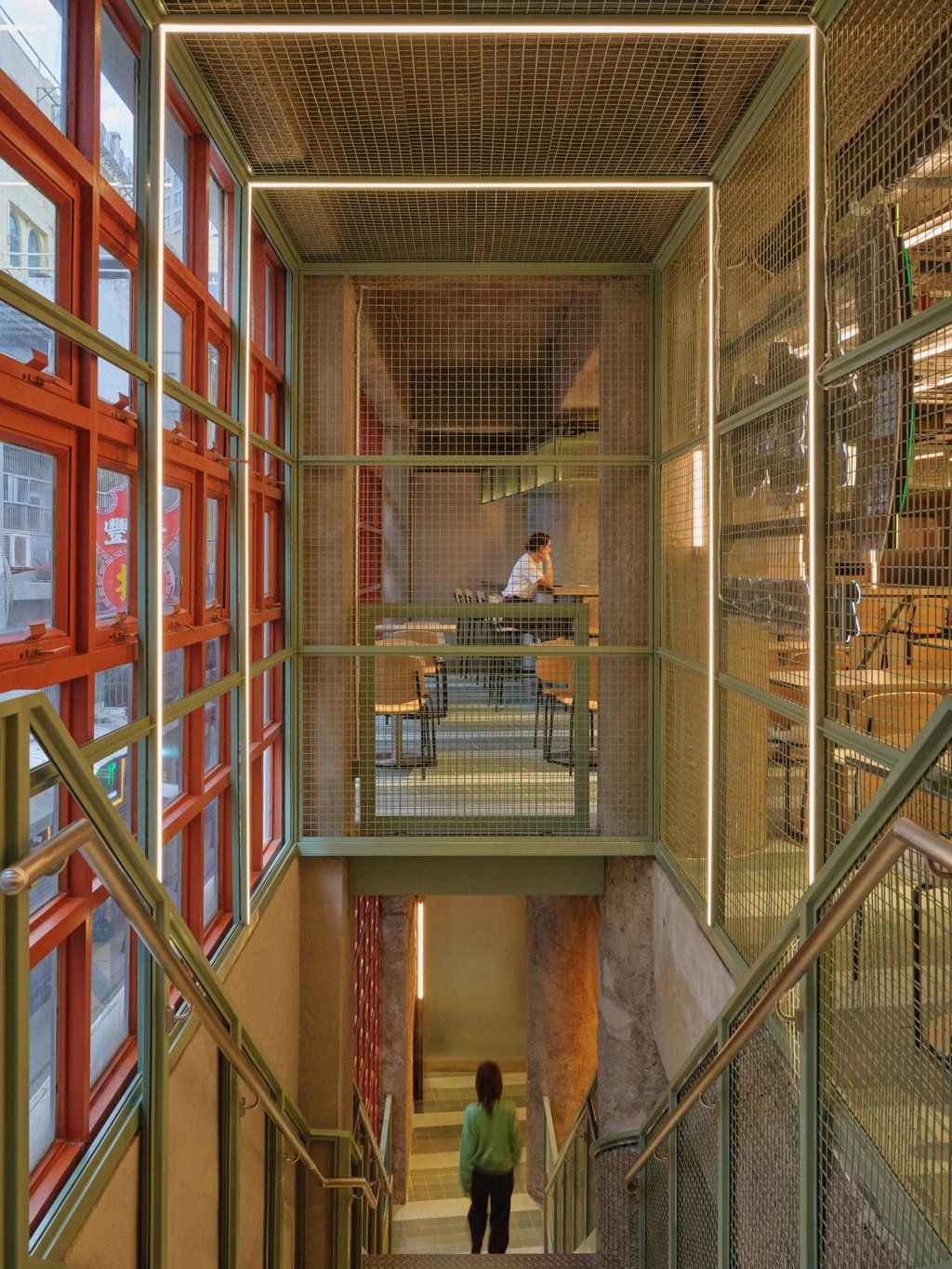
Lying within Macau’s Unesco World Heritage-listed historic centre, Kam Pek Market is part of SJM Resorts’ broader revitalisation plan for San Ma Lo. Breathing new (non-gaming) life into the area honours the terms of the group’s gaming concession contract, and the plan is closely aligned with the Macau government’s Historic District Revitalisation Initiative.
“With San Ma Lo, SJM is trying to create a cultural and culinary landmark destination in Macau as a point of difference from what you typically see in the rest of the city,” says New Zealander Hickling, who set up Linehouse with her Swedish-Chinese business partner, Alex Mok, in 2013. “Kam Pek Market is a community-driven project within that. Our design concept worked with the fabric of the building to tell a story of the past while embracing the future.”
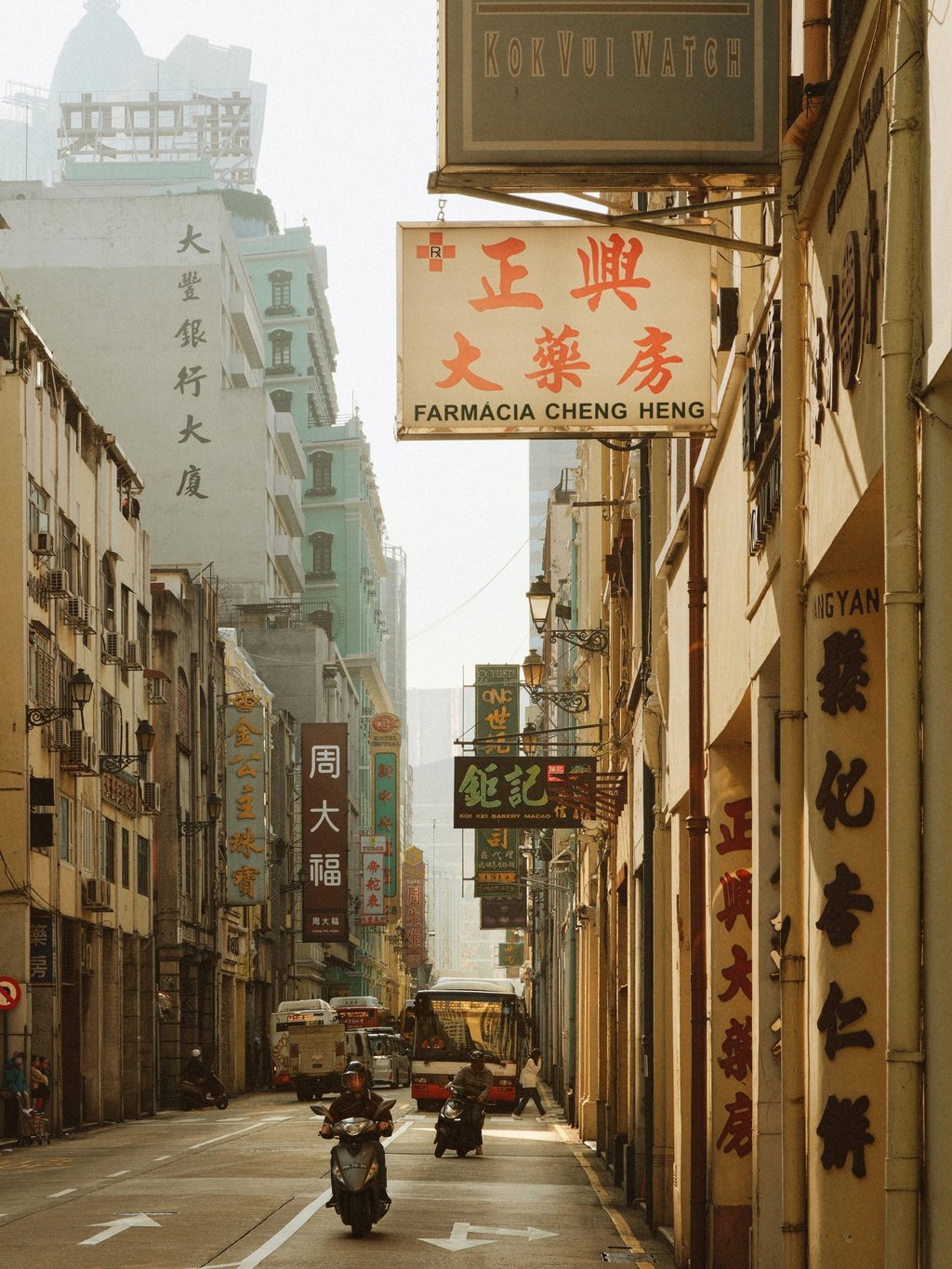
San Ma Lo (or “New Road”, as it was christened by the locals when constructed in 1918) connects Macau’s inner and outer harbours and is the city’s main avenue. It is lined with majestic colonial buildings, some recently restored alongside others in desperate need of a facelift. Situated in the centre of the thoroughfare, Kam Pek Market has had several incarnations. A casino in the 1980s and 90s, the building was converted into the Kam Pek Community Centre in 2002, consisting of a theatre on the ground floor and event spaces on the upper levels for local artists. Yet despite its name and prime location, the property had become uninviting and insular over the years, its architectural character obscured by ad hoc modifications.
“Part of this project was activating the building because it wasn’t very permeable,” says Hickling. “People couldn’t walk by and see immediately what was happening inside, nor was it easily accessible from the laneways.
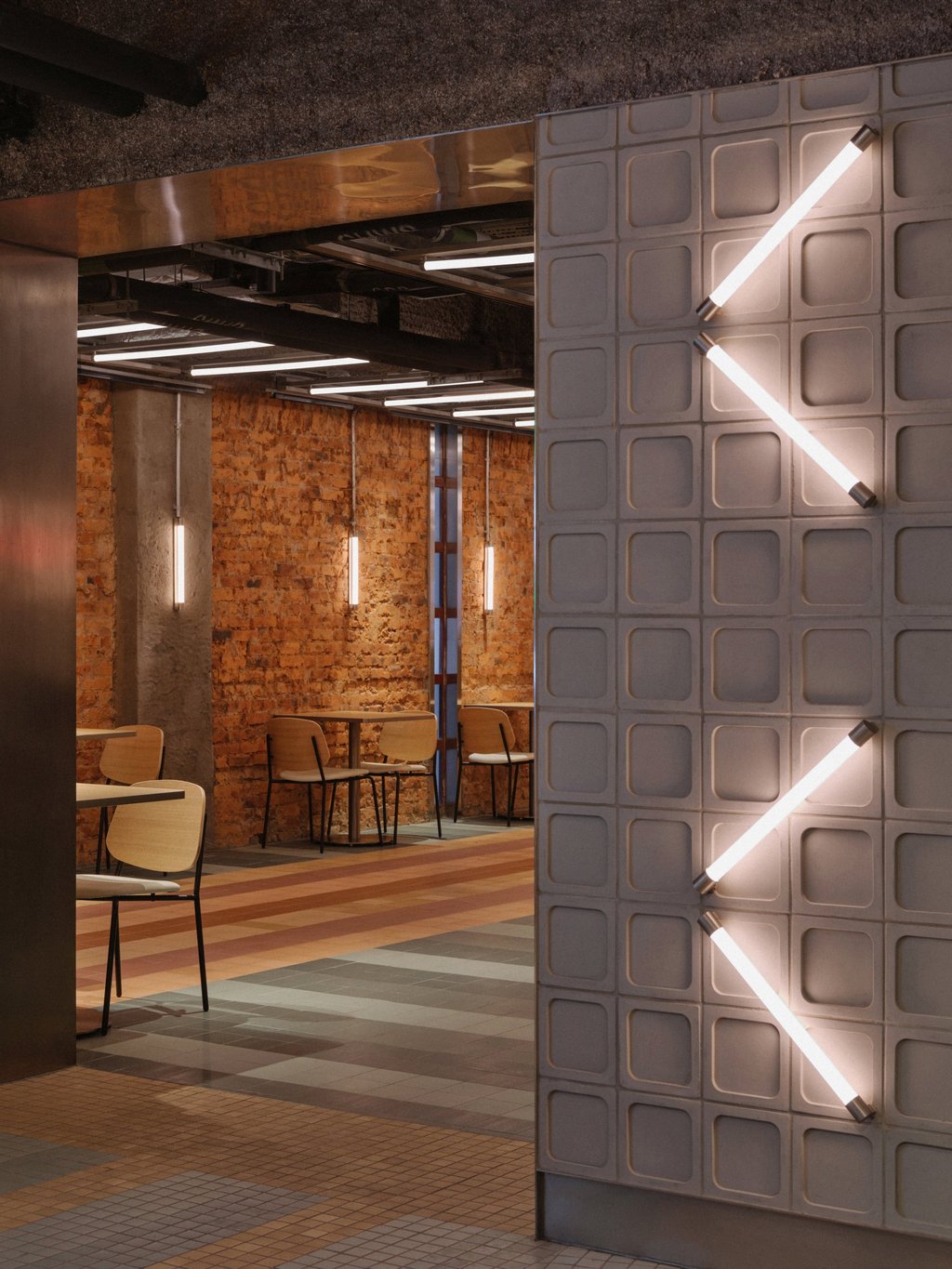
“We’ve done a lot of work with historical properties and our strategy is to celebrate the building and pay homage to its legacy. This particular building is a modernist structure and our first step was to strip everything back to understand what we were working with.”