Beer brewers across the globe are turning to AI to create new ales
Breweries are tapping artificial intelligence to make beer taste better. But can the likes of ChatGPT create a pint worth drinking?

“People thought the idea was cool even if the beer was fairly standard and not so distinctive,” says Masangcay. “We even used AI to name the beer [Foggy Daze] and generate the [promotional] artwork. Clearly, AI can be a tool in the brewing industry as it is in others.”
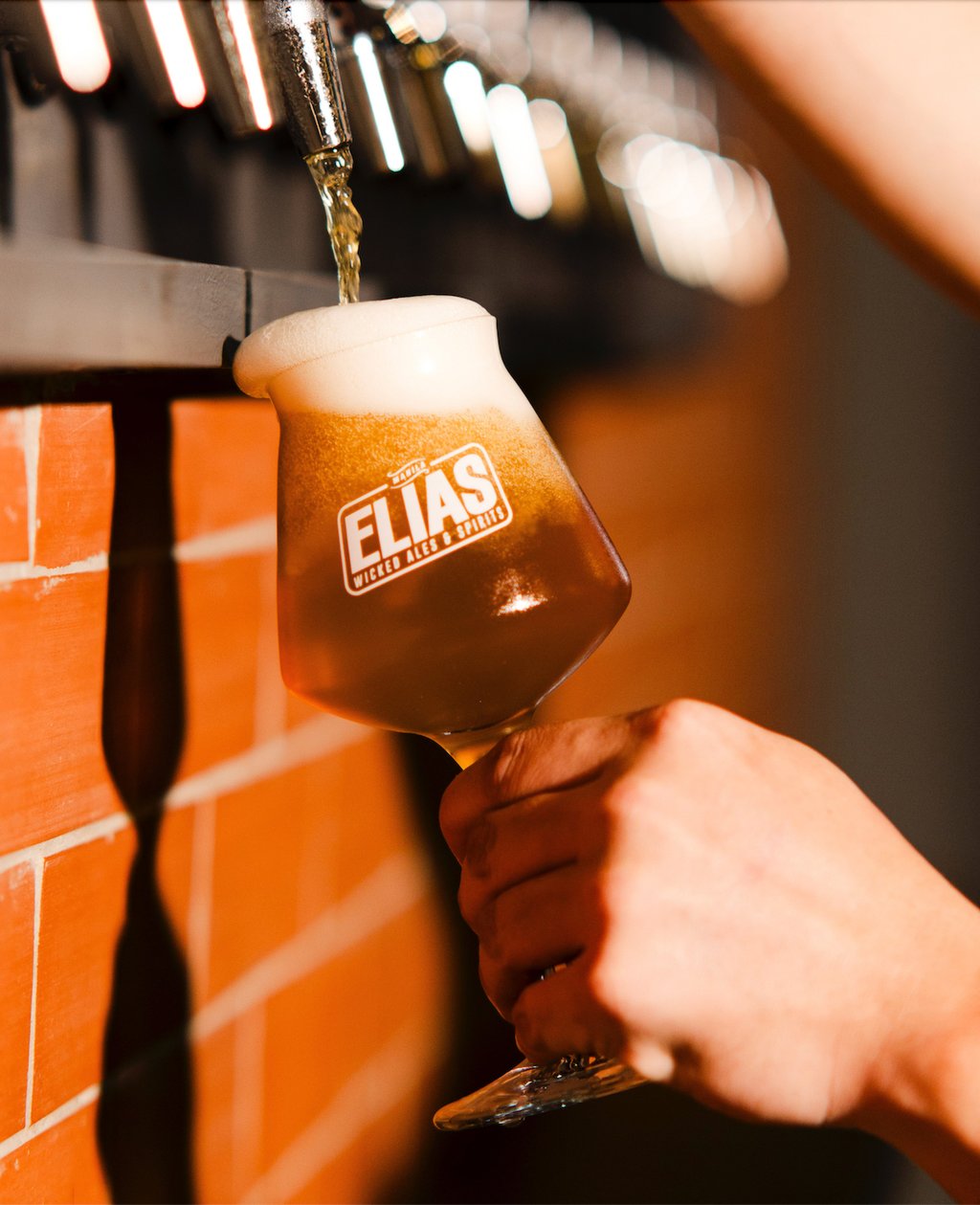
Masangcay, who also works as an engineer for Intel, isn’t the only craft brewer to identify AI’s potential. Last year, Britain’s St Austell Brewery launched an IPA wittily named Hand Brewed by Robots, while in the United States, Asbury Park Brewery used AI to help create a new India pale ale, which it called AI-IPA.
Japan’s Coedo Brewery teamed up with IT company NEC this year to use AI to develop four craft beers based on the characteristics and preferences of people in their 20s, 30s, 40s and 50s.
AI is appealing to the big guns of brewing, too. While Beck’s has its Autonomous beer, which the beer giant says was created by AI, Heineken has recently opened its global GenAI lab in Singapore. It might not yet be involved in recipe creation, but the plan is for the lab to boost productivity by looking into how a particular segment of the population might feel about a particular kind of beer.
Indeed, AI’s potential to make better beer is only just starting to be explored. At KU Leuven, a university in Belgium, Kevin Verstrepen is conducting research into the flavour compounds found in 500 Belgian beers, scoring them against a trained tasting panel and 180,000 online reviews, allowing him to use the data to build a machine-learning model that predicts how a beer would taste based just on its composition. AI could then be used to make precise but critical improvements to recipes. He is now extending that research to wine and spirits.