The Japanese art of ‘shun’: a chefs’ guide to seasonal eating, month by month
In Japan, the art of cooking in harmony with nature is called ‘shun’. Three chefs explain what’s in season and how they’re adapting it to a changing world

Being seasonal has long been a trend, a goal, a flex of the foodie world. But in Japan, it’s called shun (旬), what chef Ryuta Iizuka, of Tokyo’s two-Michelin-starred Ryuzu, says “refers to the period when ingredients are at their most delicious, most nutritious and most reasonably priced. It stems from Japan’s traditional way of living in harmony with nature and appreciating the transitions of the four seasons”.
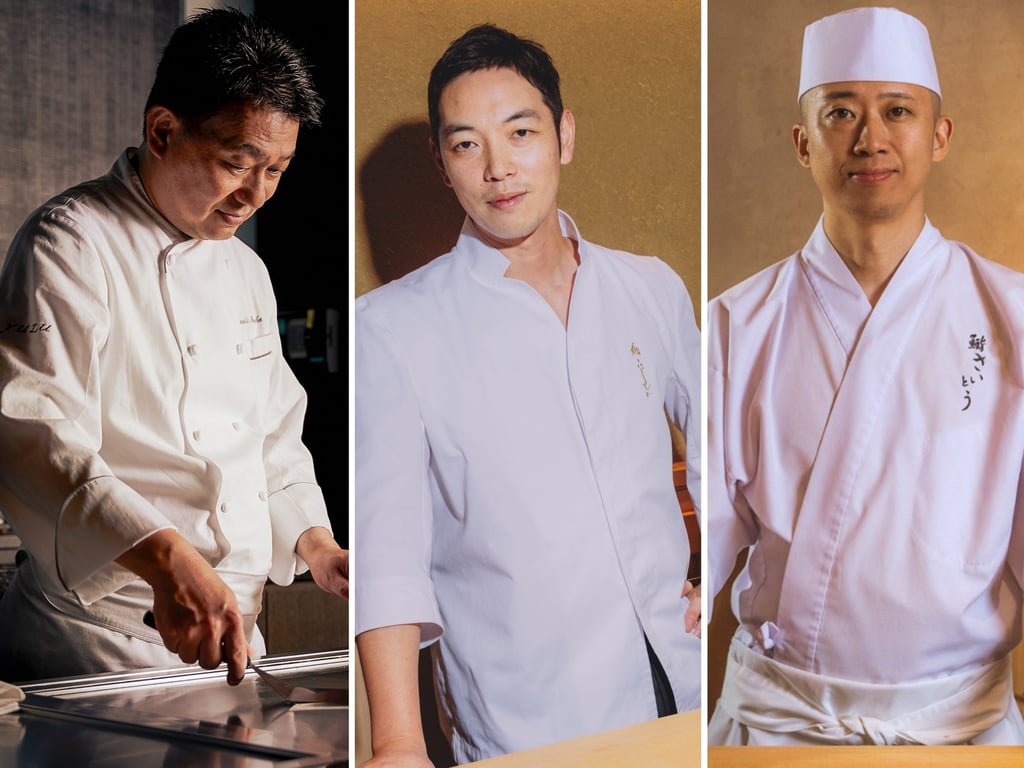
While this guide captures Japan’s seasonal rhythms, nature has never followed our calendars exactly and neither do great chefs.
“Due to global warming, we’re seeing shifts in nearly all seasonal ingredients,” says Fujimoto. “Our job is to adapt, not just our menus, but how we prepare each ingredient as it comes to us.”
“Overfishing is one of our biggest concerns as well,” adds Nawata. “For instance, abalone populations have fallen to about one-quarter of their numbers over the past 40 years. As a result, chefs must adapt their menus, often focusing on more sustainable options.”
So, use this guide as a starting point, but remember, magic happens when master chefs transform what the waters and fields offer each day into something extraordinary. That fleeting moment when ingredients, skill and season align, that’s the real taste of shun.