Dishing up a soft meal revolution for Hong Kong’s elderly
As its population ages, meals designed for sufferers of dysphagia are making their way onto menus across the city

Eight years ago, when her mother’s stroke stripped her of the ability to swallow, Pearl Chuin Pui-yee, then 50, had no idea what dysphagia was. She would watch her once sprightly mother wither away from refusing the vomit-coloured goop of blended congee, protein and vegetables served daily at her care home.
“I’d visit with my own food so we could share meals together. She’d point at my plate to signal that she wanted mine instead,” says Chuin. “She rarely ate the food the home gave her. It was heartbreaking.”
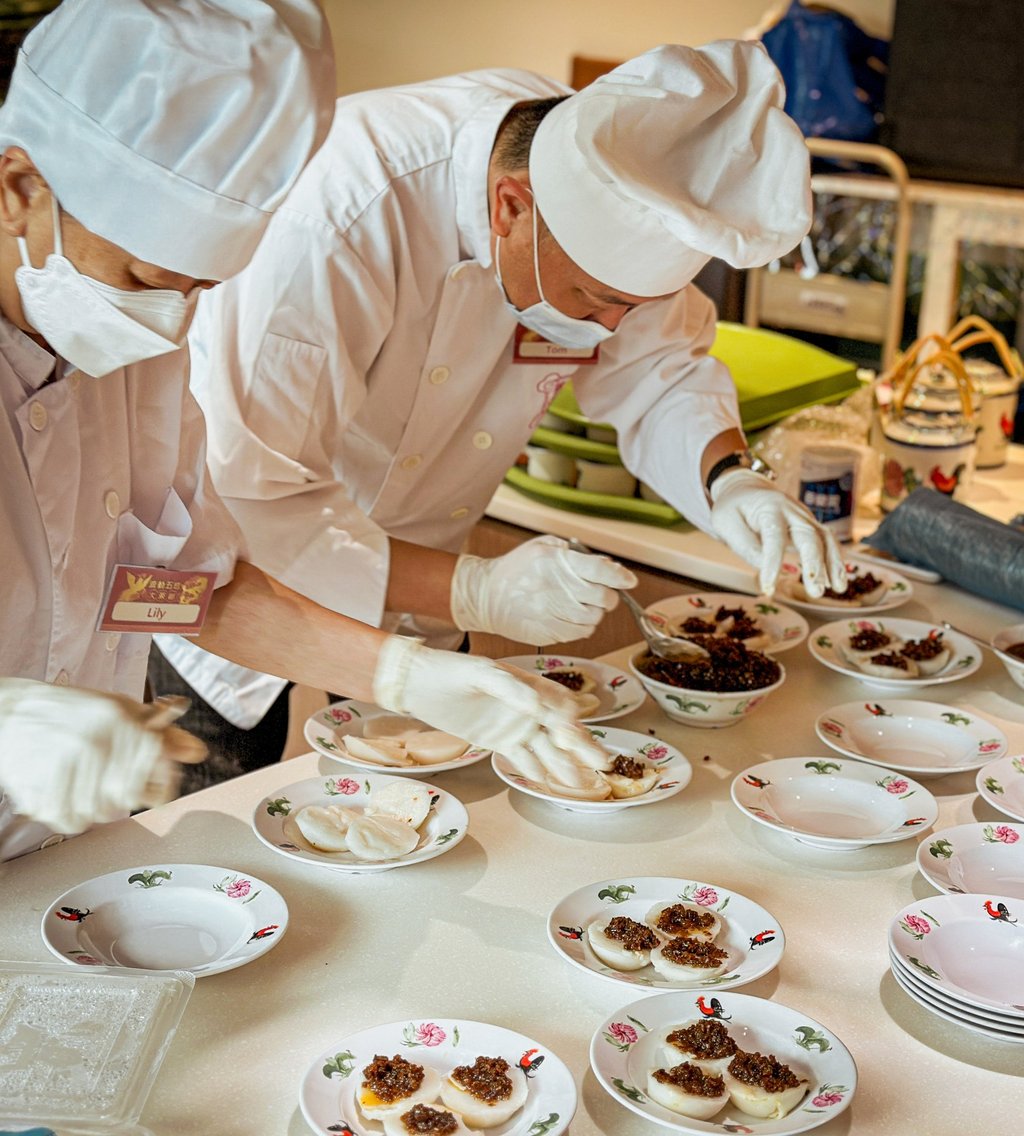
Hong Kong is home to more than 1.6 million people over the age of 65. According to authorities, spending by people aged 60 and above reached about HK$342 billion in 2024, accounting for roughly 11 per cent of the city’s GDP. This demographic is set to increase by more than 80 per cent by 2043, according to the 2021 census report. A 2015 study by the University of Hong Kong, meanwhile, estimated that about 60 per cent of local care home residents suffer from dysphagia.
With the number of sufferers almost certain to rise in the coming years, institutions are increasingly casting their gaze at neighbouring Japan. With a third of its population, or 36 million people, aged 65 or over, it is often cited as the world’s oldest society, and the market for care foods surpassed US$800 million in 2024, projected to grow a further 15 per cent over the next six years. Corporations such as Panasonic are throwing their heft behind innovative devices like the DeliSofter cooker, which combines a high-speed blender and pressure cooker to quickly and conveniently process dysphagia-friendly food at home.
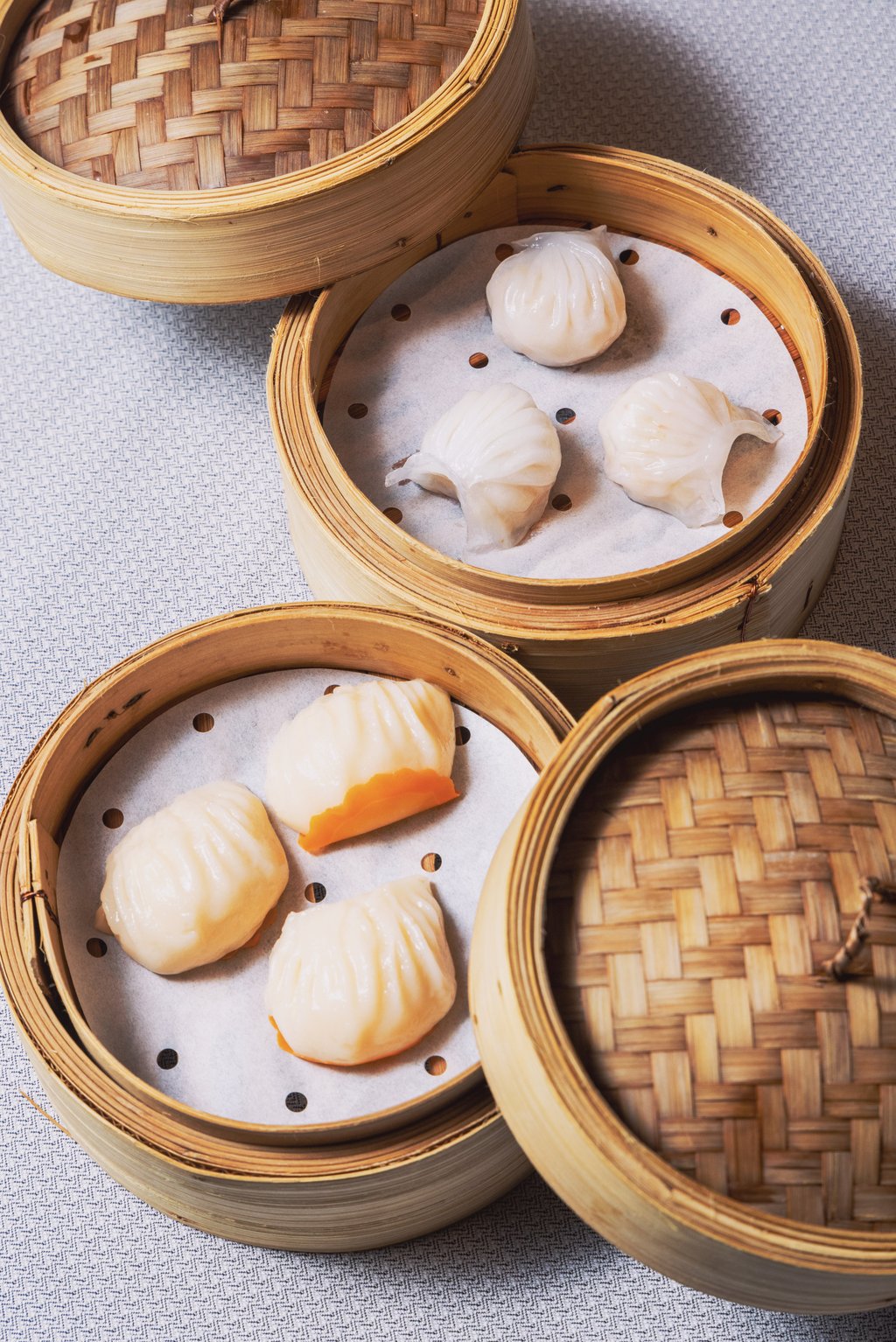
In the case of the goose leg, Yung Kee’s chefs blend the meat into a liquid, then mix it with Japan-made, plant-based enzyme gellants and heat it to a specific temperature before pouring it into a drumstick-shaped mould. Finally, crispy goose skin is layered on top for presentation. The result is something that looks and tastes like the real deal but with a pudding-like mouthfeel.