Kresse Wesling’s radical brand turns discarded fire hoses into sustainable fashion
Elvis & Kresse have redefined sustainable luxury, turning 315 tonnes of landfill-bound waste into handbags and belts – and it all started in Hong Kong

“I just sat there while he de-sheeted an entire roll,” recalls Wesling. “I was like, ‘He’s got to stop at some point, this is a big roll. We’re going to be here all day.’”
Wesling had recently started her own biodegradable packaging company, supplying multiple branches of Pacific Coffee with environmentally friendly toilet paper and bin bags. Now she was trying to win over The Peninsula – and succeeded. In fact, she’s taken the concept of sustainable luxury further than perhaps she thought possible. To understand Wesling’s latest venture, Elvis & Kresse, I visit her and her partner James “Elvis” Henrit’s workshop, in a quiet corner of Kent, in southern England.
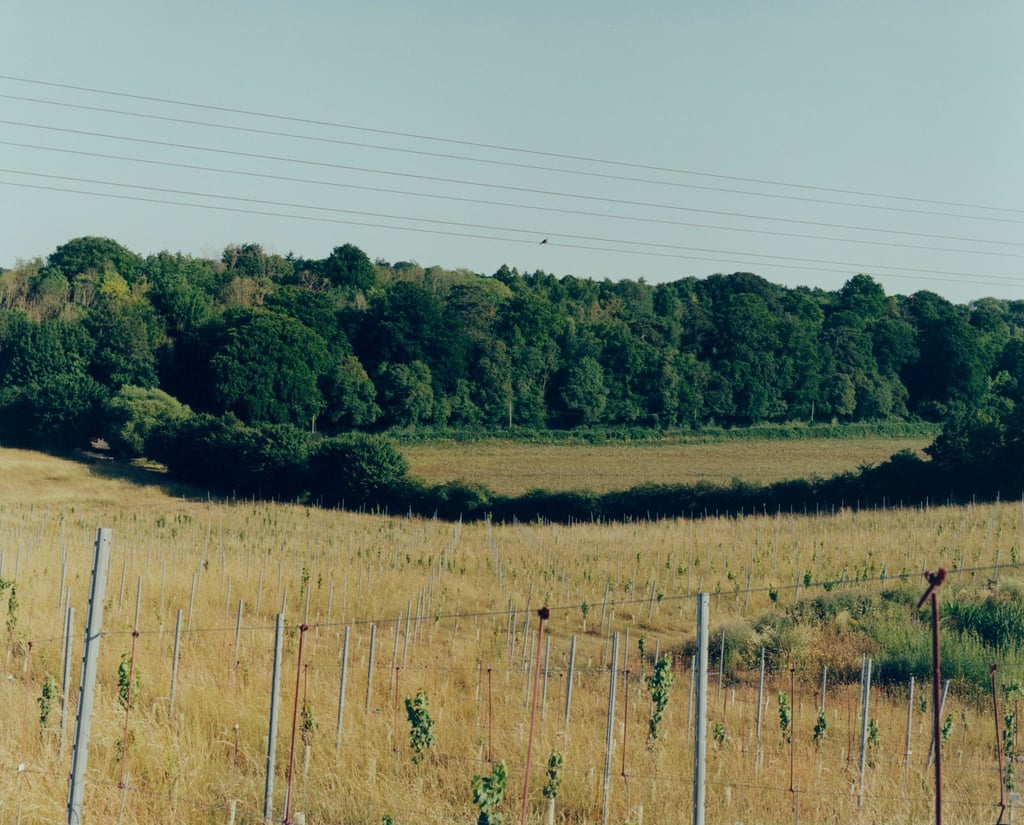
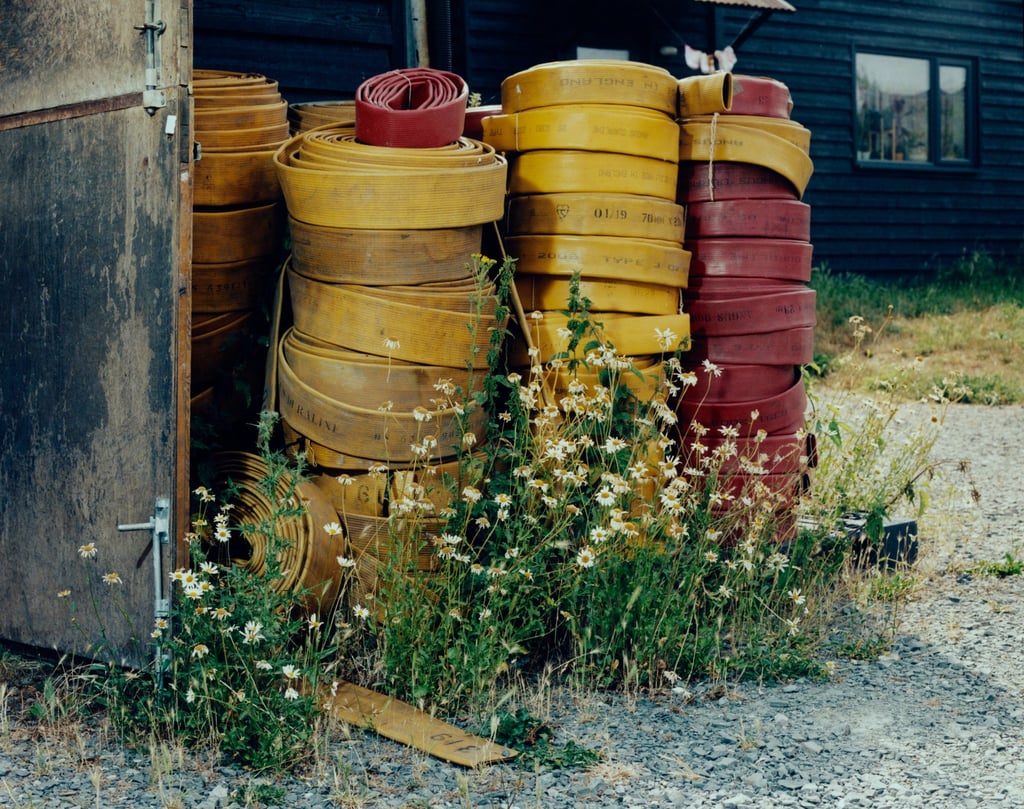
A low-slung workshop edged by fields, only the stacks of coiled, decommissioned fire hoses at the gate hint that something unusual is happening here. Inside, I find two interns bent over sewing machines while more experienced hands sort through supple Burberry offcuts. A giant wooden table, riven with score marks, is covered in scraps of old tea sacks. Joni the dog bounds over to greet visitors until she’s called off.
Since 2005, Elvis & Kresse have turned decommissioned fire hoses and other discarded materials into covetable luxury goods such as handbags, holdalls, belts (spotted on Cameron Diaz no less), leather rugs and laptop cases. In all, they have rescued 315 tonnes of waste, much of it bound for landfill, and given it a new lease of life.
The farm itself mirrors that ethos. The workshop is powered by renewable energy, and even though it’s a hot day when I visit, the air circulation system means the room we chat in remains cool and comfortable. A wetland behind the building treats more water than the business consumes. The couple have even coaxed life back into degraded farmland, now a vineyard, due to produce its first wines this year. Every detail seems designed to prove that luxury can operate in harmony with the planet, and half of the company’s profits go to charity, nearly US$500,000 so far.