How Hong Kong’s zine-making movement is helping people heal and be heard
At workshops and festivals, some are embracing DIY publishing as a slower, more human way to find connection and tell their stories

For Maria Nemy Lou Rocio, a Filipino domestic helper who has been journaling since the age of six, writing has always been her refuge. “From best to worst, writing truly carried me through life,” she says. “It helped me process being abused by my adoptive family, excitedly document my first crushes, face suicidal despair when I wrote my ‘last letter’ …”
“I wanted my community to benefit from the amazing tool that is writing, to feel empowered by it, and to share it with the world,” she says. “Zines happened to be the perfect medium. They’re a cheap, accessible, blank canvas without any rules. Whether poems, raw thoughts, collages or drawings, they offer a complete and creative outlet for expressing emotions and sharing them with the world.”
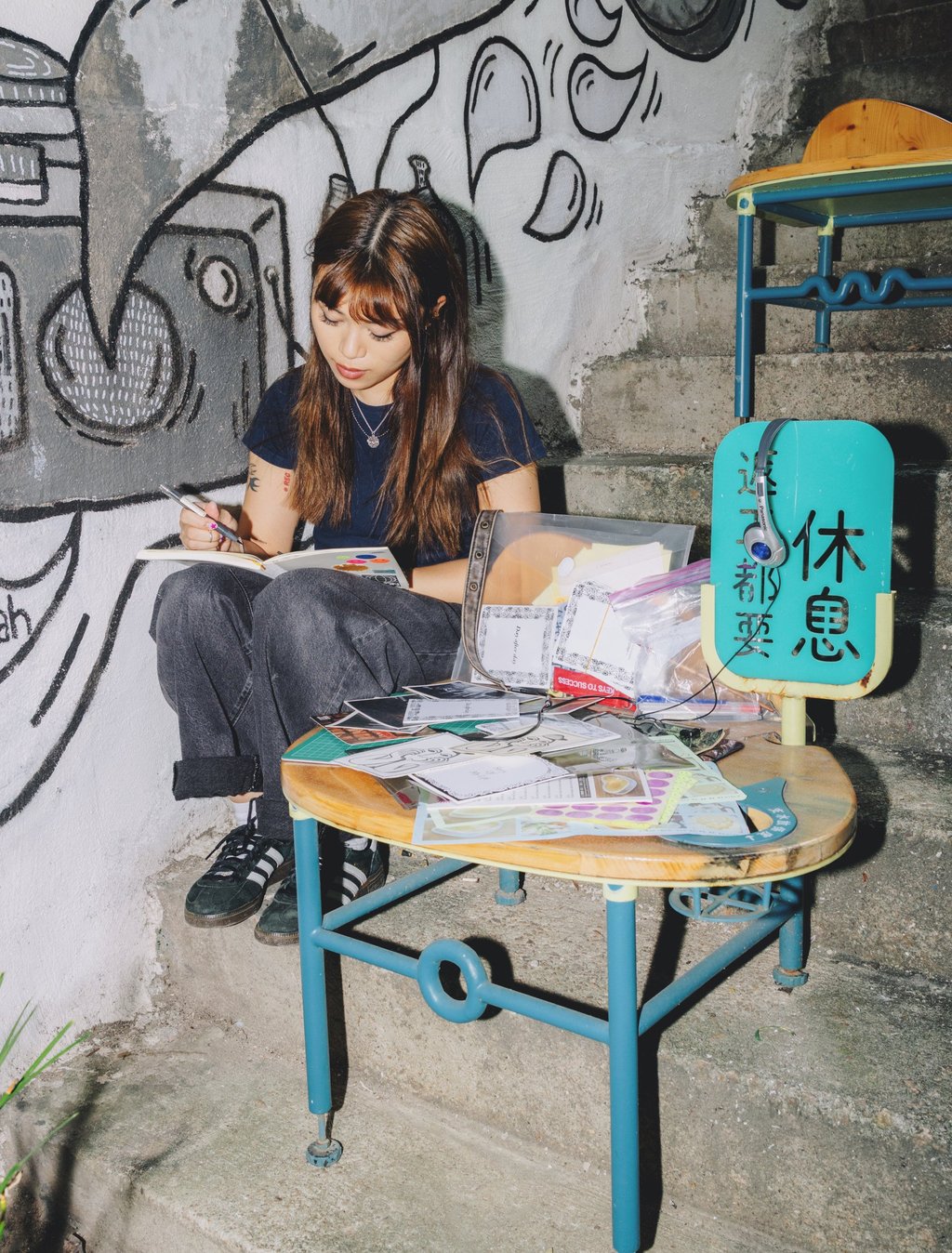
At Migrant Writers of Hong Kong, an association co-founded by Rocio in 2021, domestic workers learn the art of zine making through workshops hosted with Beatrix Pang Sin-kwok, a Hong Kong visual artist and co-founder of publishing collective Zine Coop. The process begins with the hardest step: giving words to emotions. This can mean poems for families back home, letters to employers heavy with unspoken truths and diaries recounting the emotional toll their job takes on them.
Then, the crafting starts. Print pictures, draw, add stickers. Cut precisely and glue carefully. Repeat anywhere from five to 50 times, and a zine is born. After that, it’s time to photocopy and spread the word.
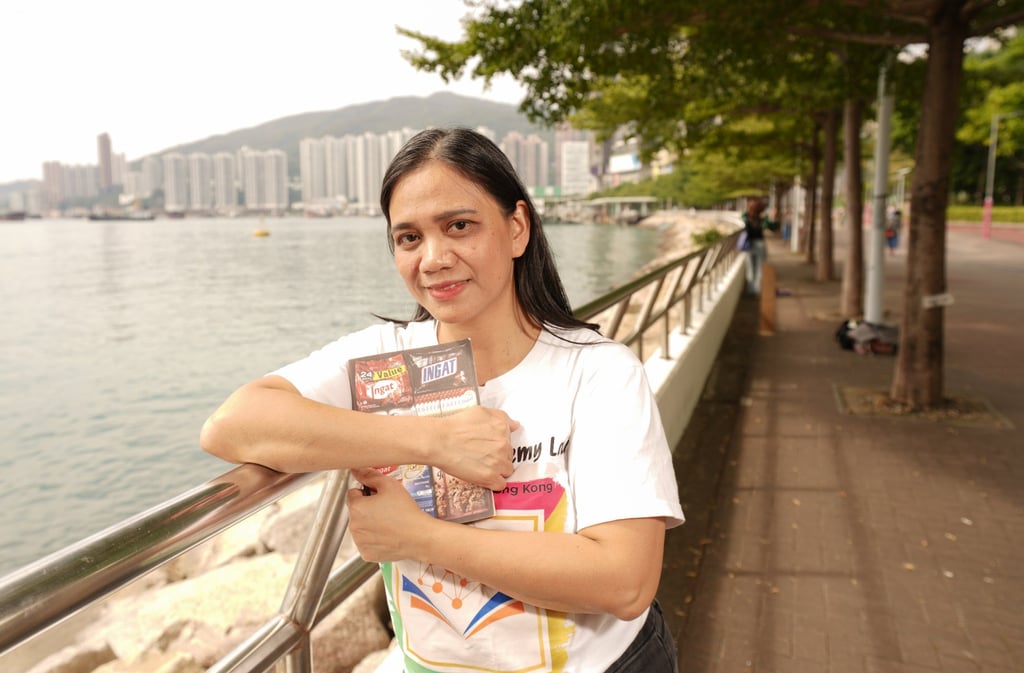
“I cried the first time I looked at the final result,” recalls Rocio. “Publishing the zine brought together the brilliance and emotional resilience of migrant domestic workers, which often goes unseen in Hong Kong. Seeing our poems published made us proud, legitimised our emotions and gave us a sense of what we’re capable of. Making a zine connected us to each other and to our healing process while allowing us to push for change and for readers to see us beyond our jobs.”