Advertisement
PostMag
Life.Culture.Discovery.
Trip Inspiration
PostMagTravel

How two contrasting cities tell the German story

Rothenburg ob der Tauber is fairly well-known among visitors to small-town Germany but Chemnitz, a European Capital of Culture for 2025, is also worth your time

Reading Time:7 minutes
Why you can trust SCMP
The city wall at well-preserved medieval Rothenburg ob der Tauber, in southern Germany, has an interior gallery that allows an aerial promenade around the compact city. Photo: Peter Neville-Hadley
Peter Neville-Hadley

“You’re going to Chemnitz?” say my German friends in surprise. “Why?”
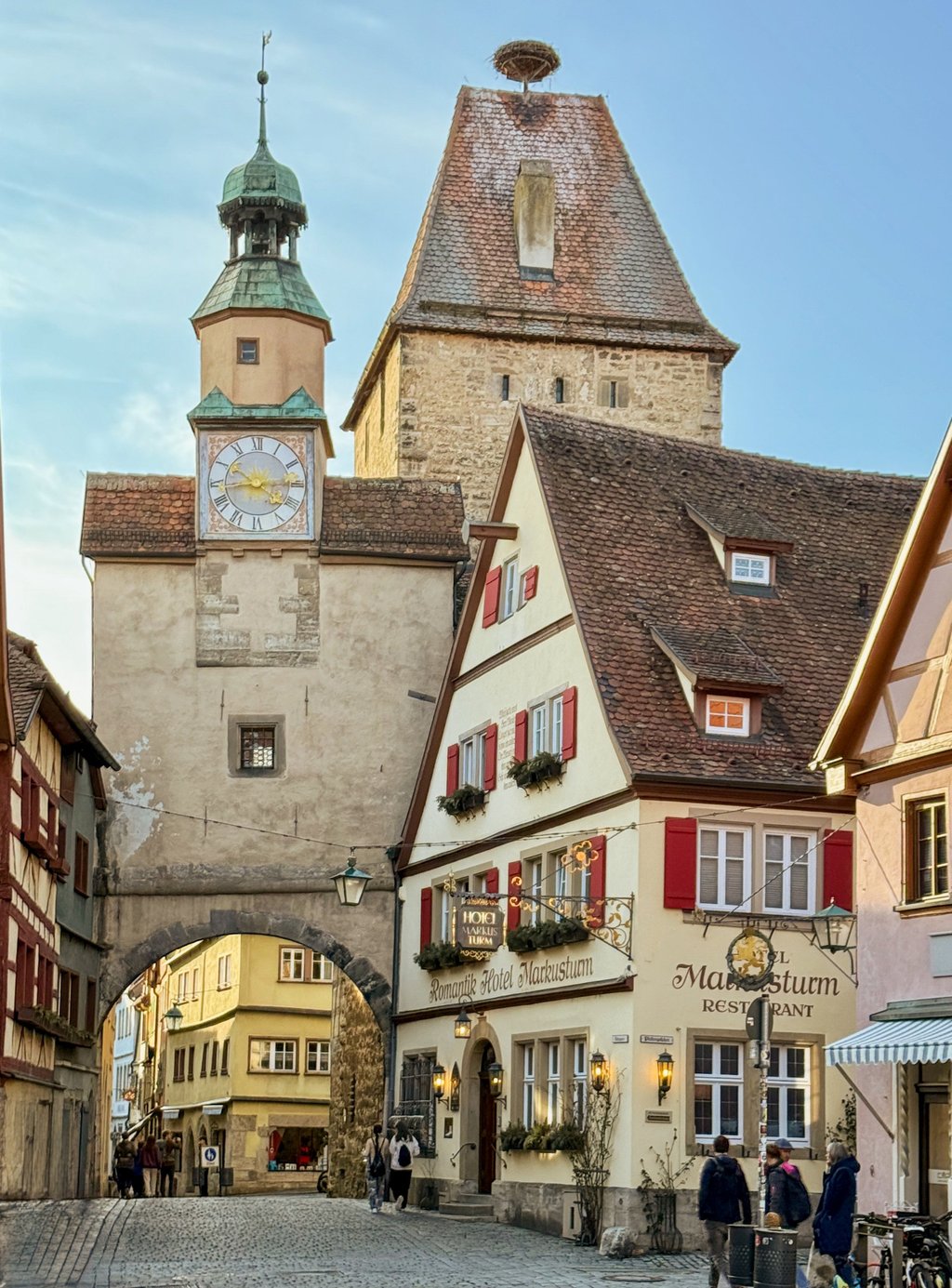
They are even more astonished to hear that this Saxony city is a 2025 European Capital of Culture. If a low profile German town is to be one of the two or three European Union cities chosen each year for this honour, surely it should be somewhere like well-preserved Rothenburg ob der Tauber, in Bavaria. World War II gave that jigsaw-puzzle-pretty city a relatively gentle cuffing, whereas it flattened industrial Chemnitz.
Rothenburg ob der Tauber, in the south of Germany, is a well-preserved warren of medieval housing surrounded by a city wall with varied gate towers, where every turn on a random walk brings new pleasures. Photo: Peter Neville-Hadley

But, as the promotional team in the converted factory now functioning as Chemnitz’s reception centre explains, the point of the programme is not to give further profile to either the pretty or the pretty successful, but to promote the diversity of European culture, especially that which is undeservedly less well-known. All the more urgent for a city that has come to be known in recent years for anti-immigrant protests and some of Germany’s staunchest support for the far-right Alternative für Deutschland party.

Advertisement

And despite its pre-reunification history as the decaying East German state’s Karl-Marx-Stadt, a hard-to-love centre for technology that lagged ever further behind the West, Chemnitz turns out to have no shortage of culture of its own to present.

The slogan of Chemnitz’s vast programme of cultural events for 2025, with visiting orchestras, art exhibitions, a bike race and much else still to come, is “C the Unseen”, to be read both as an admission that the city remains little known and an exhortation to discover what’s been missed.
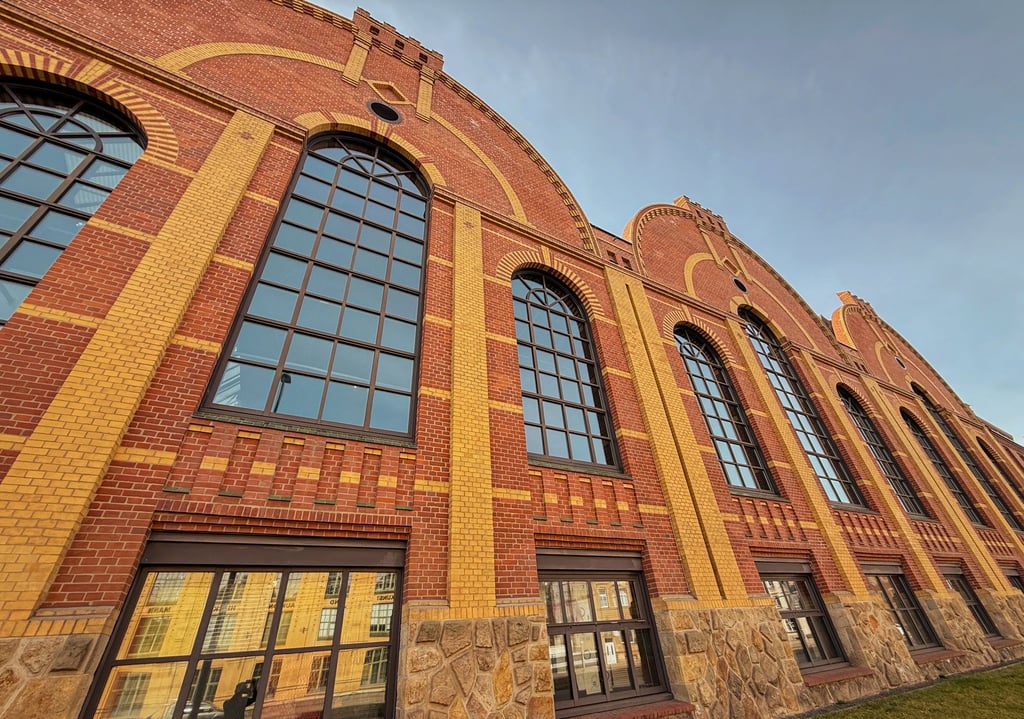
Chemnitz’s early 20th century industrialisation did not come without elegance, and this century-old former factory is now that Saxony city’s Industrial Museum. Photo: Peter Neville-Hadley
“It is a good motto,” says Gisa Gruner, the retired teacher who is my guide, “because Chemnitz is always at the back of the queue. In Saxony, Dresden and Leipzig come first.”
Advertisement
Advertisement
Select Voice
Choose your listening speed
Get through articles 2x faster
1.25x
250 WPM
Slow
Average
Fast
1.25x