Insiders’ guide to Kerala, from ancient rituals to forest walks
There’s much to experience beyond the backwaters in this enchanting Indian state

With the Arabian Sea on one side and the Western Ghats mountain range on the other, Kerala has long cast its spell on travellers, with meandering backwaters, temple rituals and spice ports. Criss-crossed by 44 rivers, this Indian state offers endless possibilities for exploration, perhaps on a houseboat, but scratch the glossy picture-postcard surface and you’ll find a wilder, deeper side, where tribal traditions, sustainable travel and biodiversity take centre stage.
A different kind of sightseeing
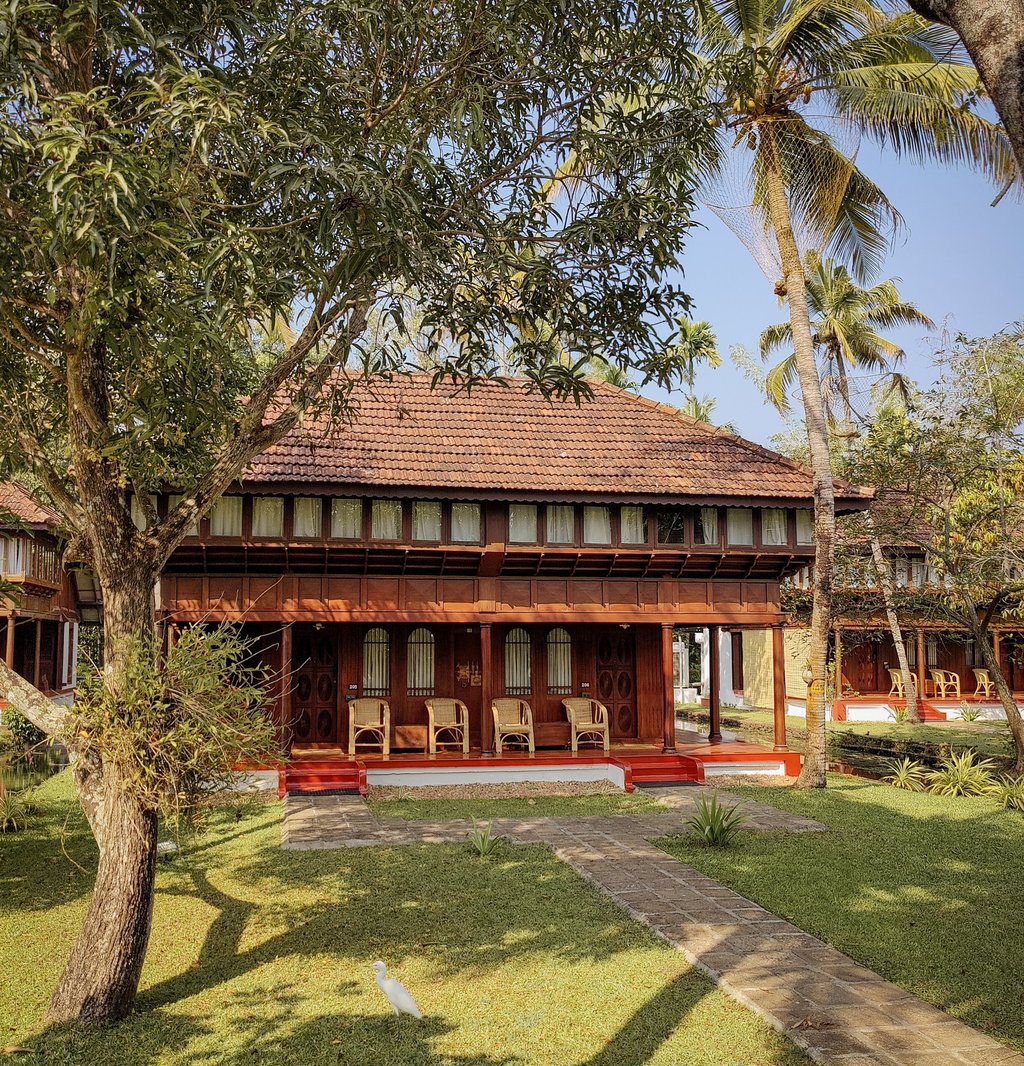
There’s beauty in Kerala’s traditional architecture, too. “Don’t miss the tharavadus, wooden ancestral homes that can be dismantled and reassembled like puzzles,” says Mridula Jose, a third-generation hotelier at CGH Earth, whose portfolio includes the Coconut Lagoon in Kumarakom, where relocated century-old tharavadus serve as guest villas.
Gopinath Parayil, founder of experiential tourism company The Blue Yonder, recommends visiting the Pokkali paddy fields near Ezhikkara, 30km to the north of Kochi. “These ingenious fields grow saline-tolerant rice in the monsoon, then transform into shrimp farms in summer, a living example of Kerala’s indigenous farming wisdom,” he says. Tour companies such as Cochin Magic take you to these fields with a guide.
Culture and festivals
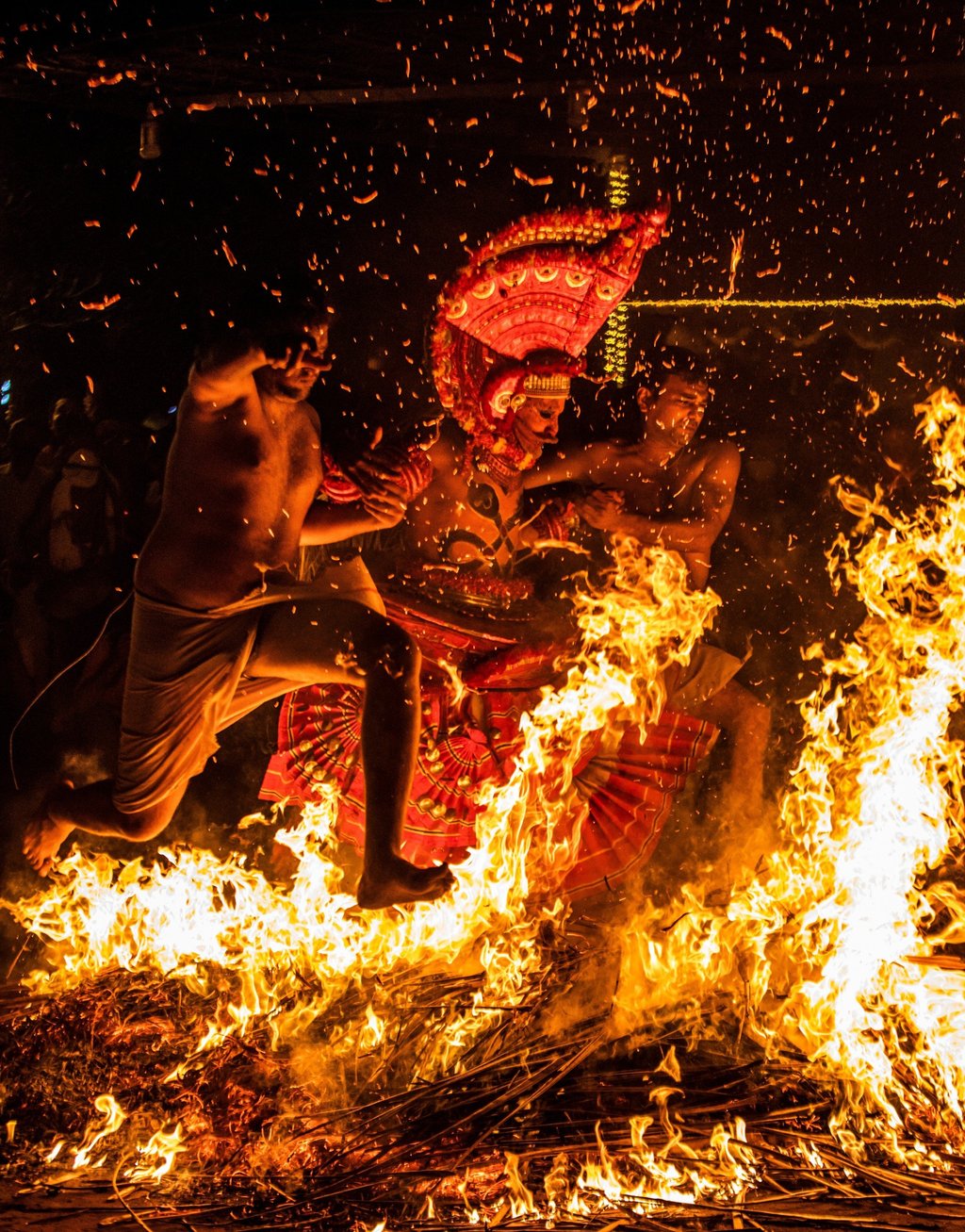
Kerala’s cultural calendar is a vivid tapestry embodied by the trance-like ritual theatre of Theyyam.
“It’s a blend of dance, possession and storytelling with painted faces and brilliant performances,” says Parayil. With their towering headgear and fire dances, performers become gods for a night. Performances are especially raw and electrifying when experienced in temples and old homesteads around Bekal and Kasaragod, in northern Kerala, between October and May. Hotels in the area should be able to provide a calendar of local Theyyam performances.
“For something quieter but equally layered, try Ottamthullal, a satirical performance art form created in the 18th century by poet Kunchan Nambiar,” says Jose. “It’s witty, political and beautifully costumed.” Look for performances by masters such as Kalamandalam Mohanakrishnan at Kerala Kalamandalam, in Thrissur, or at the Kathakali Centre, in Kochi.
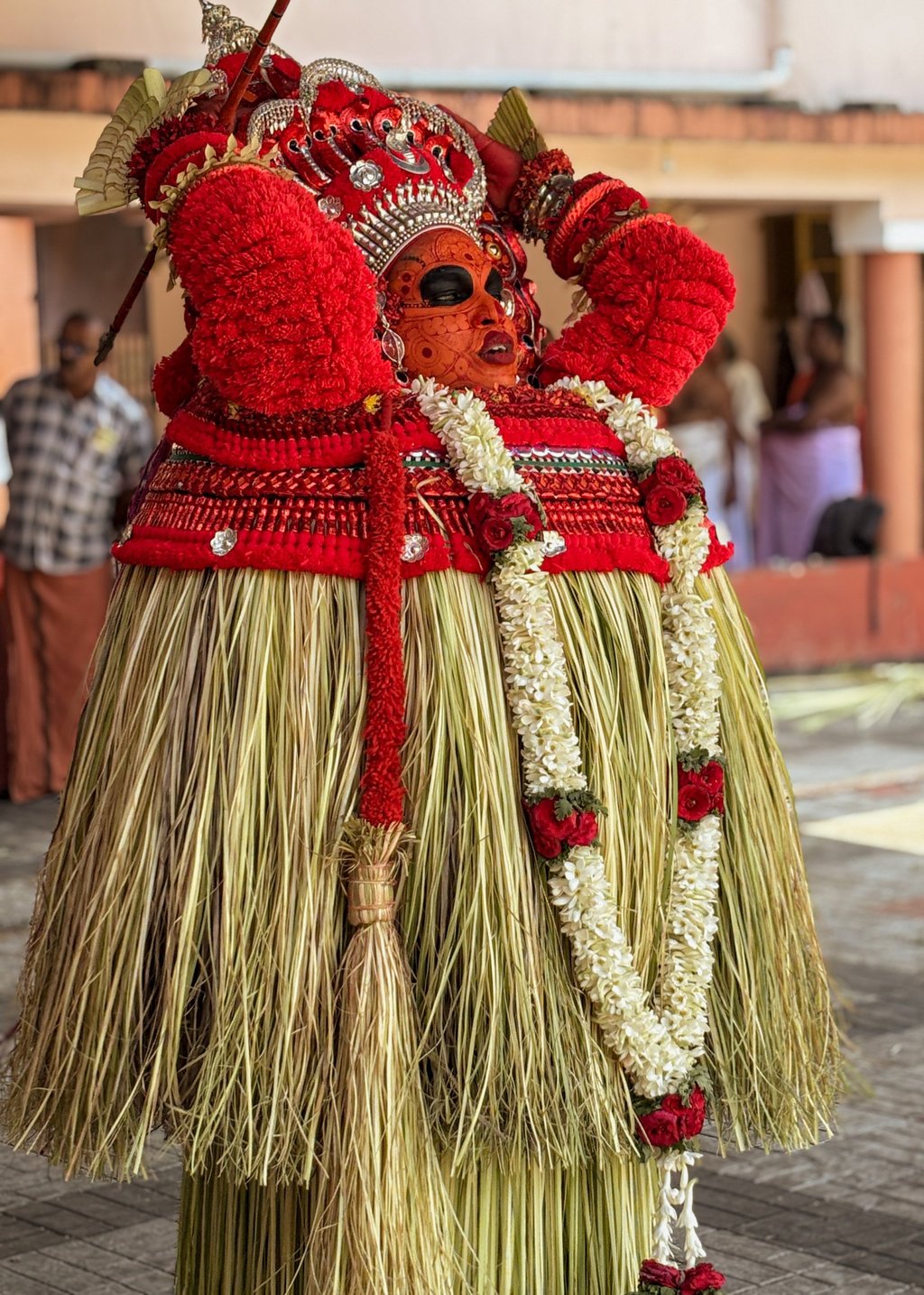
“Check out Koodiyattam, one of the oldest forms of theatre in the world, having originated in Kerala over 1,000 years ago, and it is recognised by Unesco,” says Abraham. “It has striking headdresses, painted faces and detailed attire,” and you can catch a performance at Kochi’s Cochin Cultural Centre or at the Kerala Kalamandalam art university, in Cheruthuruthy, 115km north of Kochi.