Advertisement
PostMag
Life.Culture.Discovery.
European travel
PostMagTravel

In search of Jane Austen’s England, from tranquil villages to grand estates

An exploration of southern England in the footsteps of Jane Austen, born 250 years ago this month

Reading Time:8 minutes
Why you can trust SCMP
People dressed in period costume attend the Jane Austen Regency Country Fair, on July 6, in Steventon, Hampshire. Photo: Getty Images
Gillian Rhys

In a peaceful valley among gentle rolling hills in Hampshire is a field much like any other in this part of southeast England. Seen through the hedgerow from a narrow country lane there’s nothing to signify it was the birthplace of one of the world’s most famous novelists. But 250 years ago, on a frosty December 16, Jane Austen was born in Steventon rectory, which stood on this site, and lived here until she was 25, more than half her 41-year life.

The city of Bath is the location most enthusiastically associated with Austen but it was rural Hampshire that she loved. The author was arguably happiest and at her most prolific in the tiny village of Steventon and, later, picturesque Chawton, which was her last home.

“Steventon is where she spent her formative years,” says Phil Howe, the convivial owner of Hidden Britain Tours and resident Jane Austen expert at the luxury hotel Heckfield Place, in nearby Hook. “It’s where she grew up and where she wrote ‘The Juvenilia’ [her childhood short stories] and her early novels.”
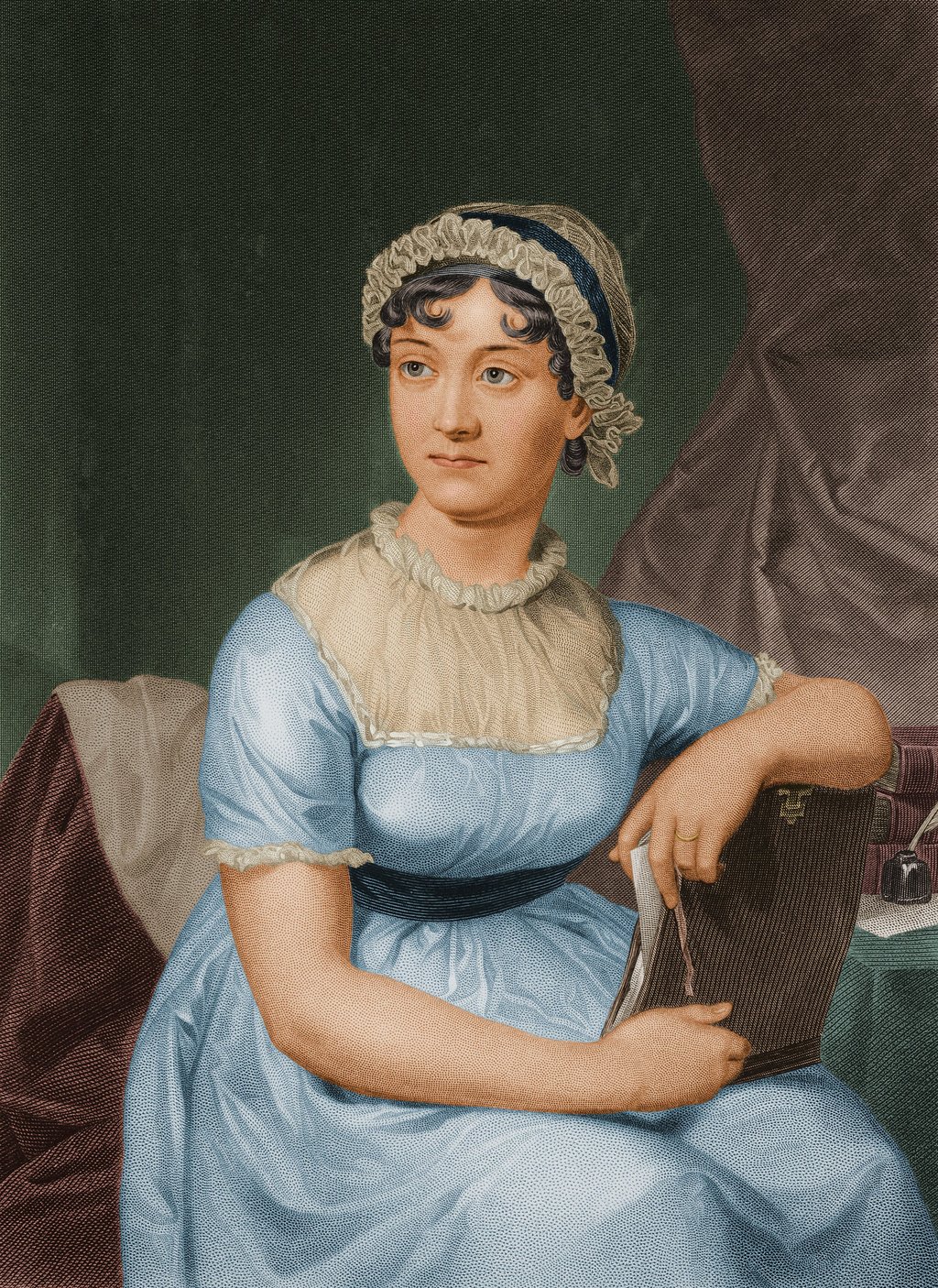
Jane Austen, circa 1790. Photo: Getty Images
Austen wrote the initial manuscripts of what would later become Sense and Sensibility (1811), Pride and Prejudice (1813) and Northanger Abbey (1818) while living here. Some imagination is needed to picture the bustling rectory filled with her six brothers, sister Cassandra and a constant stream of her father’s young school pupils – as well as his study packed with books, which Austen pored over. But it’s easy to picture the young Jane striding about the countryside like so many of her literary heroines “wearing pattens to keep her skirts free of mud”, says Howe. Unlike Pride and Prejudice’s Elizabeth Bennet, I muse, who arrived at the fictional Netherfield Park with “her petticoat, six inches deep in mud” after walking miles across the fields.
Advertisement

Along a narrow, tree-framed country lane, the 13th century church of which Austen’s father was rector still stands, as does the large yew tree inside which he hid the key. Austen would have attended her father’s services in the small stone church.

“Jane was quite devout, as a rector’s daughter would be,” says Howe. “She wrote at least four prayers.”
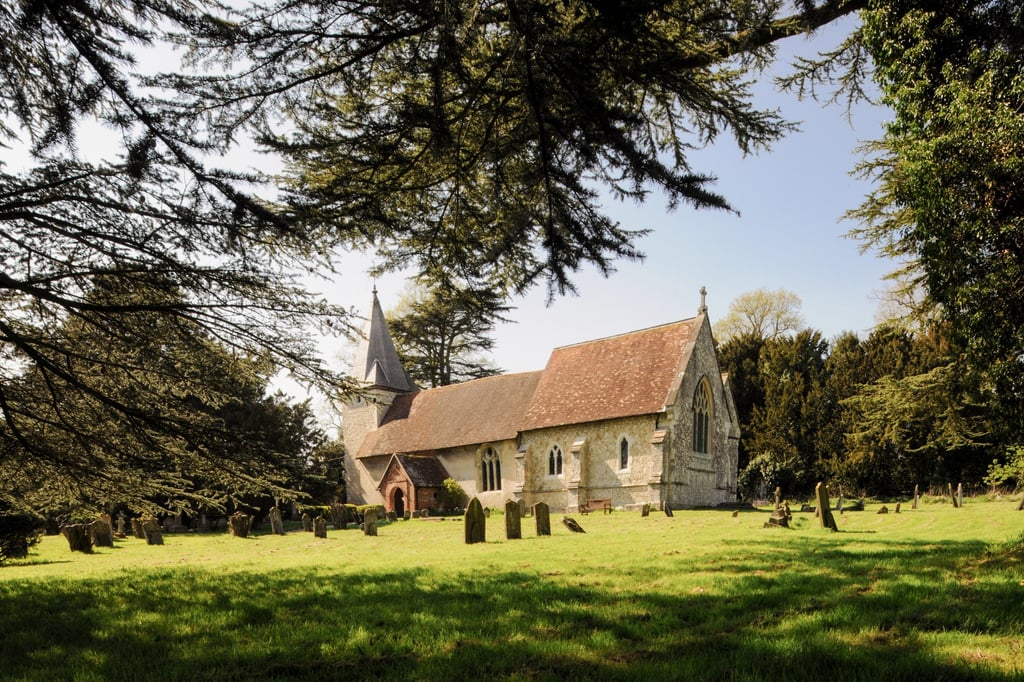
Steventon’s Church of St Nicholas, dating to around 1200, was where Austen’s father served as rector and where she worshipped for more than two decades Photo: courtesy Visit Hampshire

At the centre of Steventon, a 20th century red phone box has been cutely transformed into a Jane Austen information booth and on the outskirts, a silhouette of the novelist adorns the village signpost. But sleepy Steventon remains refreshingly free of brash tourism, perhaps helped by the narrow lanes that make it impossible to reach in larger vehicles.

Advertisement
Advertisement
Select Voice
Choose your listening speed
Get through articles 2x faster
1.25x
250 WPM
Slow
Average
Fast
1.25x