Growth Conversation: Chris Kyme on the local pioneers of the HK advertising industry
- Guest article from contributor Chris Kyme. Kyme is a co-founder & creative director and well-known figure in the Asian advertising sector. Kyme reflects on the advertising greats that inspired a new generation of local creatives to learn their craft.

A favourite topic which often comes up in conversations with advertising friends concerns the history, emergence and creative heyday of the industry in Hong Kong. A story I usually speak about with some authority, seeing as I have been privileged enough to play a part in it over the years, as well as having co-written a book on the subject.
It was while doing research for that book that I began delving further back in time than when I first started plying my trade in the local industry. Learning about some of the colourful characters who paved the way and were instrumental in, not only developing the local industry, but inspiring great, uniquely Hong Kong creativity along the way. After all, “Whoever wishes to foresee the future must consult the past” (Machiavelli).
Betty Church: The Submarine-Escaping Pioneer
In particular I’d like to mention a pioneering lady called Betty Church, who ran one of the most successful advertising firms as far back as the 1920s called the Advertising & Publicity Bureau Ltd. Her story is the stuff films are made of (indeed I found myself going through the casting options in my head when reading about her). Born on a ship, she grew up in Tientsin (now Tianjin) and Shanghai.
By all accounts she was a major force in the development of the advertising industry in Hong Kong and Singapore (the thrilling details of which I won’t go into here as the story just about warrants a whole book of its own). Suffice to say, she escaped the war by boat, was rescued by submarine, and returned to continue building a successful business that eventually was bought by US advertising giant D’Arcy‐MacManus & Masius in 1980.
The ‘Shaolin Monastery’ of Ling-McCann
Important to this historical journey also is the story of Ling-McCann, the company formed by the joint venture between China Commercial Advertising, founded by C.P. Ling from Shanghai along with his sons Bill and Ronnie, and another great American agency, McCann Erickson, in the early 60s. Ling-McCann became known as the “Shaolin Monastery” of Hong Kong advertising, where many future talents were groomed. Where they were schooled not only in the basic best practices of the industry, but grilled by professionals in the crafts of copywriting and art direction. Learning to walk before they could run off and build great careers. In those days many of the trainers were expat creative leaders who came and helped nurture the local generation that was emerging. People like (to name just a few) Stoney Mudd (at McCann), Clarke Mallery, Mike Fromowitz, Mark Hilltout, Richard Butt, Hans Ebert and Stasch Radwanski, the film director.
If there was a common thread among the early local pioneers, or shared characteristics, it was in their undaunted self-belief, coupled with an unwavering sense of ambition. They all had a destination in mind and nothing or nobody was going to stand in their way.
Masters of the Craft: Leonie Ki and Mike Chu
There was Leonie Ki in the 1970s and 80s, who I was fortunate enough to work under at Grey in my earlier years in Hong Kong. Leonie was highly respected for her craft in Chinese copywriting as well as playing craft-master to a new generation of local creatives learning the trade.
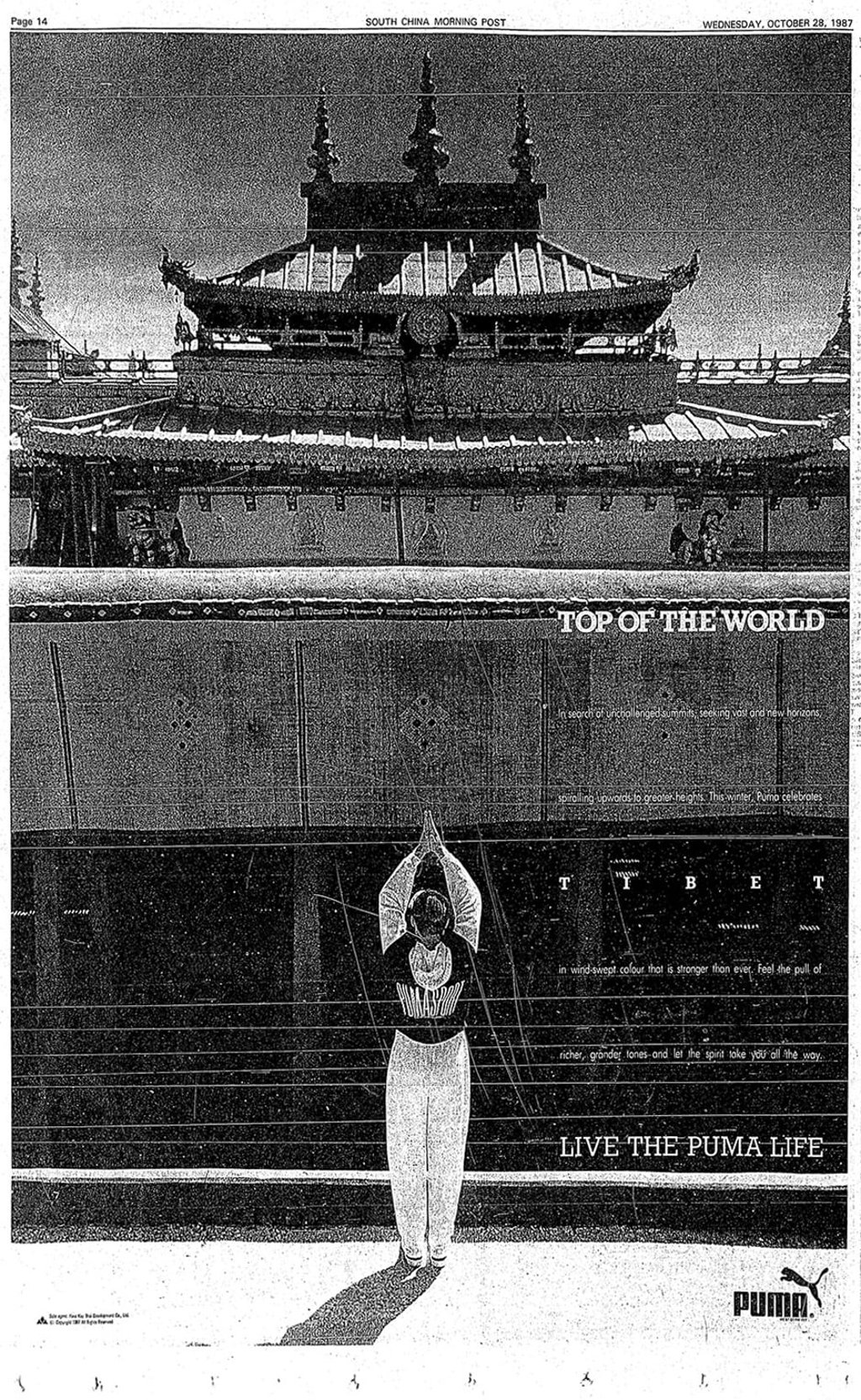
Then there was the late Mike Chu, husband of local actress Cherie Chung Chor-hung, who was co-founder of local creative shop Synergy, which went on to become The Ball Partnership, one of Hong Kong’s hottest shops back in the day. An absolute gent, Mike created stunning, visual campaigns for brands such as Sovil et Titus, Puma and Toshiba, and was highly respected internationally after being featured in a Wall Street Journal series on contemporary advertising greats. A generation of designers and art directors learned the principles of visual communications from him. Understanding the power of the print medium. How to craft layouts so that the viewers’ eye is directed to exactly where you want it to go first. Is it the headline, or the visual idea?
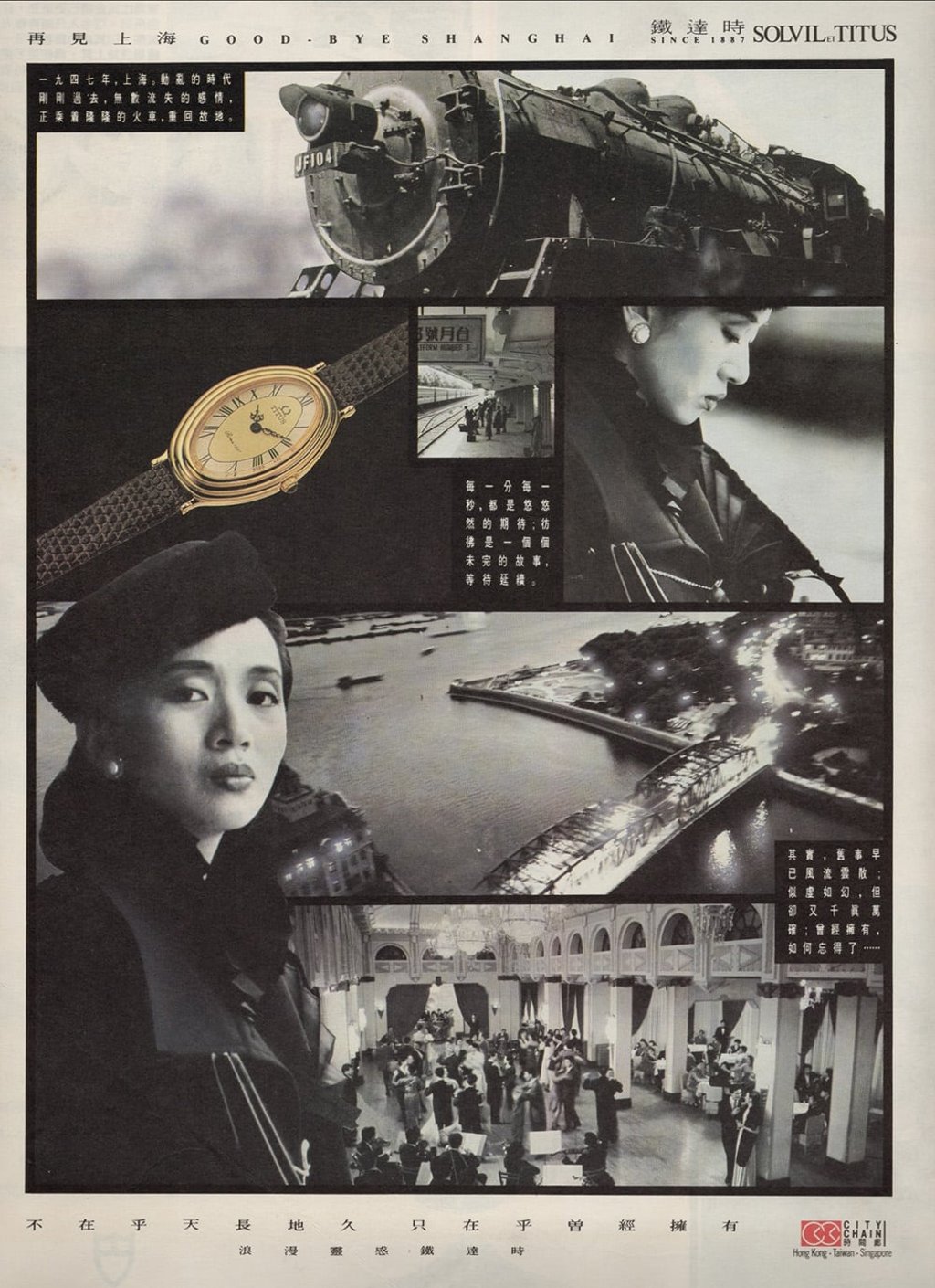
A true visionary, he moved on from the industry at the top of his game having sold his agency, but sadly departed this world way too young. He was an absolutely inspirational figure for talented local creative hopefuls to this day.
The Post-Production Visionaries
Talent can sometimes run in the family, and so it was with Mike Chu’s brother John Chu, who founded Centro Digital Pictures, which specialised in post-production services and where many of Hong Kong’s best TV commercials were finished and polished before going on air. John was a visionary who almost single-handedly dragged Hong Kong films into the digital age with his investments, and was recently recognised with a Lifetime Achievement Award at the HK Film Academy Awards this year, which he accepted in person.
Another pioneer in post-production services, who paved the way for a whole generation of film editors, was Tony Morias, who owned the editing house PPS. Many who trained under his meticulous eye are still running editing shops of their own to this day.
The Architects of the Chinese Creative Voice
Then there was the late Jimmy Lam, who started life as a Chinese copywriter, and went on to have a glittering career as an agency chairman and sometime film director. But it was his inspired vision in launching the Longyin Review, a regional publication which showcased, and therefore united, Chinese-language creative work across Asia. This led to him co-founding Longxi Awards, and Adfest Asia, two regional award festivals still going strong today. Jimmy was relentless about nurturing young Chinese talent.
Another master copywriter was CC Tang. Many of the brilliant creative generation of the 1990s and 2000s (some of the best Hong Kong advertising ever was created during that period) learned under him. CC is still around today and continues to teach at university. He knew how to make a powerful message with just a simple line, how to write copy that begged to be read.
Also, there’s Willde Ng, who was the first ever local creative ad-man to be appointed executive creative director of an international agency in Hong Kong (J. Walter Thompson), with memorable campaigns for brands like MTR and Hong Kong Telecom created during his tenure. Willde was passionate, driven, and expected his creative department to be the same. With his ubiquitous mop of silver hair, Willde was mad as a hatter, and is still busy to this day, whether it's writing books and newspaper articles or doing radio shows.
Storytellers Behind the Lens
Hong Kong always had great TV commercials shot by glorious directors such as Louis Ng and David Tsui, who were the main emerging local stars behind the camera, both of whom it could be said, everything they touched turned to gold. Louis was the more visual virtuoso. He could take any half-idea of a storyboard and turn in a work of stunning cinematic genius. David, on the other hand, was the master storyteller. The people director. Crafting commercials with often witty and very human dialogue (and still is to this day).
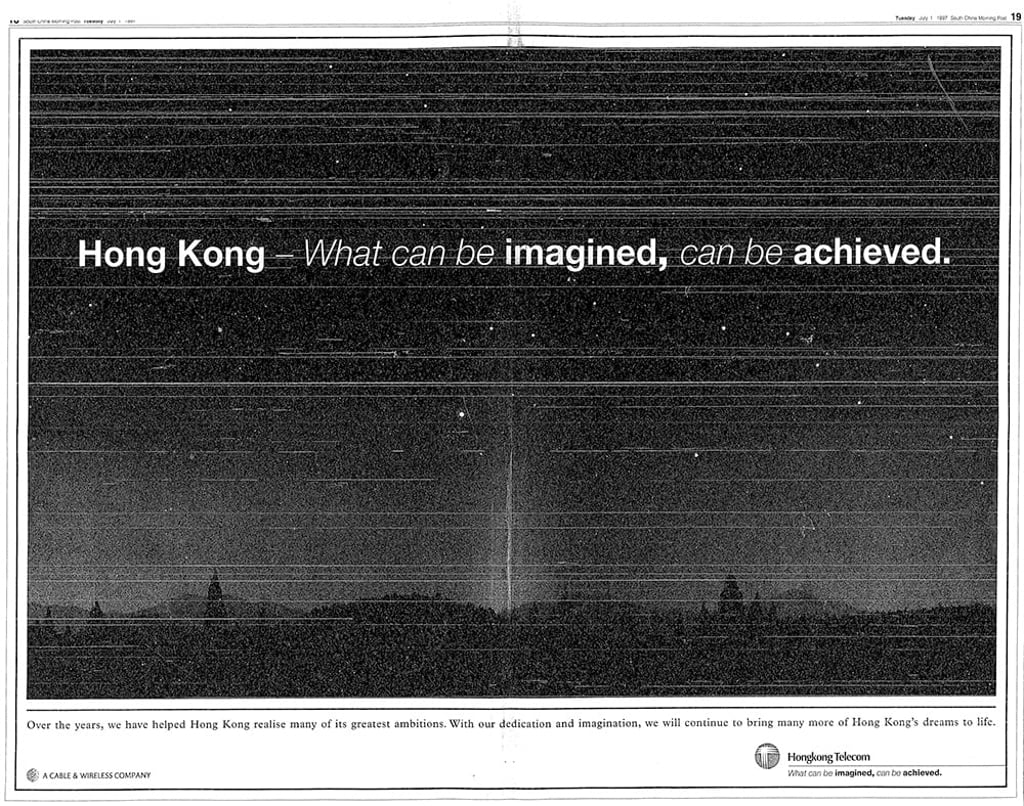
Although in today’s industry there is so much emphasis on digital media and data (don’t get me started), traditional media like print has not gone away. I believe in so many cases it could be used to much better and more powerful effect. By understanding how the greats of yesterday paved the way, and how they plied their respective trades, perhaps we could help to nurture the next generation of talent.