Top gourmet accolades affirm Hong Kong as a leading culinary capital
The city now has over 200 restaurants on prestigious lists by Asia’s 50 Best Restaurants, Michelin and the Black Pearl Restaurant Guide

[The content of this article has been produced by our advertising partner.]
Hong Kong’s dining scene has been celebrating one of its most action-packed seasons of late, with March notably seeing the launches of a series of renowned dining guides and award ceremonies.
More than 200 Hong Kong restaurants have been recognised in internationally acclaimed gourmet lists for 2026, including Asia’s 50 Best Restaurants, the Michelin Guide and the Black Pearl Restaurant Guide. These accolades further cement the city’s status as a culinary capital of Asia.
Asia’s 50 Best Restaurants presented its 2026 list on March 25, and Hong Kong delivered a commanding performance, with The Chairman, a high-end Cantonese restaurant, and Wing, which focuses on Chinese cuisine with a contemporary twist, claiming the first and second spots respectively, showcasing the city’s unrivalled strength in Asia’s dining scene.
Other Hong Kong restaurants ranked in the top 50 are Neighborhood at No 24, Estro at No 32, Caprice at No 35 and Mono at No 46. In addition, the list’s extended rankings of 51 to 100 include Ta Vie at No 68, Vea at No 70, Andō at No 88 and Amber at No 90.
For the first time since its inaugural edition in 2013, the Asia’s 50 Best Restaurants awards ceremony was held in Hong Kong – a milestone made possible with the support of the Hong Kong Tourism Board (HKTB) as the destination host partner.
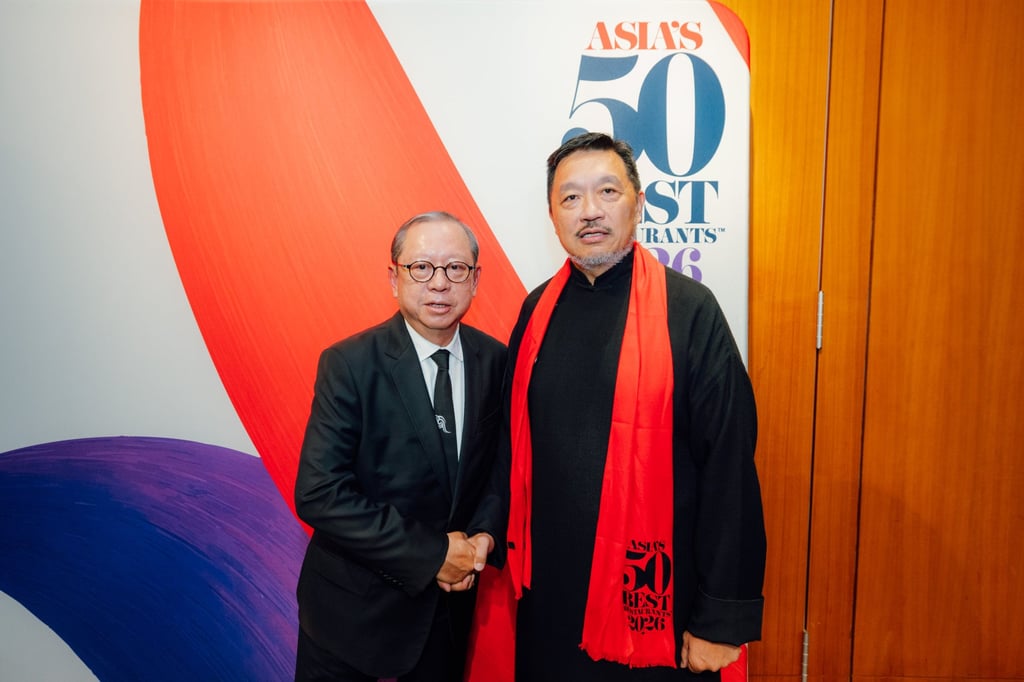
“We extend our sincere gratitude to the Asia’s 50 Best Restaurants team for selecting Hong Kong for the first time as the host city for the awards ceremony. This international award recognises the outstanding achievements of the culinary sector. I am very proud of Hong Kong’s remarkable accomplishments in this year’s rankings,” said Peter Lam, chairman of HKTB.
“Together with the Michelin Guide Hong Kong and Macau 2026 and the 2026 Black Pearl Restaurant Guide, over 200 restaurants have been listed in these internationally acclaimed gourmet guides, reaffirming Hong Kong’s position as a culinary capital in Asia,” Lam continued. “We are delighted to welcome the esteemed Asian chefs and other culinary professionals attending the awards ceremony to Hong Kong, and we warmly invite everyone to explore the city’s unique and diverse gastronomic charm by following the master chefs’ curated recommendations featured in the citywide Taste Hong Kong gourmet guide.”
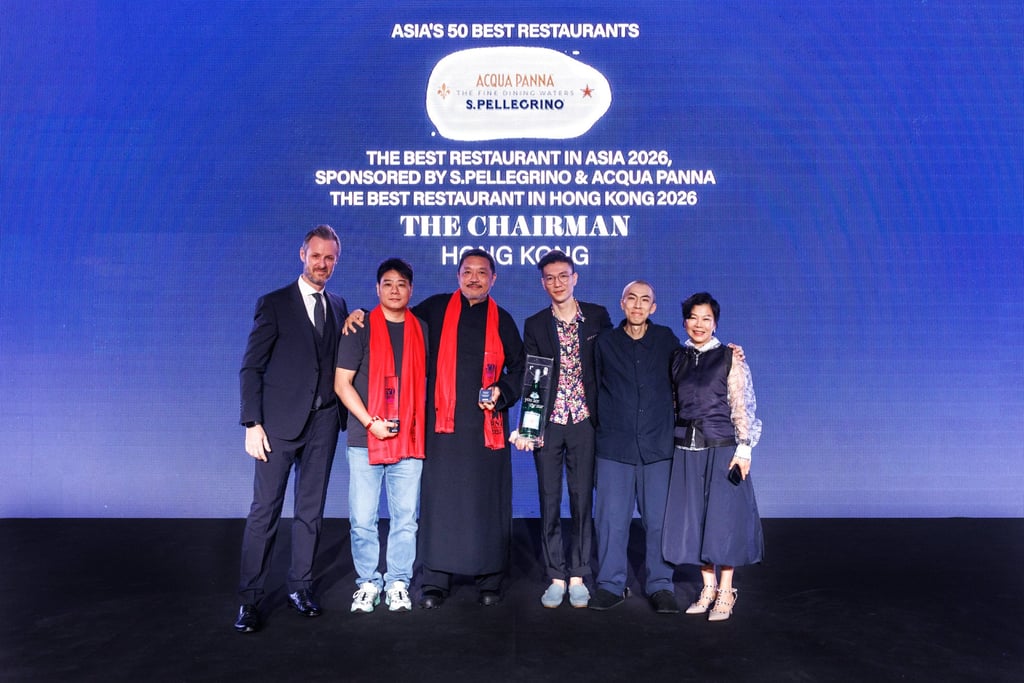
Danny Yip, owner of The Chairman, said: “Being named The Best Restaurant in Asia for the second time is a huge honour for our entire team, and to achieve it here in Hong Kong makes it even more meaningful. This recognition – as well as the strong results for the city on this year’s list – reflects the depth and diversity that define Hong Kong’s dining culture today. It’s a privilege to represent our city in this way and to continue sharing the traditions and stories that shape our cuisine.”
Hong Kong has long performed well on the list. Last year, seven of its restaurants ranked among Asia’s top 50, with another six landing in the 51-to-100 rankings. The placements are based on votes from an academy of more than 350 chefs, journalists and gastronomes from across the region.
With the world’s top chefs and media in town for the Asia’s 50 Best Restaurants awards ceremony, HKTB organised a series of experiences extending beyond the event. Food and travel journalists from mainland China, Taiwan, South Korea and Southeast Asia invited to the awards were given the opportunity to explore the city’s food scene.
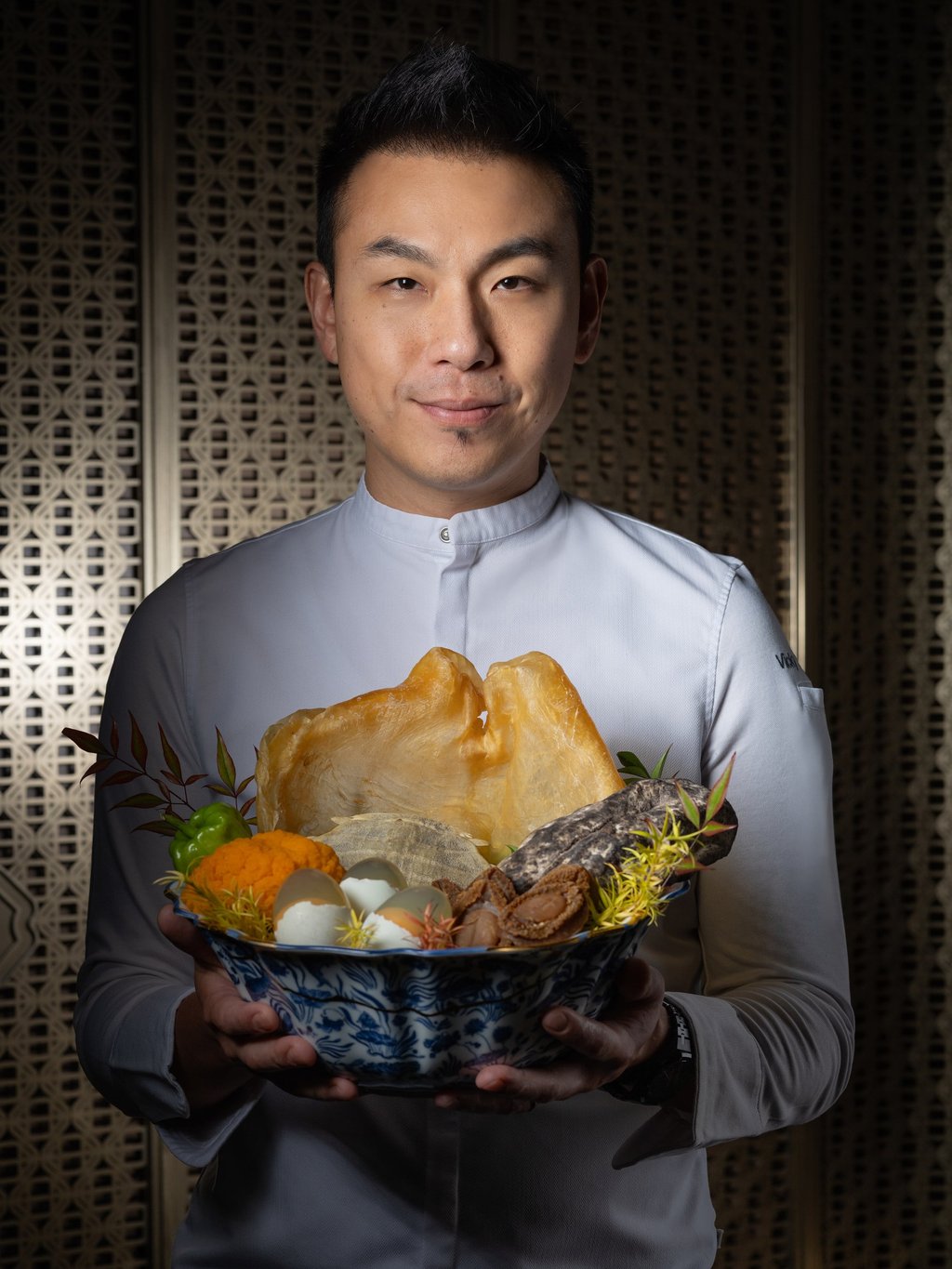
The special itinerary featured a conversation with chef Vicky Cheng, founder of both Wing and the one-Michelin-star French-Chinese fusion restaurant Vea, about where Hong Kong dining is headed. Other activities included a dim sum masterclass with Adam Wong Lung-to, executive chef of the three-Michelin-star Cantonese restaurant Forum, plus a workshop on Hong Kong’s signature egg tarts by the local bakery brand Bakehouse.
Capitalising on the opportunity presented by having a major culinary event hosted in Hong Kong, HKTB also arranged exchange sessions between leading Asian chefs and renowned local talent, enabling them to experience the city’s diverse gastronomic offerings and to produce promotional videos dedicated to the promotion of food tourism in Hong Kong.
Ahead of these awards and activities, the 18th edition of the Michelin Guide Hong Kong and Macau was unveiled on March 19, which saw 77 Hong Kong restaurants earn stars. Seven establishments retained their three stars, while Cristal Room by Anne-Sophie Pic was promoted to two-star status. L’Atelier De Joël Robuchon was also elevated to two stars, having reopened in 2025 with refurbished interiors. China Tang and Sushi Takeshi are new additions to the list, each receiving one star.
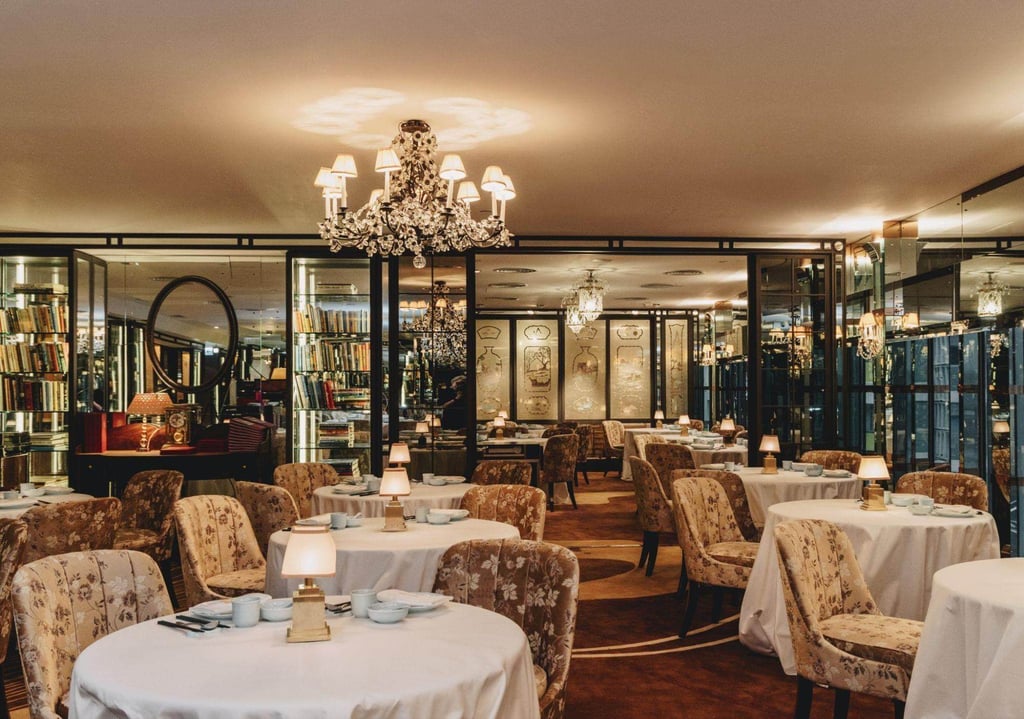
This year also marks the 100th anniversary of the Michelin star system, which has become the world’s most recognised culinary benchmark since it was first introduced in 1926.
Meanwhile, the Black Pearl Restaurant Guide has emerged as another internationally recognised authority. Established eight years ago by Meituan, one of China’s largest shopping and food‑service platforms, it features a three-diamond ranking system backed by panels of culinary experts and industry figures.
The guide covers 31 Chinese cities, including Hong Kong and Macau, as well as Bangkok, Tokyo and Singapore. Hong Kong has had selections on the list since 2019, earning recognition for its Cantonese roots and international outlook.
Last year, a record 37 Hong Kong restaurants received Black Pearl ratings – up from 31 the year before – with The Chairman appearing among the city’s three-diamond stand-outs.
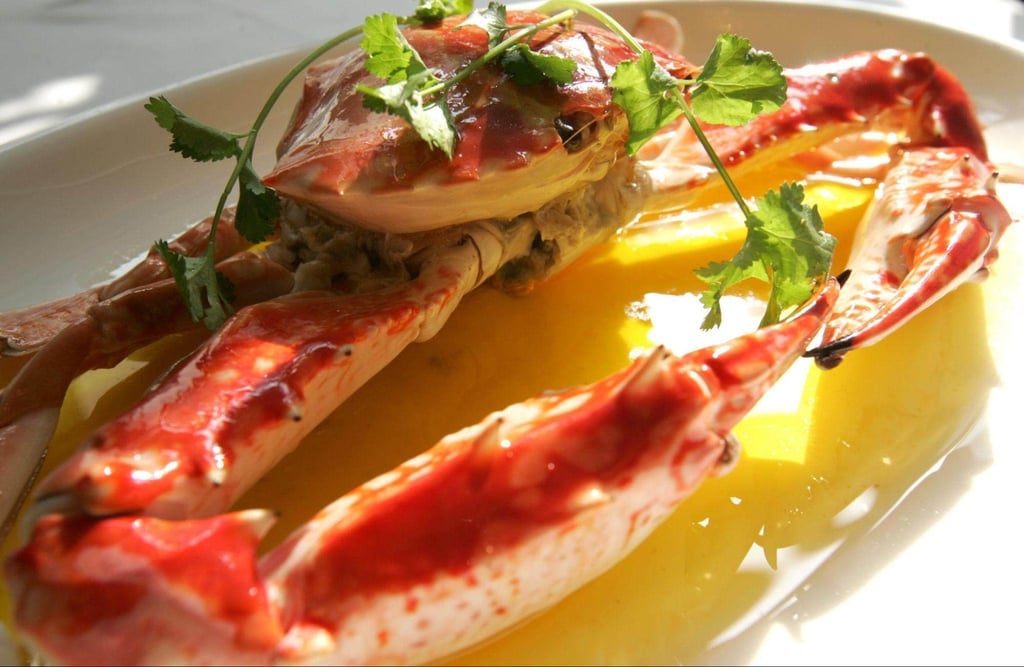
The city made another strong showing in the 2026 list, which was revealed on March 23. Thirty-nine Hong Kong restaurants earned Black Pearl acclaim, including four new additions to the one-diamond list: Leela, Man Ho Chinese Restaurant, Jee and Mosu Hong Kong.
Black Pearl also honoured two Hong Kong chefs with special awards. Cheng was presented with the Master Chef Award. Ho Kai-tung, chef de cuisine at Amber, received the Young Chef Award.
These selections once again highlight the city’s pre-eminence as an international dining destination, where culinary cultures from different regions of China and all parts of the world converge.
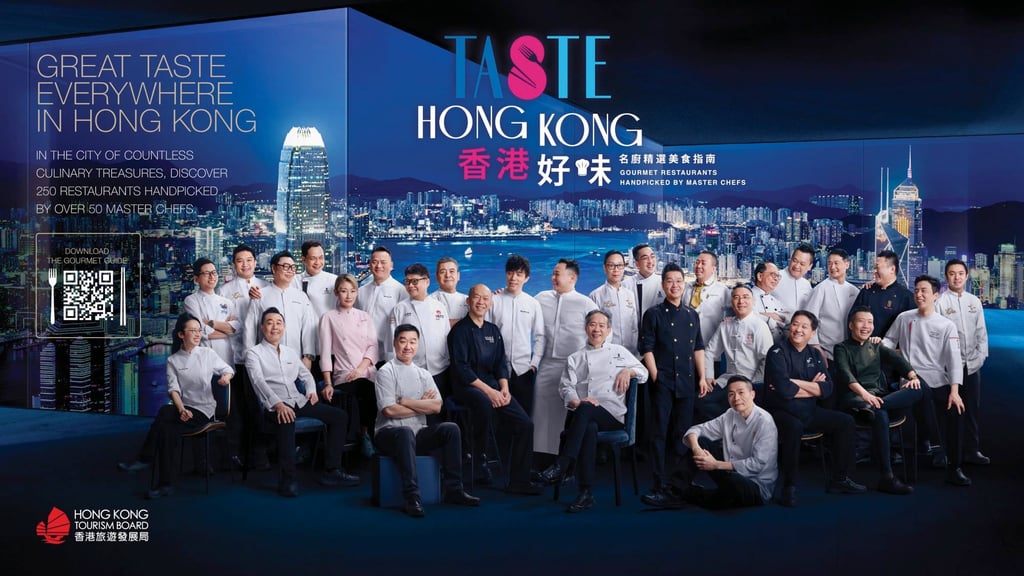
Beyond the headline-grabbing accolades, the city’s gastronomic vibrancy is also reflected in the long-running Taste Hong Kong gourmet guide, which has been engaging locals and visitors since the start of the year. Things began in January with the publication of the guide, which features local restaurants recommended by more than 50 master chefs, including many alumni of the city’s Chinese Culinary Institute. The list of 250 recommended establishments is divided into different neighbourhoods and spans a diverse range of cuisines, dining styles and price points.
“[Taste Hong Kong] gives local chefs an opportunity to collaborate as we contribute to the Hong Kong tourism industry while introducing the spirit of craftsmanship and exquisite skills in Hong Kong’s food culture to global visitors,” said Wong of Forum restaurant, who contributed to the guide.
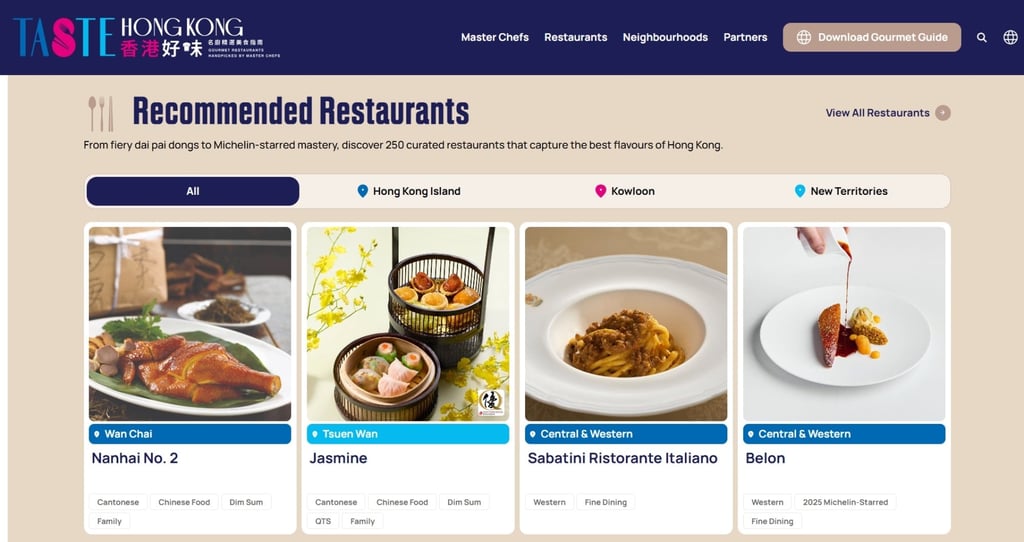
The guide’s selections reflect the dynamism of Hong Kong’s restaurants, with names ranging from Michelin-star winners and hotel dining rooms to the city’s iconic dai pai dong street food stalls and cha chaan teng cafes. They seek to showcase the qualities that make Hong Kong a long-standing culinary capital, where an authentic street food culture coexists with a fine-dining lifestyle.
The Taste Hong Kong guide is the latest in a series of HKTB initiatives that also include the annual Hong Kong Wine and Dine Festival, which brings together hundreds of restaurants for a harbourfront mega-event plus numerous curated experiences across the city. Last year’s festival attracted about 163,000 visitors to the Central Harbourfront Event Space over four days.
“I enjoy wandering around the city in search of new flavours,” said Lee Man-sing, another one of the master chefs who contributed picks to the guide. He is group Chinese executive chef of the acclaimed restaurant brand Mott 32, which is known for blending traditional Cantonese, Sichuan and Beijing cooking with modern Western techniques.
Lee added: “The Taste Hong Kong gourmet guide compiles restaurant recommendations from a group of chefs, enabling visitors to experience Hong Kong’s diverse and exciting food culture.”
With the Taste Hong Kong campaign laying a strong foundation, HKTB has been spotlighting the diversity of Hong Kong’s culinary identity across television and social media platforms. In mainland China, Shenzhen TV aired a Chinese New Year programme featuring restaurants from Taste Hong Kong, as well as visits to the streets of dried seafood shops in Sheung Wan and the kitchenware shops of Kowloon’s Shanghai Street.
For New Zealand’s current affairs programme Seven Sharp, viewers were taken to Sham Shui Po for pineapple buns – so named for their appearance, not their flavour – and milk tea, and then to Tai Ping Koon Restaurant for Swiss chicken wings, which got their name from a waiter’s mispronunciation of the word “sweet”. Similar programmes have aired in Taiwan, South Korea, Thailand and the Philippines.
In a month packed with global recognition, bold promotion and citywide buzz for its food scene, Hong Kong has proven once again why it is known as a culinary capital like no other in Asia – offering a taste that can only be found here.