Why it’s time to get serious about restoring mainland China’s wetlands and protecting freshwater biodiversity
- Rapid expansion and development of nation’s cities has led to destruction of important rural areas that are home to many plant and animal species
- Ecologist Wen Cheng works with HSBC to repair ecosystem in Guangdong’s Pearl River Delta region to prevent biodiversity loss, flooding and pollution
[Sponsored article]
Mainland China’s rapid economic growth famously exceeded the world’s expectations. Since 1978, the country’s gross domestic product has increased at an average rate of almost 10 per cent a year and lifted more than 800 million of its population out of poverty, the World Bank has reported.
However, such significant social development, involving reclamation, overgrazing, industrial contamination and urban pollution, has inevitably had an adverse impact on the land’s plant and animal life that continued into the start of the new millennium.
“As the surrounding environment changes rapidly, I’ve witnessed the extinction of several species, in particular wetland species such as the Chinese paddle sturgeon,” says Dr Wen Cheng, who has a doctorate in biology and is general manager of Jinglang Ecology, a company that carries out spatial ecological data analysis and restoration projects across the country.

Studies show that the country’s natural wetland areas have been reduced by more than 35 per cent since the late 1970s. Wen warns that if wetlands – bodies of freshwater that are less than six metres deep, which play a vital environmental role – continue to be at risk, the natural world will face long-term consequences.
“We simply cannot live without wetlands,” he says. The loss of wetland areas means shores become increasingly prone to erosion from wave action, flooding occurs more frequently, and water quality deteriorates. Perhaps more importantly, wetlands provide a rich habitat for a wide range of plant and animal species.
Threat of alien invaders
Wen is determined to protect wetland areas in Guangdong’s Pearl River Delta from further damage and has been working with HSBC since 2019 to help restore the region’s wetland biodiversity through the Shaping River Project and two other programmes in Guangzou and Heshan. His team was tasked to create an ecosystem to support the area’s local water environment and reintroduce plant and animal species.
“The first thing I noticed about Shaping River is that its ecosystem is unstable, similar to other rivers in Guangdong,” Wen says, citing the widespread presence of non-native freshwater plant and animal species as the main cause. “The introduction of these alien or foreign species into the wetlands by humans and their activities threatens the survival of the native species.”
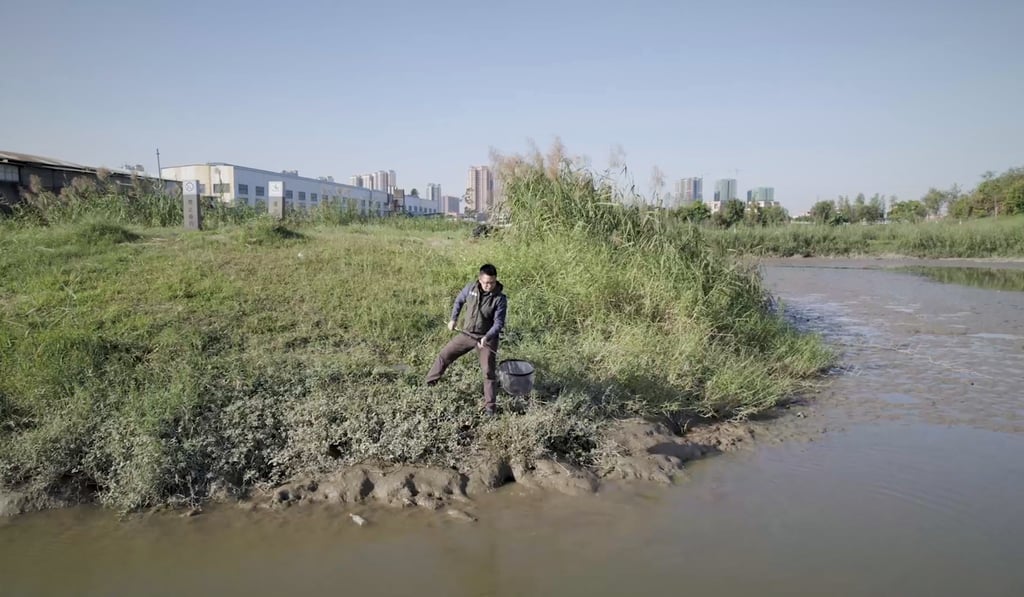
Alien plants or animals can be invasive and overwhelm native species when competing for wetland habitat space or food, which upsets the ecological balance in the wetlands.
Shaping River now serves as a successful example of ecosystem restoration, with the local government helping to stop polluted water from local industries discharging directly into the river, which has made it possible for native water species to survive.
Over the past year, Wen and his team have also been working with the support of HSBC, the local government and community groups to ensure that more than 50 per cent of the area’s residents are aware of the project and have taken part in it.
Signs have been put up along the river to educate people about the dangers that alien species pose to native plants, fish, birds and insects, and why they should be protected.
Conservation is everyone’s responsibility
These days, Shaping River has become a popular place for birdwatching and fishing among local people. Wen says a variety of different animals that had previously disappeared from the river, including more than 10 fish, three shrimp and one crab species, have returned and are living stably.
Invasive species have also been brought under control, while the cleanliness of the water along stretches of the river has been improved so it is of “drinking-water quality”, he says.
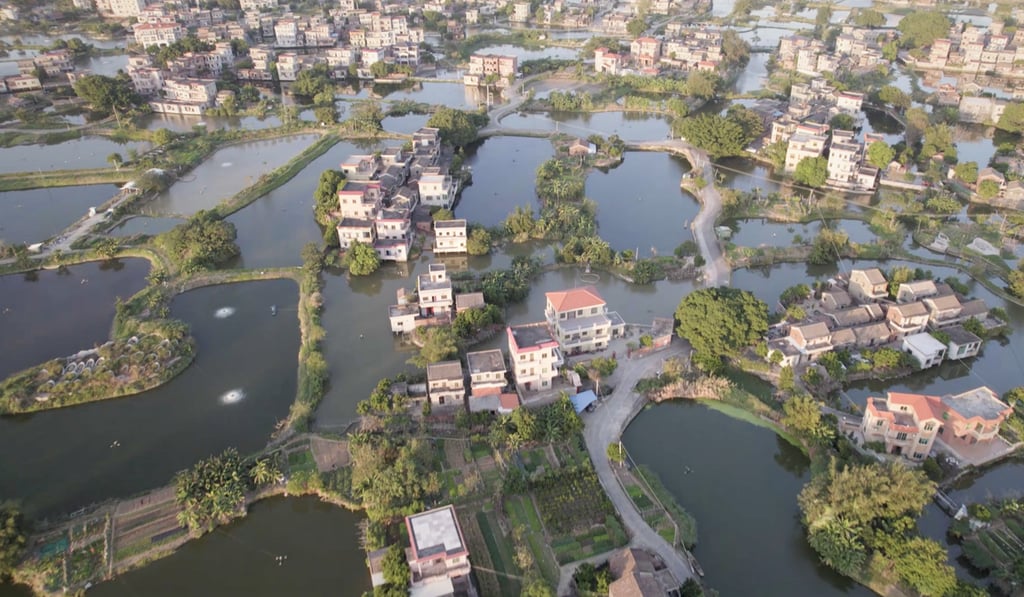
Wen has also organised a series of hands-on activities for HSBC volunteers to teach them how to carry out biodiversity monitoring and water testing so they can better understand the importance of wetland restoration projects.
Since 1999, HSBC has donated about US$47 million to more than 10 environmental protection initiatives in mainland China involving freshwater biodiversity, environmental education and advocacy of a low-carbon life and green communities.
The support has achieved promising results. More than 7,600 square km (2,960 sq miles) of wetlands in mainland China have been protected, with water quality improved and the reintroduction of a number of native species that were initially thought to have become extinct.
“Ecological restoration is a social issue,” he says. “If people think that conservation has nothing to do with them then no protection projects can continue. Only when wetlands are protected can the connection between human and nature be restored.”
Wen’s ultimate goal is for the project to expand throughout mainland China. “For the next step, I hope more and more local governments will also be willing to adopt our technologies in wetland parks to increase the number of birds and fish across the country,” he says.
Watch the video as Wen Cheng shows how the Shaping River Project is helping to restore mainland China’s wetlands.