How one rural village in mainland China is breaking the cycle of ‘left-behind’ children and leading mothers back home
- Many parents in rural parts of mainland China have to leave their hometowns – and families – to work in cities, which can affect children’s development
- With the help of an HSBC-funded programme, a single mother was able to start a business in her Guangdong village and remain with her daughter
[Sponsored article]
Nine-year-old Liang Yonger loves books, and her favourite activity is reading fairy tales with her mother.
But this girl growing up in Changliu village in Guangdong province knows that is a pleasure many of her friends do not get to enjoy, as they are “left-behind” children. In this rural village, these children are being raised by grandparents or other relatives because their parents have moved away to work in distant cities.
“I don’t think they’re actually happy, because it has been a long time since they have seen their parents,” Yonger says.
She understands their feelings because she was once a left-behind child herself. Her mother, Liang Manchan, had to leave the village to find work that would financially support her family. Yonger was left in the care of her grandparents during that time.
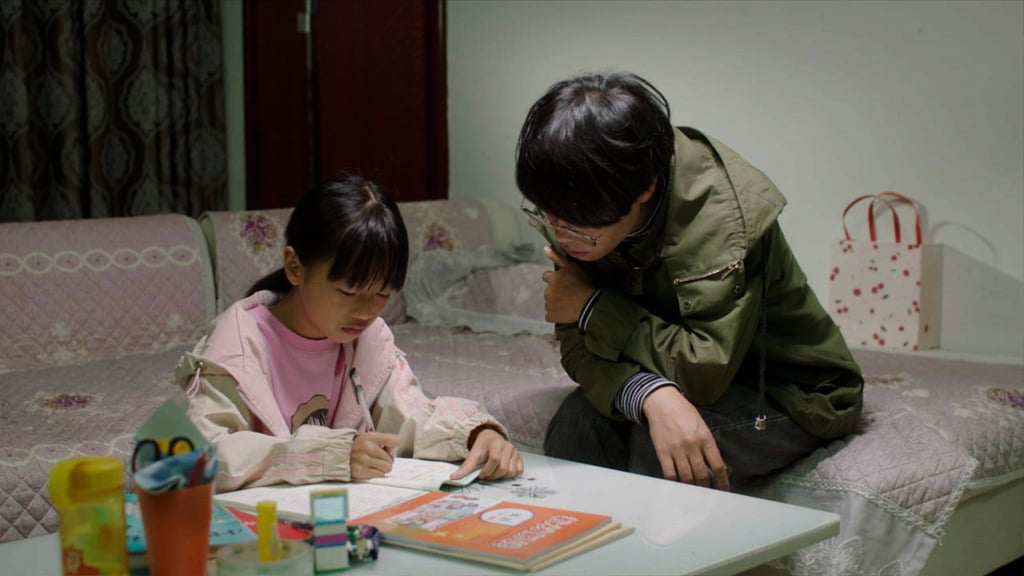
Liang, who is a single mother, recalls: “Every time I came back home, I would see her all dirty, and she often ran outside to play instead of studying. It made my heart ache, and I felt I should come back to take care of her.”
After returning to Changliu village, Liang saw that there were many other children in a similar situation. In 2017, she decided to join the village management committee, a grass-roots semi-government agency, and has since taken on the role of director of children in order to help with the emotional well-being and development of those left-behind children.
Supporting children and mothers alike
Liang reached out to a community partner of HSBC that focuses on improving the lives of women and children in Guangdong’s rural areas, and it helped to establish a library that provides the children with a place to gather.
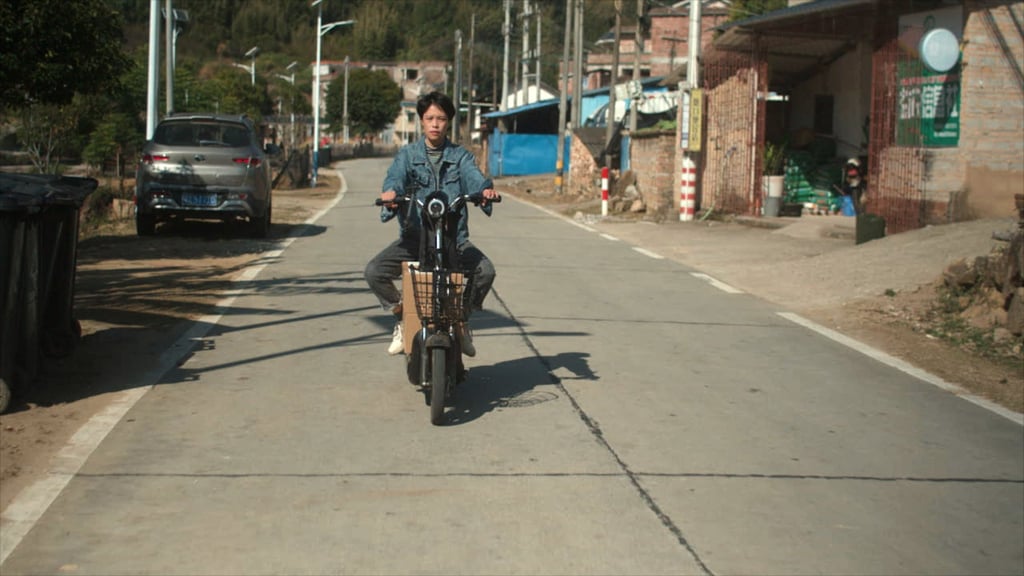
“Before, they had nowhere to go, and they would only watch television and their mobile phones. Now, they turn off the television and come to the library,” Liang says. “They made a lot of friends there … it is like a little family to them.”
In addition to helping left-behind children to find companionship, the foundation also empowers rural women with new economic opportunities in their home villages – that way, they will no longer have to leave their children in order to earn a living.
When Liang decided to give up her job and return home to her daughter, her countryside village offered few ways to earn money other than through agriculture.
As this is a common situation among women in rural China, HSBC is helping to teach them agricultural skills, by collaborating with the same community partner that built the village library. Liang joined one such training programme in Guangdong province and learned about ecological planting, which avoids the use of pesticides and fertilisers in order to grow more organic crops.
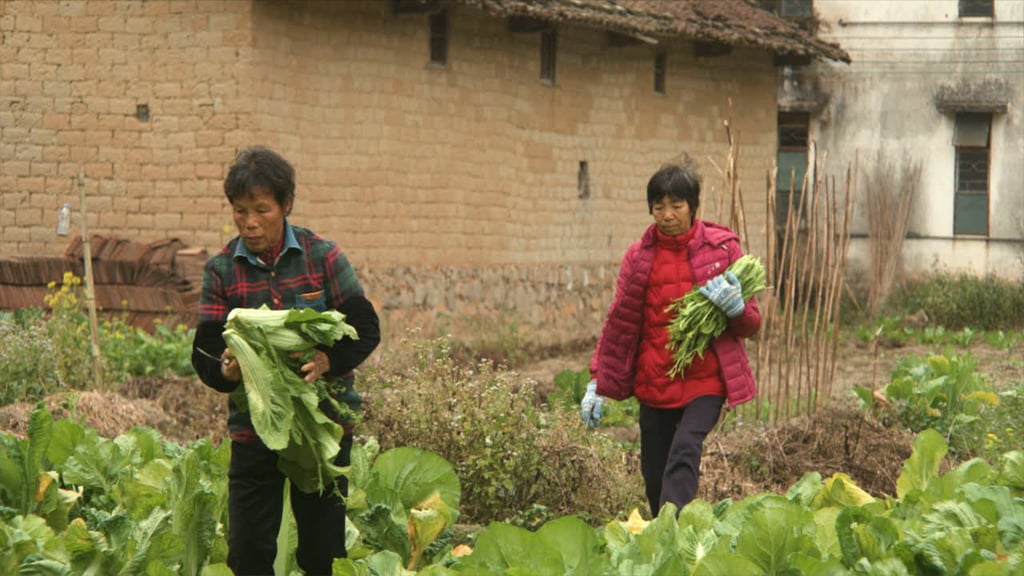
With these new skills, Liang obtained her own plot of land and started planting crops. That allowed her to eventually start her own agricultural business, for which she regularly gets sales advice from the friends she made at the training programme.
A year after launching her business, Liang applied for a grant from the HSBC-funded project so that she could further her knowledge about ecological planting and also purchase a lawnmower to make her business more efficient.
Today, Liang cherishes her economic independence, as it means that she never has to leave her daughter behind again. “We are basically together all the time, and I feel very blessed,” she says.
The financial and personal success that Liang has achieved in her hometown is inspiring other women in Changliu village to follow her lead. “I hope they can increase their knowledge and become more independent,” she says.
Watch the video as Liang Manchan explains how the women in her village in rural Guangdong province are able to build better lives for themselves and their children.