4 reasons Sino-British university education in Suzhou, China, increasingly appeals to international students
- Two Xi’an Jiaotong-Liverpool University graduates say studying in the UK and China offers global perspective and the ‘best of both worlds’
- The university’s international, multicultural environment and holistic approach to education helps prepare students for future success

[Sponsored article]
Against the backdrop of China’s growing global economic influence, many students are noticing the benefits of a university education in the populous East Asian country.
Xi’an Jiaotong-Liverpool University (XJTLU) – a leading joint-venture university founded in 2006, in Suzhou, Jiangsu province, to the west of Shanghai – offers its students a flexible international academic experience, which features the essence of both of its parent universities. All of its degree programmes are taught completely in English.
XJTLU is a partnership between the University of Liverpool in the United Kingdom – a member of the Russell Group of leading British universities – and Xi’an Jiaotong University in Xi’an, Shaanxi province, which is widely recognised as a Chinese Ivy League institution.

We talk to two XJTLU graduates who reveal four of the advantages they found while studying at the university.
1. Great opportunity to enjoy ‘best of both worlds’
The university’s 2+2 academic programme, in which two years are completed at XJTLU and the next two at the University of Liverpool, has proved hugely attractive to undergraduates.
Chinaemerem Uju Onyishi, a PhD candidate at the University of Birmingham in the UK, and XJTLU alumna who graduated with a bachelor’s degree in biological sciences, says she was intrigued by the chance to savour university life in two different countries.

“That option to try out studying in a different country, in a different continent, in a different city was a huge reason why I chose this school,” she says.
Onyishi, 21, moved from Abuja, Nigeria, to China at the age of 11 with her family and spent six years living in the capital, Beijing, before choosing to study at XJTLU. “[Starting university] in China first helped me settle into university life before jumping into a whole new experience, a whole new country,” she says.
Fincent Sumiko, 26, a key account manager at the e-commerce company JD.ID, in Jakarta, Indonesia, who graduated from XJTLU with a master’s degree in project management, also saw the appeal of being exposed to two different education systems.
As a student, it was always his dream to attain a British degree. “The British education system is one of the best in the world,” he says.
He also wanted to learn about Chinese culture and the Chinese language, because China “has a lot of impact on the Southeast Asian [business] market”. Mainland Chinese people currently make up 90 per cent of his clients, he says.
2. Warm and welcoming student experience
XJTLU is located in Suzhou Dushu Lake Science and Education Innovation District – the base of many leading international companies, which is known as “China’s Silicon Valley” – about 25 minutes’ train ride from Shanghai.
Suzhou – a fast-developing city, which is home to modern shopping malls and a thriving performing arts centre – is a popular tourist destination known for its stunning network of criss-crossing canals, lakes and rivers, stone bridges, elegant pagodas and 50 classical gardens, including nine that are recognised on the Unesco World Heritage List.
“Suzhou was a really nice city to explore,” Onyishi says. “It’s very beautiful. They have a lot of canals or waterways,” says Onyishi.
“One of my favourite things about the school was the campus and its clean environment. You could also just take a trip to Shanghai whenever you wanted, so the location was perfect.”

Sumiko says the large number of major companies and exhibitions located in Suzhou influenced him in choosing to study at XJTLU because it offered him the potential for networking with future business contacts.
Adjusting to life in a new city was never a problem for Sumiko, who says he enjoyed very positive experiences whenever interacting with Suzhou’s residents.
“In restaurants or on the subway, if I needed help, they would help us,” he says. “They are very welcoming.”
To help new students feel at home, XJTLU offers a “buddy programme” which pairs them with more senior students, Onyishi says.
“These buddies are tasked to help you get around the city and help you if you need anything,” she says. “Because I was paired with a Chinese student, it was a good way for me to learn more about [the] Chinese culture and language.”
3. Great foundation for the real world
XJTLU graduates are well-placed when looking for work or further academic study. Last year, more than 38 per cent of its graduates who chose to pursue further studies were enrolled at a global top 10 university. Some other graduates, who have started work, are now employed at the world’s top 500 companies.
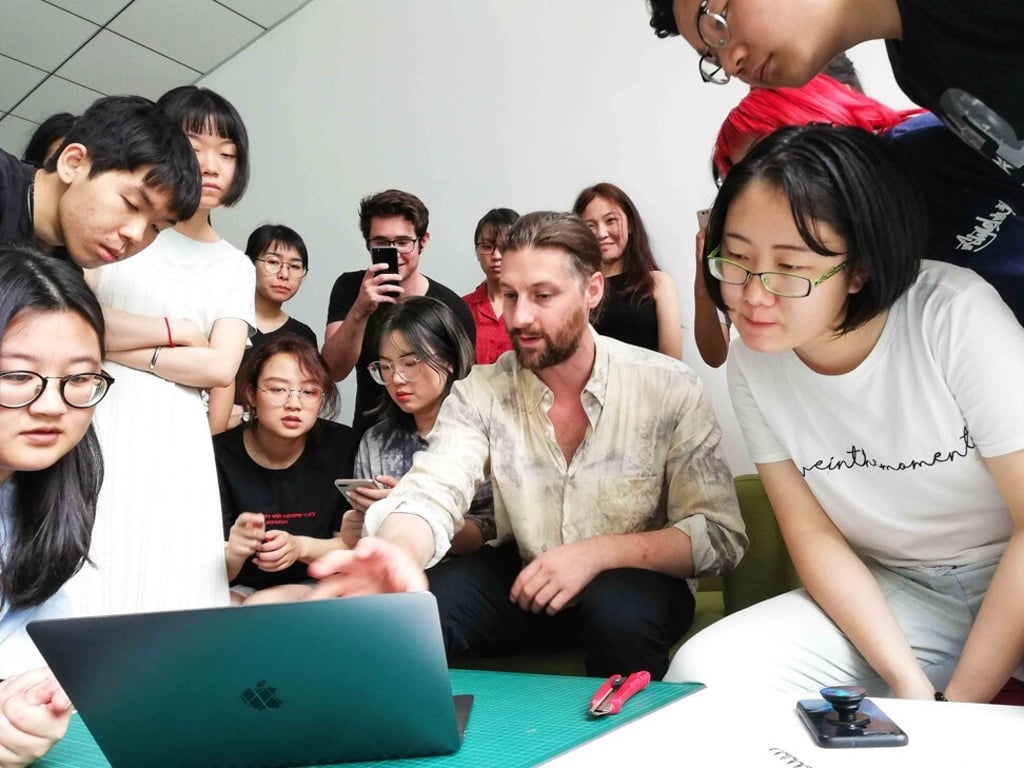
Sumiko says XJTLU’s project management curriculum is designed around frameworks from leading organisations, including the International Project Management Association, the Project Management Institute and the Association for Project Management, which give students a clear pathway to approved industry certifications.
For Onyishi, XJTLU sparked her lifelong passion for scientific research.
“XJTLU definitely helped me focus on what I was interested in career-wise,” says Onyishi, who is now researching the immune response to the Cryptococcus infection.
“[The] classes on microbiology really helped me [understand that] microbiology is something I’m really interested in [and] that’s something I’ve gone into now as a PhD student.
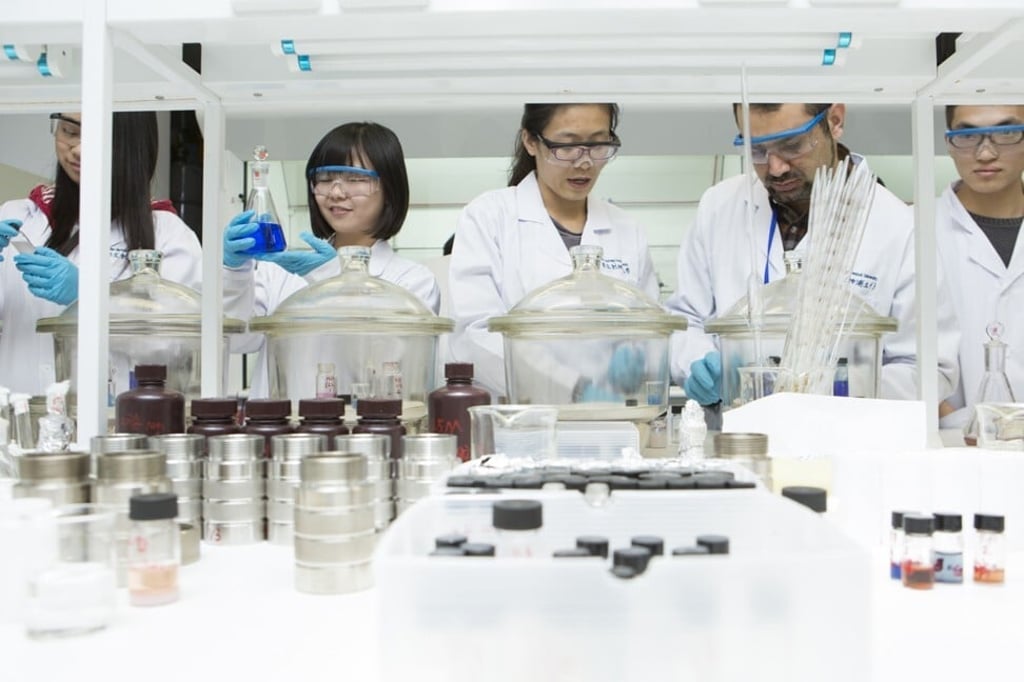
“[At XJTLU] there are a lot of research labs and many professors are researchers themselves, whom you could volunteer to work with in their labs over the summer. There are a lot of opportunities to gain experience and to help you further define your career goals.”
Sumiko says another attraction of the university is that it does not focus solely on academic pursuits. It requires students to gain points by taking part in extracurricular activities at some of its more than 100 clubs, which include interests such as rugby, photography – even K-pop music – in addition to their degree studies.
“XJTLU prepares us to face real global situations because we are not just learning the theoretical way [of solving problems], but we learn experientially, based on real-life situations,” he says.
“I joined a lot of international students’ associations to apply the theories that I learned in university to real life, because for me, the best thing is to learn by doing.”
Onyishi says XJTLU also helps prepare students to find employment through its career services.
“They’re very hands-on in helping students gain work experience and get jobs after graduation [and] they can help you with your résumés and cover letters,” she says.
4. Rewarding international academic environment
XJTLU currently offers the largest student population of any Sino-foreign university in China, comprising 18,000 students from 90 countries.
“You get to learn about people from so many different countries, so many different traditions and cultures, and that has widened my perspective of the world,” Onyishi says.
“Whenever I’m having conversations with people, I can always [draw on] the things I’ve learned from just being exposed to such a wide range of people. Especially in this [globalised] world – just understanding different people and different cultures is very beneficial.”
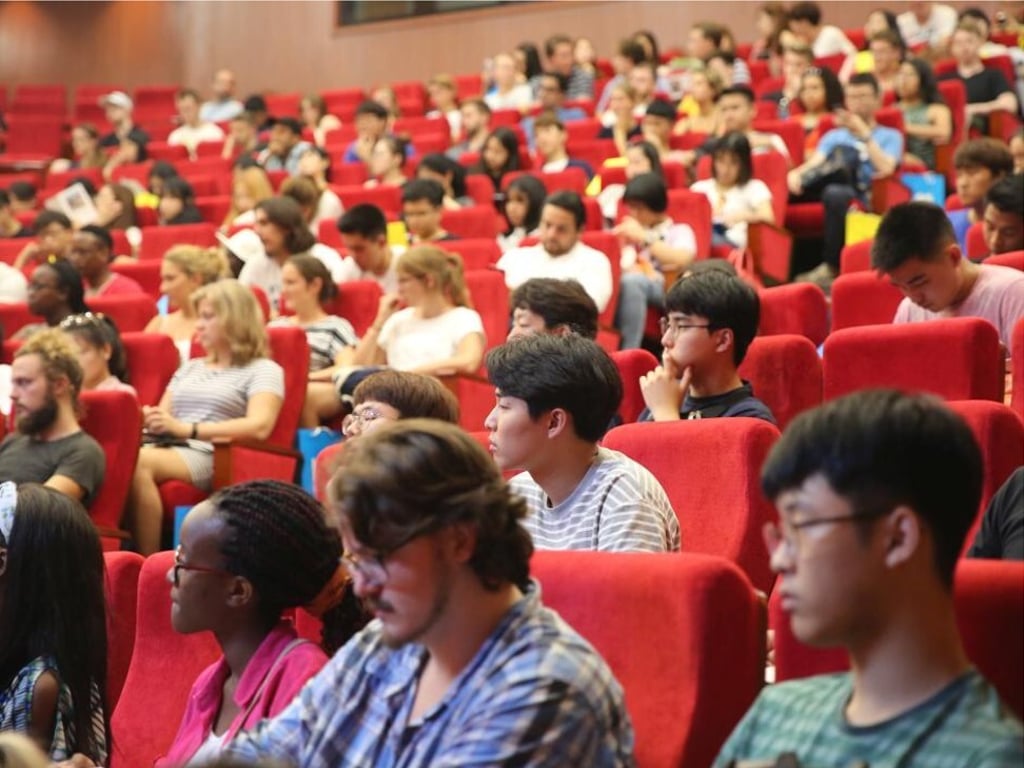
Similarly, Sumiko says he “loved the experience there” because of its diversity. “[On my project management course], I was the only Indonesian student,” he says. “There were people from Kazakhstan, Russia, Thailand and China. It helped me understand how their countries work [and how they think].”
Onyishi’s cultural experiences also proved memorable. She remembers a “really fun” activity during one of the university’s free Chinese classes, where groups of students cooked the popular Chinese dish gong bao ji ding, or kung pao chicken, of diced chicken, peanuts, vegetables and chillies stir-fried in a sweet, spicy and sour sauce.
“It was great to gain that practical experience and learn to make a dish I had eaten many times at restaurants, but never prepared myself,” she says. “It was also an opportunity to learn outside the typical classroom setting.
“XJTLU helped me become a more well-rounded person. The things I’ve learned there and the people I’ve met there have gone [forward] with me in my life. It’s definitely an experience that you can’t replicate.”