Does a faith-based education really contribute to academic excellence in Hong Kong?
Nurturing compassionate individuals is a key tenet of such schools, from Anfield to Carmel Hong Kong – but how well do they prepare students for life beyond the classroom?

Long before public and private school systems existed, the world’s first classrooms were almost all faith-based – from European monasteries in the Middle Ages to schools that integrated religion with secular learning throughout the Reformation and Enlightenment.
Today, faith-based schools – be they Catholic, Protestant, Buddhist, Jewish, Muslim or otherwise – continue to offer rigorous academics alongside moral and spiritual instruction, laying a foundation for learning that nurtures both intellectual growth and the development of strong character. This distinctive blend is what makes these schools valuable in today’s diverse and competitive educational landscape.
While some parents are wary, others are curious: what are the pros and cons of a religious education for students, and how does such instruction affect their future and academic excellence? Are faith-based schools better at instilling discipline and purpose in students, or do they tend to insulate children from the wider world?
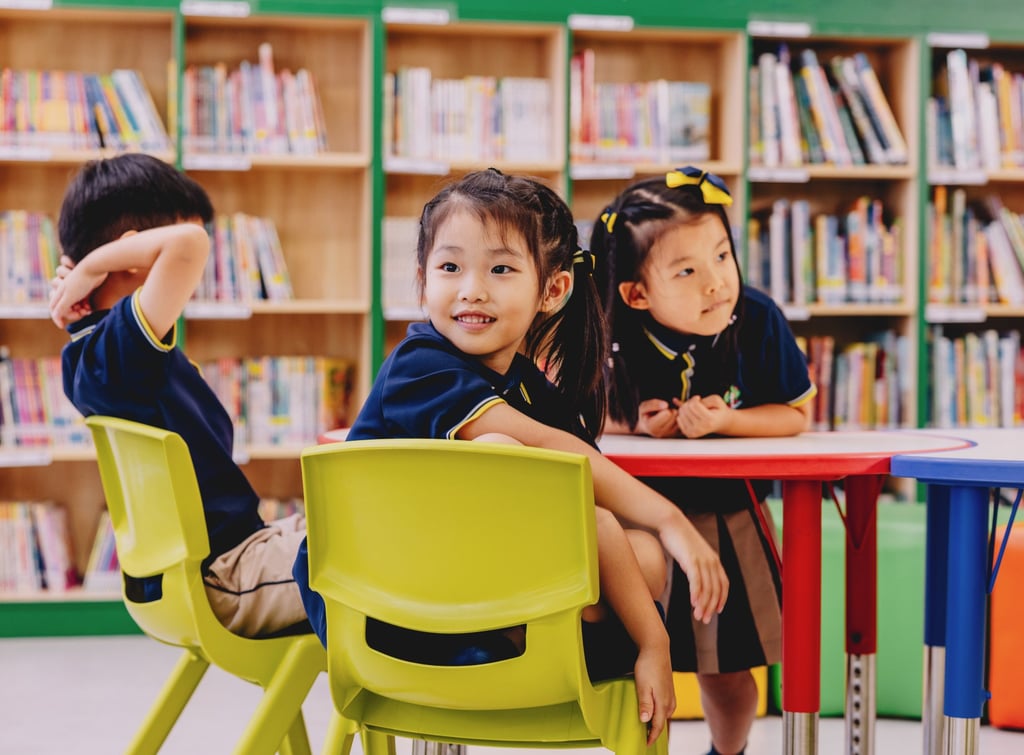

Besides emphasising values and moral frameworks, faith-based schools also expose students to religious rituals, routines and traditions that can promote cultural learning and understanding.