Hong Kong’s rise as East Asia’s thriving art hub
The city’s multicultural and hybrid nature, and stunning spaces like M+, help retain its position at the heart of the region’s art world

From the vantage point of Asia Art Archive (AAA), the answer begins not with sales figures but with circulation. “Hong Kong occupies a unique position as a connective centre in East Asia,” says Özge Ersoy, AAA’s executive director. “Historically, it has been shaped by circulation – of people, ideas and artistic practices – which has produced an art ecosystem that is outward-looking, multilingual and deeply attentive to questions of hybridity and cultural exchange.”
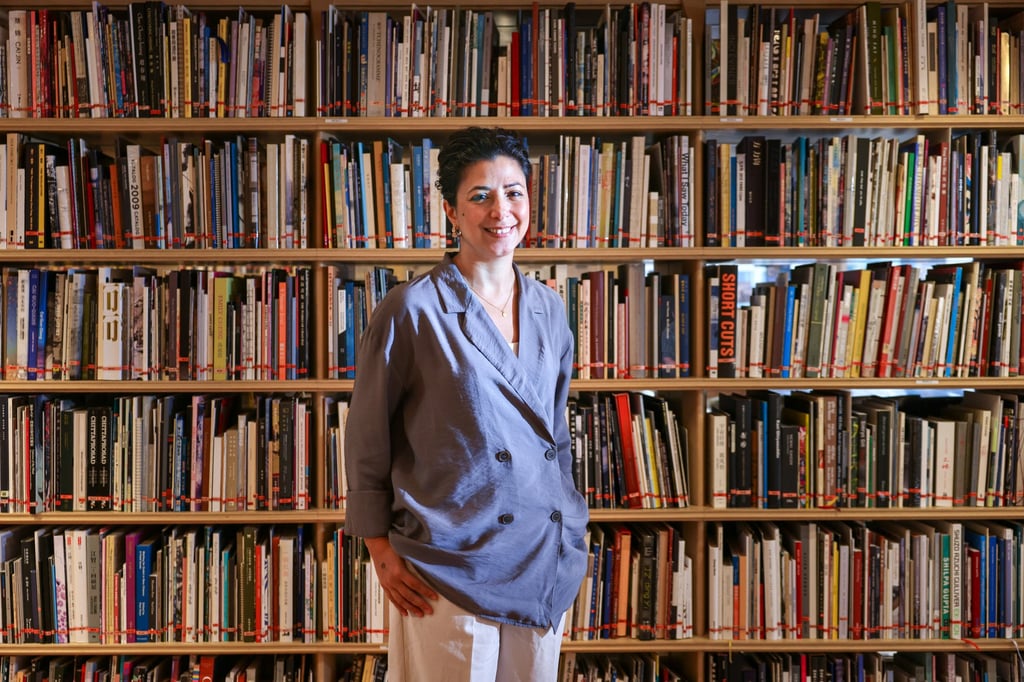
Ersoy points to the density of cultural infrastructure built over decades: artist-run spaces, independent initiatives, universities, museums and archives. Since AAA was founded in 2000, she notes, these institutions have collectively shaped how contemporary art histories in Asia are researched, written and circulated. Hong Kong’s strength, in her view, lies less in a singular aesthetic identity than in its intellectual culture, a “reflexive relationship to history” and a persistent impulse to document and contextualise.
At the commercial end of the spectrum, Hong Kong’s trajectory tells a parallel story of transformation.
“Over 20 years ago, I was the vice-president, director of business development Asia-Pacific at Christie’s,” says Levina Li-Cadman, co-founder and managing partner of Art-Partners. “In those years, the art trade in Hong Kong was predominantly in the secondary market. There was only one international gallery and local Hong Kong galleries in the city at the time.”
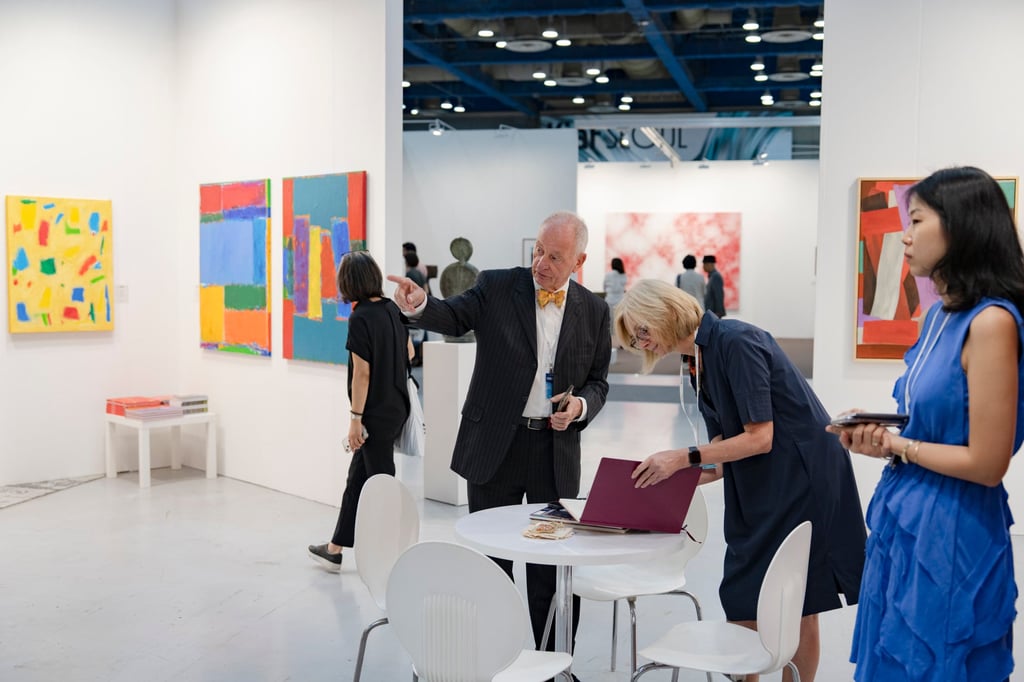
Auctions were dominated by Chinese antiquities and modern and contemporary Chinese art. The turning point came with the Hong Kong International Art Fair, later acquired by Art Basel’s parent company, leading to the launch of Art Basel Hong Kong in 2013. “Following the acquisition of the fair, international galleries saw Hong Kong as the new up and coming art hub,” she says. “The results were astounding; from then on, all the major international galleries began pouring into Hong Kong.”