How parents can help their children deal with grief after the Tai Po tragedy
Coverage of the Wang Fuk Court fire could affect most children, but how they display their feelings may differ depending on age, culture and other factors

In recent months, families across Hong Kong have faced the difficult task of helping children process emotions resulting from the fire at Wang Fuk Court in Tai Po, on top of a stream of unsettling news from around the world. Even children not directly affected may have seen images online, overheard adult conversations, or sensed anxiety at school and at home. Many parents struggle with how much to explain and how to respond to reactions that can seem unpredictable or confusing.
“Children often process grief through what we describe as ‘normal reactions to abnormal events’,” says Lyndsey Gormley, psychologist at MindNLife. “Unlike adults, who have the cognitive tools to articulate their feelings, young people are highly sensitive to the emotional climate around them. Even hearing about an event can cause what we call vicarious trauma [where empathy for trauma sufferers can itself induce trauma].”
Age can also shape how grief presents. Gormley adds, “Younger children often show distress through behaviour and physical symptoms. We see regressive behaviours like bedwetting, difficulty sleeping alone or nightmares. Stomach aches, headaches and general irritability are also common. Adolescents tend to experience more psychological and social effects, such as withdrawing from friends, acting out or having trouble concentrating at school. Because teenagers are forming their sense of identity, a traumatic event can challenge their feeling of security in ways that are not always obvious.”
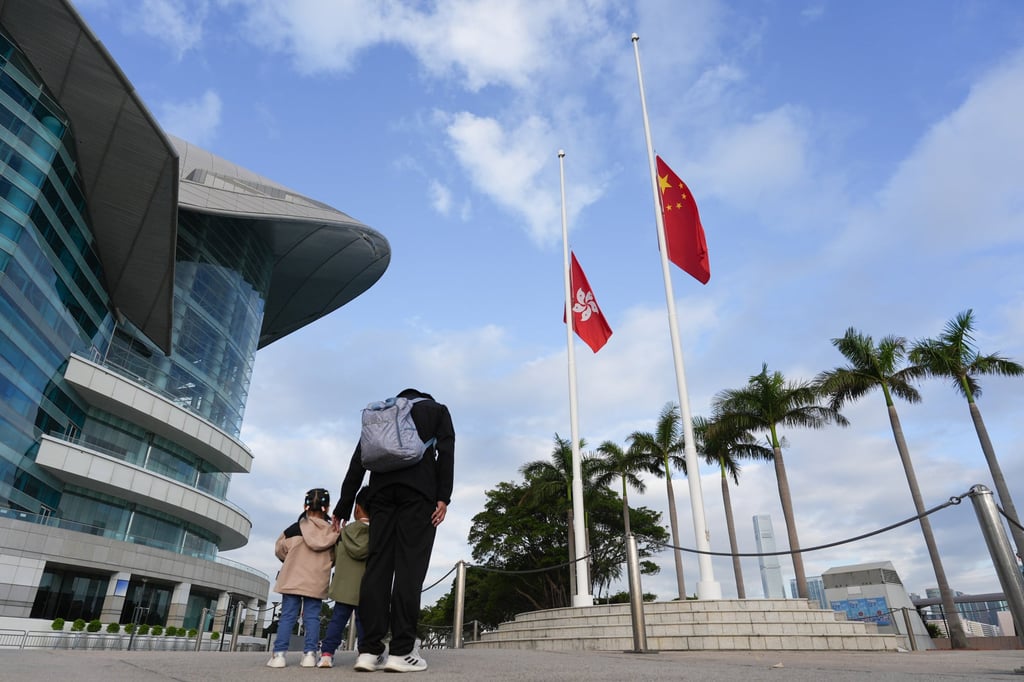
Teachers are often the first to notice something. Lauren O’Brien, head of guidance at American School Hong Kong, explains that teachers may observe small changes, from difficulty focusing to a shift in level of academic attainment, or becoming unusually anxious or tearful, while “physical complaints and withdrawal are also common indicators that a student is carrying more than they can manage”.
She adds that changes can appear socially or behaviourally, as “some children avoid reminders of the incident, while others may be more irritable or argumentative. Regression in younger students or a decline in peer interactions can be telling signs”.

Grief and resilience often coexist. Paul Wickes, headmaster at Malvern College Hong Kong, observes, “Our students showed empathy and compassion while processing the fire. They organised book sales, bake sales, donation drives and collected essential supplies for those affected. Channelling concern into practical action helps them feel a sense of agency and connection, which is especially important in a culture where care is often shown through deeds rather than words.”
Cultural norms also influence how children express grief. “Some families feel pressure to remain composed or avoid burdening others with strong emotion,” O’Brien explains. “Others show care through action rather than words. Our approach is to respect these differences and support students in ways that fit their family and culture.” Wickes notes that beliefs around death can give children a framework for understanding loss. “These perspectives can help, but they may also make it harder for some students to openly express emotion. Educators need to be sensitive to both the philosophy and the practical behaviours that individual families encourage.”