IOC reinstating gender shows ‘disrespect for women’, Olympic champion Caster Semenya says
The South African two-time 800m winner says the policy, which effectively bans transgender and many intersex athletes, ‘causes harm’

South African Caster Semenya, a two-time Olympic 800m champion, said on Sunday that the IOC’s reinstatement of gender verification tests for the 2028 Los Angeles Games was “a disrespect for women”.
The former hyperandrogenic athlete also expressed her disappointment that the measure was taken under the leadership of the new IOC president, Kirsty Coventry of Zimbabwe.
“For me, personally, for her being a woman coming from Africa, knowing how African women or women in the Global South are affected by that, of course, it causes harm,” Semenya said during a press conference in Cape Town on the sidelines of a sporting competition.
The IOC had previously used chromosomal sex testing between 1968 and the 1996 Atlanta Olympics, before abandoning it in 1999 under pressure from the scientific community, which questioned its effectiveness, and from its own athletes’ commission.
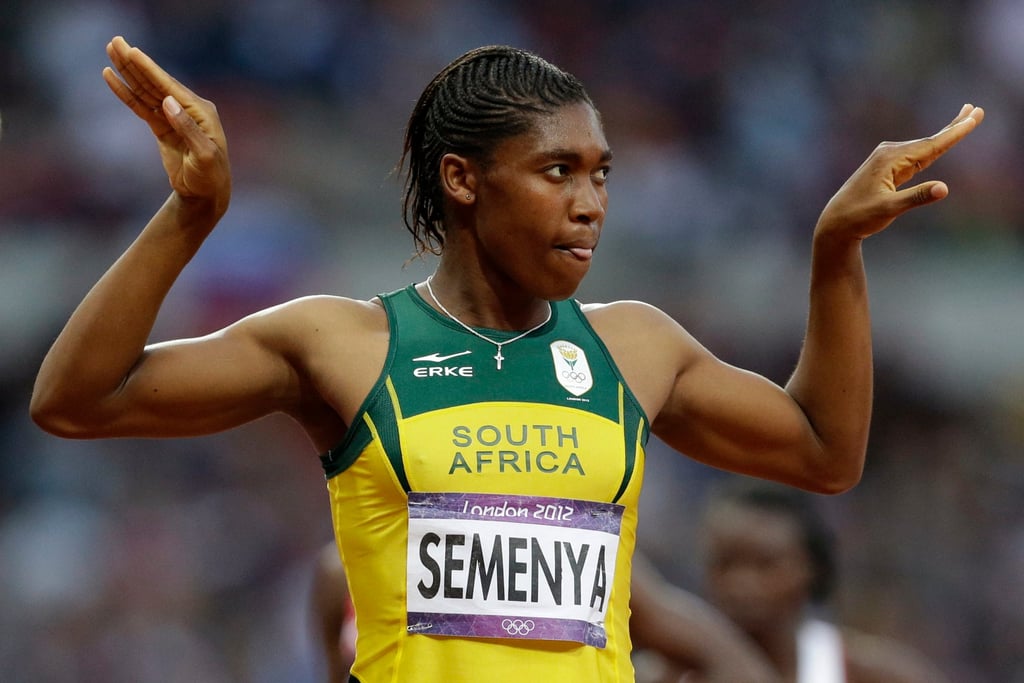
“It came as a failure. And that’s why it was dropped,” Semenya said in Cape Town.