Advertisement
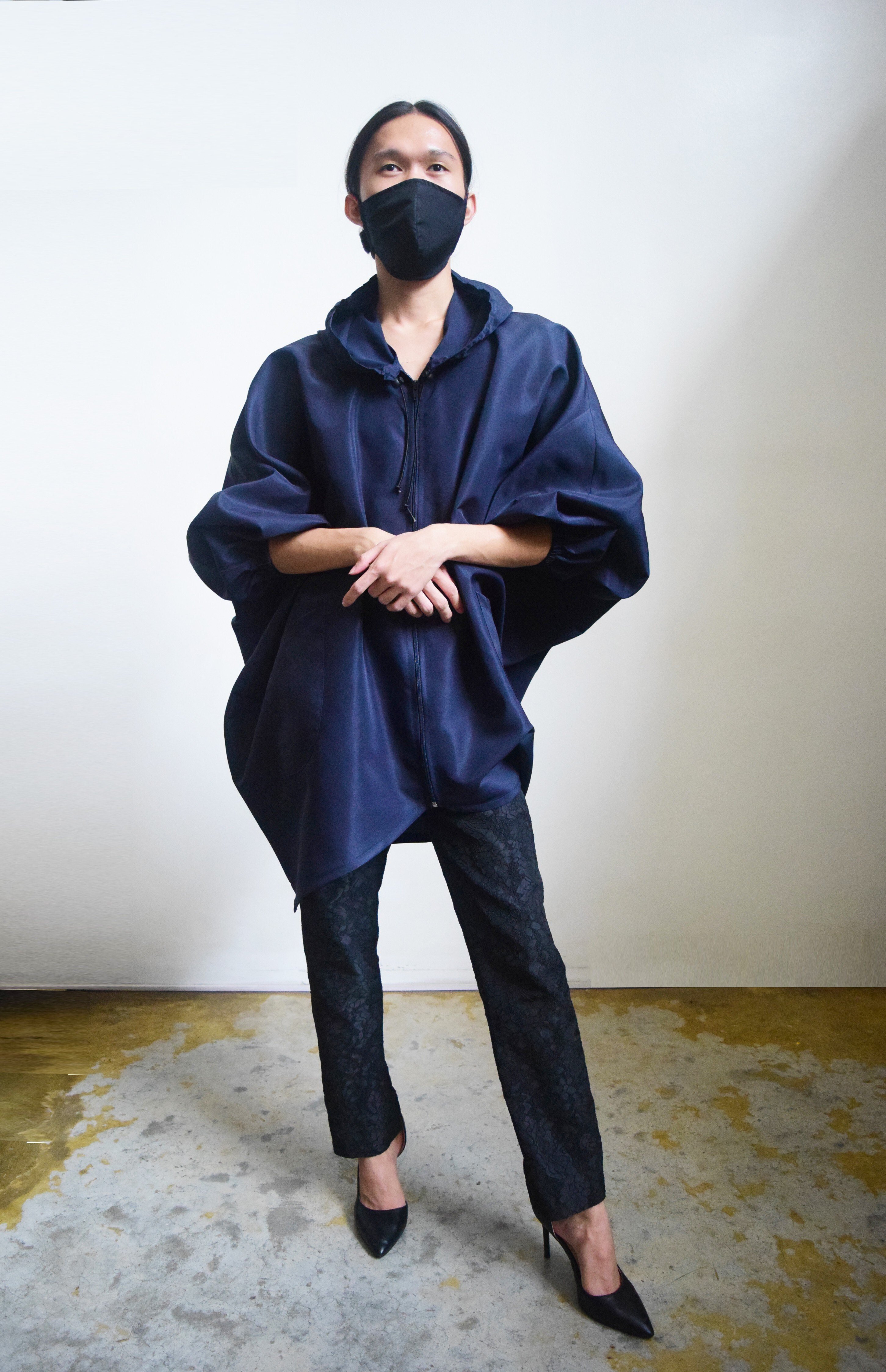
Philippines’ fashion-forward PPE, for coronavirus-wary office workers
- The gear was initially envisaged as a solution for doctors resorting to bin bags earlier this year amid shortages of medical-grade gear to fight the pandemic
- But as the country partially emerged from coronavirus lockdown even as cases continued to climb, another market quickly emerged
4-MIN READ4-MIN

As hospitals in the Philippines were struggling with a lack of personal protective equipment (PPE) earlier this year amid a global shortage caused by the coronavirus pandemic, the country’s fashion houses sprang into action.
Supplies had got so low by March that pictures of doctors wearing nothing better than garbage bags as virus protection began circulating on social media, prompting prominent Filipino designer Rajo Laurel, closely followed by fellow fashionistas Mark Bumgarner and Debbie Co, to dig out all their spare fabric and get to work crafting protective gear.
So far, the trio’s studios have managed to churn out more than 20,000 sets of PPE. Their creations are not medical grade, but as Laurel notes: “back then, it was just to give them better protection than garbage bags”.
Advertisement
As supply shortages eased slightly and the designers realised frontline medical workers no longer had a need for the gear that they could manufacture, another market for their fashion-forward PPE suits began to emerge: the general public.
Advertisement
The Philippines partially emerged from an almost three-month coronavirus lockdown in June, with shopping centres and offices given the green light to reopen – albeit in a diminished capacity – despite the country still recording hundreds, if not thousands, of new cases every day and having the second-highest virus tally in Southeast Asia, with more than 82,000 infections and nearly 2,000 deaths.
Advertisement
Select Voice
Select Speed
1.00x