Advertisement
UN warns 8 million in Asia-Pacific risk poverty if Iran war drags on
A new UNDP report has forecast job losses, crippling inflation and food insecurity, with the poorest nations brutally exposed to the oil shock
3-MIN READ3-MIN
Listen

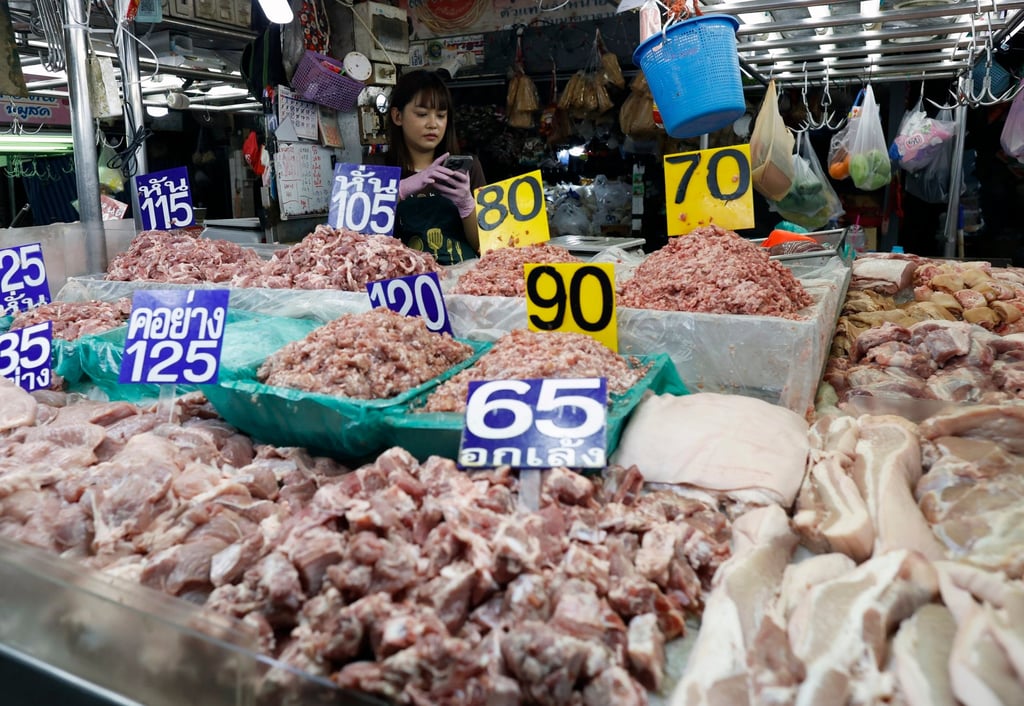
The United Nations has issued a grim warning about the costs to the Asia-Pacific region of a prolonged conflict in Iran, forecasting job losses, crippling inflation and food insecurity, with the poorest nations brutally exposed to the oil shock and millions of informal workers facing the body blow of rising transport costs.
More than 8 million people across the Asia-Pacific could be plunged into poverty if the crisis that closed the Strait of Hormuz drags on, according to a study published on Tuesday by the UN Development Programme (UNDP).
The report also warned that the conflict could drain up to US$299 billion from the region’s gross domestic product, with government budgets stretched to subsidise rising costs.
Advertisement
Fertiliser shortages are a particular concern for agrarian economies as Middle Eastern urea fails to pass the Strait of Hormuz, threatening Asian grain supplies and creating a domino effect on food costs.
The report came as the leaders of the International Monetary Fund, World Bank and International Energy Agency met in Washington on Monday to take stock of the damage to economies and energy markets caused by the Iran war.
Advertisement
Advertisement
Select Voice
Select Speed
1.00x