India’s nuclear breakthrough lights path to energy independence
Success at the Kalpakkam prototype fast breeder reactor will allow India to generate energy using its abundant thorium reserves

Earlier this month, Indian scientists revealed they had achieved criticality, a state of self-sustaining nuclear chain reaction, at the Kalpakkam prototype fast breeder reactor (PFBR) in Tamil Nadu state.
The programme promises to harness India’s abundant thorium reserves, which constitute around 25 per cent of global deposits, advancing its goal of attaining net zero emissions by 2070.
The South Asian nation has limited uranium but massive thorium reserves. Fast breeder reactors are designed to convert thorium-232 into uranium-233, allowing India to eventually switch to the resource to power its energy needs and move away from imported fuel.
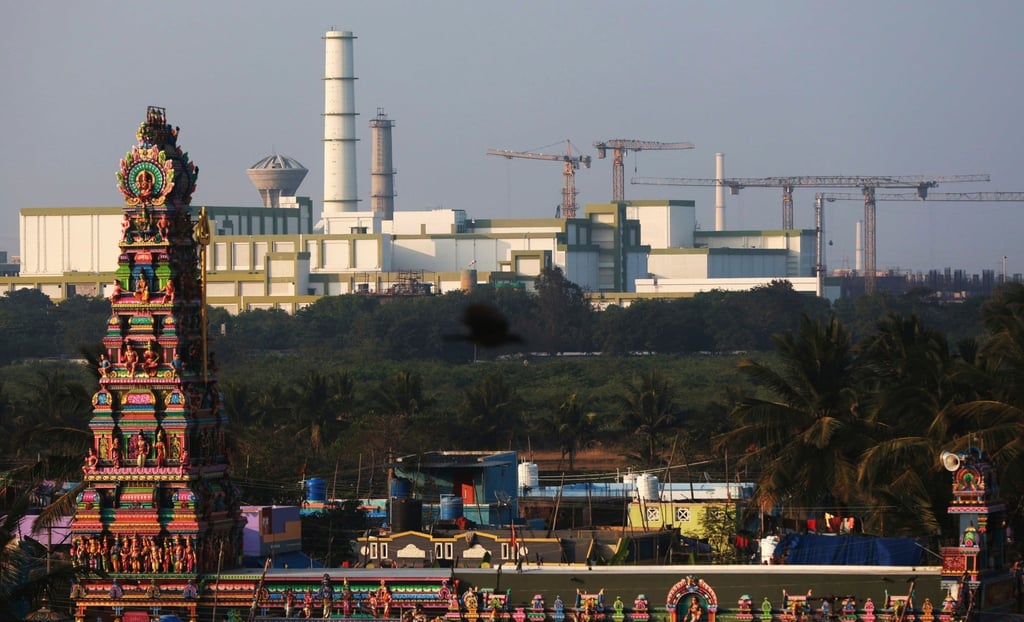
Once the prototype becomes fully operational, India will become only the second country after Russia to have a commercial fast breeder reactor.