Is the ‘Big One’ coming? Earthquake mania grips Philippines as fears mount
Public ‘mass hysteria’ undermines long-term disaster readiness and shows a pressing need for better science communication, analysts say

Analysts say the anxious public reaction – from mass hysteria in schools to viral conspiracy theories about “The Big One” – underscores a pressing need for better science communication and coordination between government agencies, especially in a country highly exposed to natural hazards but often unprepared for seismic events.
The current wave of fear began after a magnitude-6.9 earthquake struck the central Visayas region on September 30, killing at least 79 people and injuring more than 1,200. The tremor caused extensive damage to homes, buildings and heritage churches.
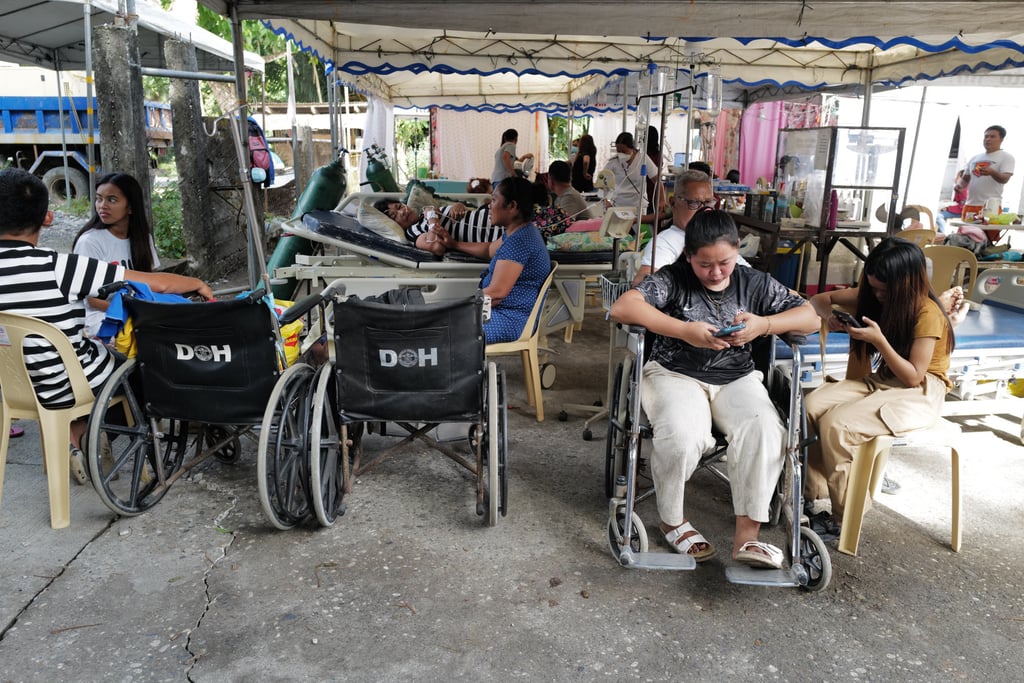
Other quakes in provinces such as La Union and Zambales north of Manila, and Leyte province in southern Philippines, were also registered.
On October 9, 40 high school students swarmed an accident and emergency unit in Baguio City following a 4.4-magnitude earthquake in nearby La Union, an event that Department of Health Secretary Ted Herbosa called “mass hysteria”.
“There were 40 high school children that were brought to the accident and emergency of Baguio General Hospital … we were overwhelmed. We had to put up tents, but all of them were just suffering from what we call hyperventilation syndrome or hysteria. It was mass hysteria,” he said at a public briefing.