Advertisement
In South Korea and Japan, culture bridges historical divides: ‘quite a contrast’
Eighty years after South Korea’s liberation from Japanese colonial rule, a younger generation’s shared passions are creating a new intimacy
4-MIN READ4-MIN
1
Listen

In Seoul’s hip Hongdae neighbourhood, 19-year-old Choi Jae-eun is already deep in conversation with her friend about the latest anime drop on Netflix. The pair are making their way to Animate, a shop inside AK Plaza whose shelves overflow with Japanese manga, anime figurines and limited-edition merchandise.
Pop-up stalls themed around blockbuster series lure teenagers and twenty-somethings who, until recently, might have been dismissed as otaku – a once-derogatory term for obsessive fans.
But now, Japanese pop culture is everywhere: in the manga-laden shelves of Animate, in the queues for anime-themed pop-ups, in the playlists of teenagers.
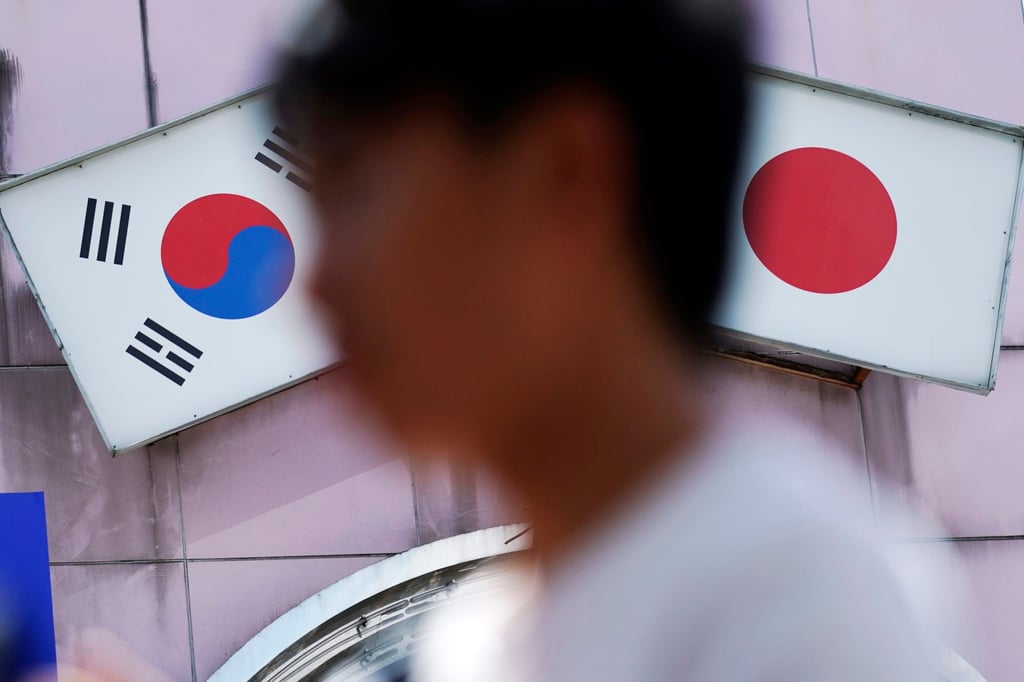
Eighty years after Japan’s colonial rule ended in 1945, South Koreans – especially the young – have made Japanese culture part of their daily lives. The same is true of Tokyo, where the Hallyu wave hit especially hard and K-pop concerts sell out in minutes.
“I started to watch Japanese animation from a young age as my parents introduced me to classics like Dragon Ball Z and Studio Ghibli,” Choi said. “I’m always asking my friend if they watched the new Japanese anime that dropped on Netflix.”
Advertisement
Select Voice
Select Speed
1.00x