Binondo: the 400-year-old heart of Filipino-Chinese heritage in Manila
For centuries, Manila’s Binondo district has been the centre of a Tsinoy culture that helped build the Philippines into what it is today

It began as a settlement for Chinese converts to Catholicism. Four centuries later, the world’s oldest Chinatown is a living reminder of how migration can shape a nation.
Some of the country’s richest families can trace their roots to this single square kilometre of Manila: five of the Philippines’ 20 wealthiest people are of Chinese descent, according to Forbes.
The Sy siblings, whose empire spans property, retail and banking, top the Philippines’ richest 50 list with an estimated net worth of US$11.8 billion.
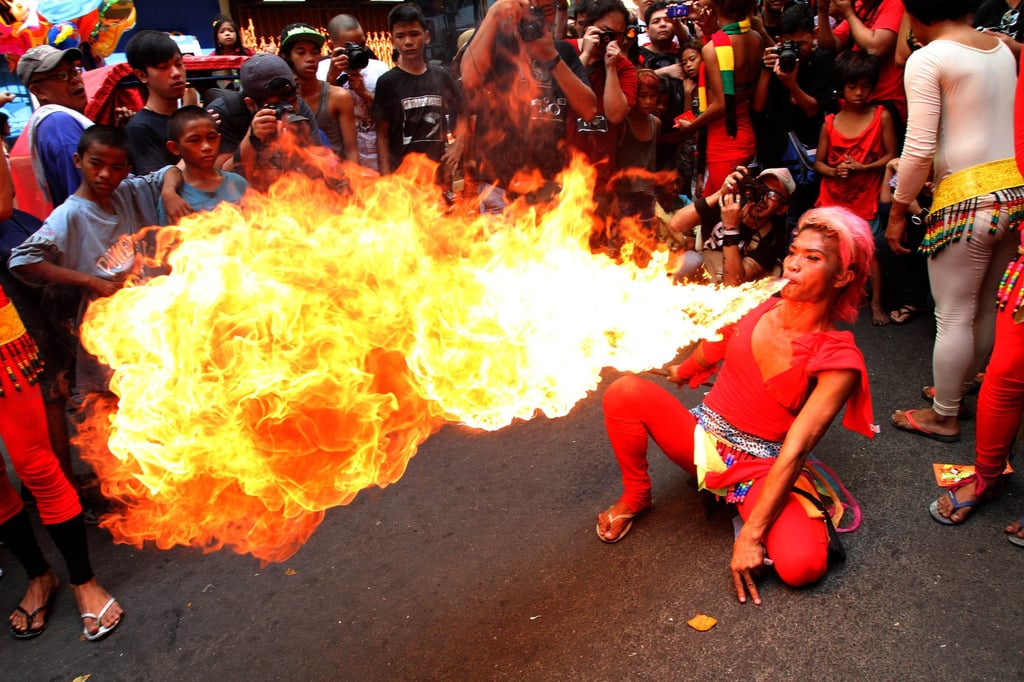
Metro Manila’s present-day financial heart has since shifted to Makati, but Binondo’s legacy endures as much more than just a cradle of fortune. For many, it represents a shared cultural memory and identity.