Honouring ancestors, shaping empires: the story of Southeast Asia’s Peranakan Chinese
Born of trade and migration, the Peranakan community has forged a distinct identity that has bridged China and Southeast Asia for centuries

“We were here even before the British,” he told This Week in Asia, referring to the British arrival in Penang in 1786. His seafaring Khoo clansmen are believed to have established roots on the island as early as 1752.
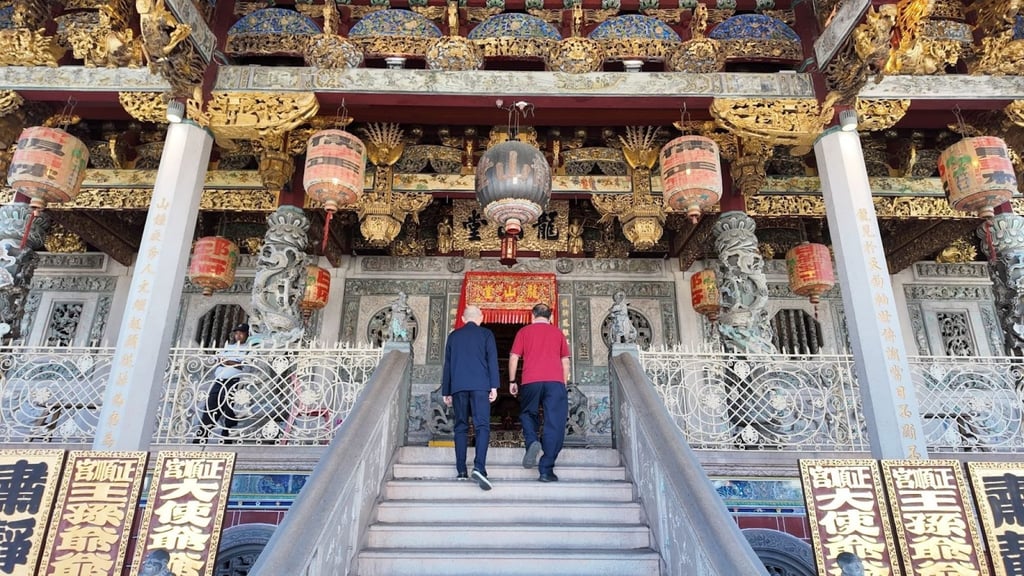
The Tung Chen rites, centred on wooden ancestral tablets inscribed with the names of deceased forebears, have been practised for generations. But the ceremony also gestures towards a much wider cultural narrative.
That story is of a community that originated in China, took shape through migration and intermarriage across Southeast Asia’s port cities, and became one of the region’s most influential and far-reaching Chinese diasporas.