Asian AngleHow historical amnesia fuels US-China conflict
The West’s selective memory fails to recognise China’s resolve never to be bullied again. Singapore can help correct this narrative

This August marks the 80th anniversary of the end of World War II in Asia. Contrary to the narrative often presented by Western commentators, the conflict did not begin in 1941, but in 1937, when Japan invaded China.
Unfortunately, this has been forgotten. In a breathtaking display of historical ignorance, US Defence Secretary Pete Hegseth reportedly declared during his first visit to Japan: “We share a warrior ethos that defines our forces. Japan is our indispensable partner in deterring communist Chinese military aggression.”
For the record, Japan’s aggression against China predated 1937 by decades. The first Japanese attack occurred in 1894-95, resulting in the seizure of Taiwan as spoils of war. In 1904-05, Japan’s victory over Russia expanded its reach into Manchuria.
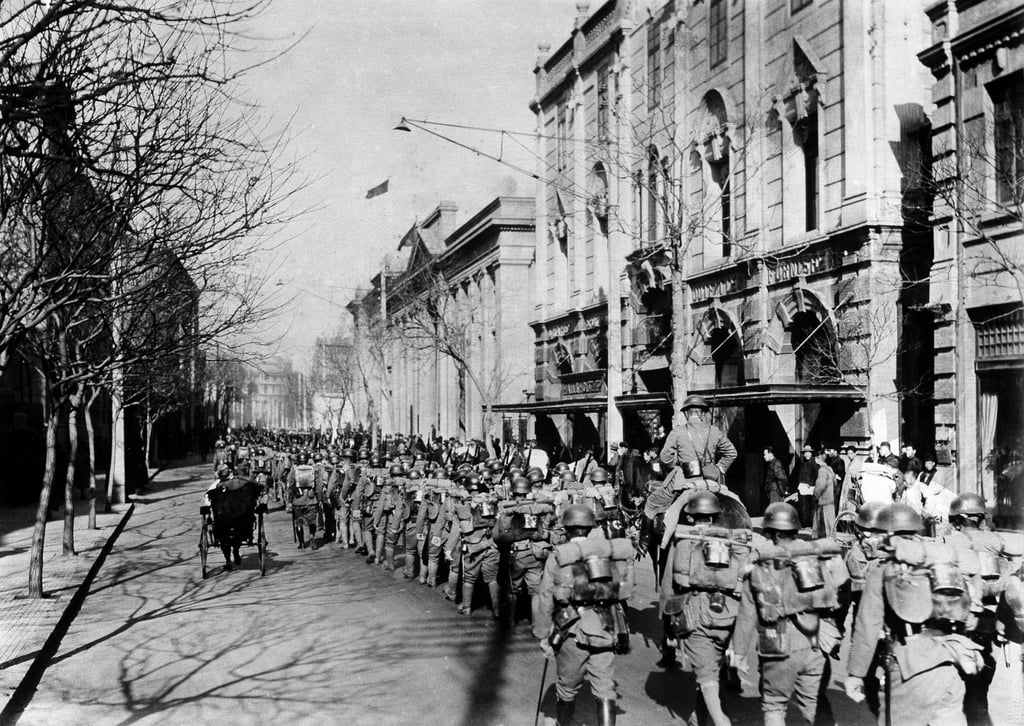
Only then did full-scale war ensue.
Japanese aggression against China led to a US oil embargo in 1941. Rather than withdraw, Japan chose to attack the colonial possessions of Britain and the Netherlands and launched a surprise assault on Pearl Harbour – resulting in America’s entry into the war and ultimately leading to the atomic bombings. Unlike Germany, Japan has never fully and honestly confronted its wartime history, especially in relation to China.