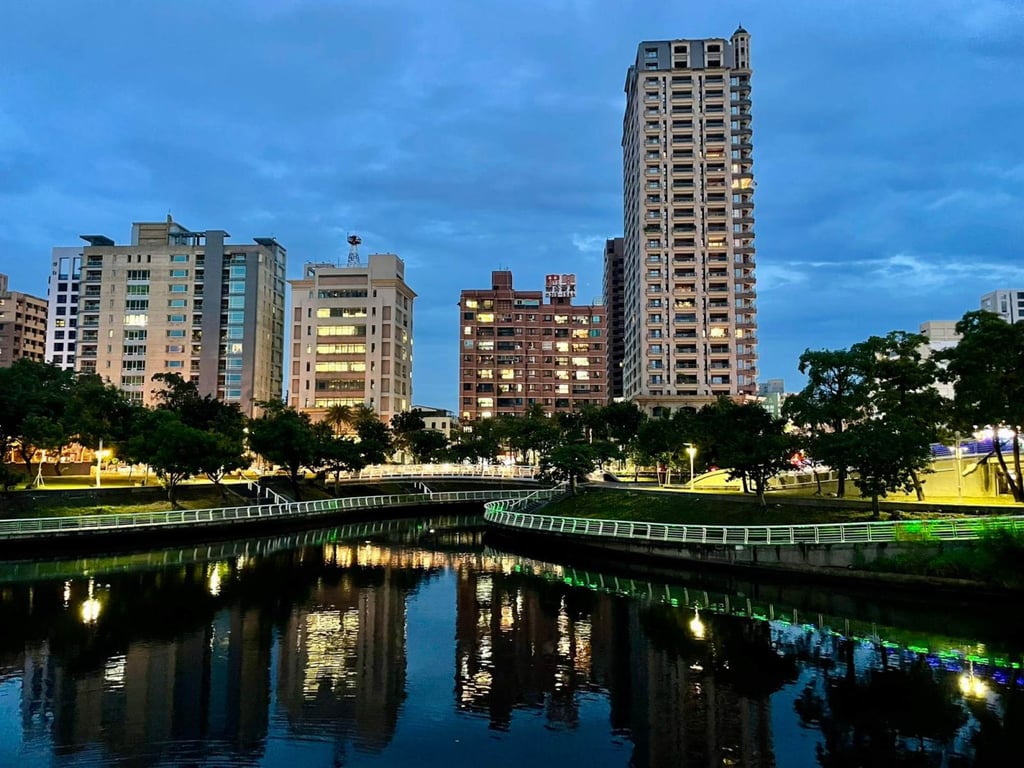
OpinionReinventing Kaohsiung: Taiwan’s port city transcends its industrial past
From shipyards and smokestacks to a smart, green metropolis, Kaohsiung shows urban renewal can succeed in the unlikeliest of places

In the last two decades, Kaohsiung has become a green, services-oriented cultural city. While it lacks the scale, resources and iconic urban attractions of Tokyo, Hong Kong, Singapore or Dubai, the home of Taiwan’s second busiest airport exudes a distinctive small-city charm.
Here, greenery and culture intertwine, as state-of-the-art infrastructure coexists with bustling traditional markets and historic neighbourhoods.
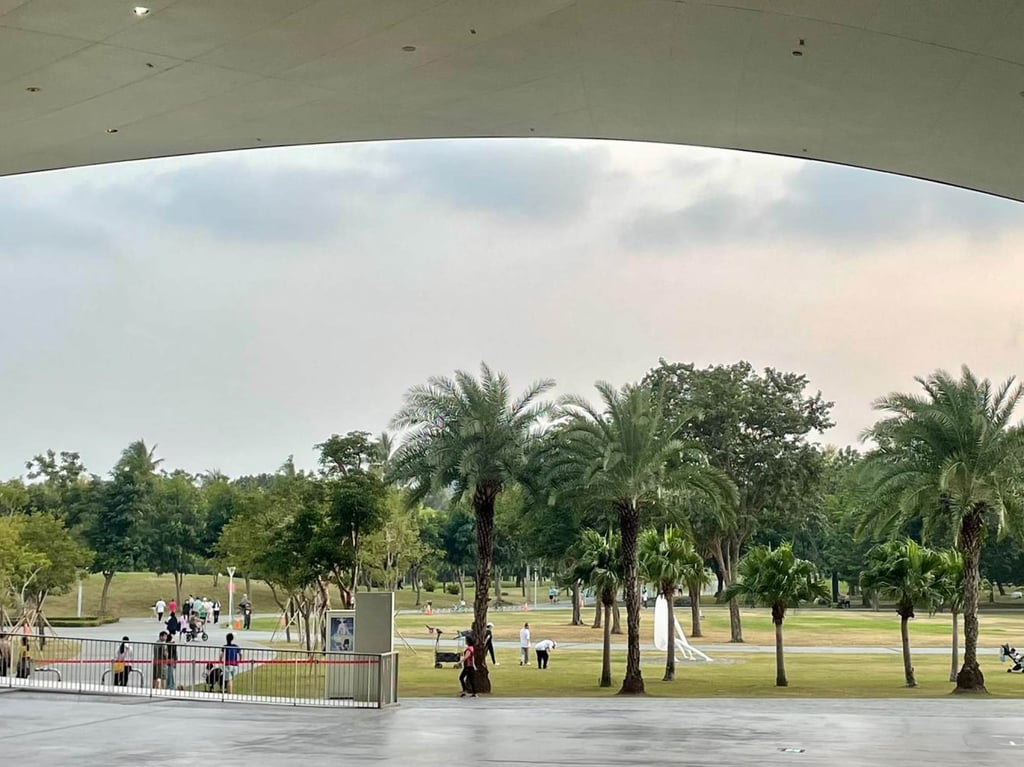
Kaohsiung’s transformation shows that city planners, working in concert with the government, civil society and local communities, can turn a drab industrial city into a smart, green urban centre – despite the sharp polarisation that has characterised Taiwanese politics for the past three decades.
Since Taiwan’s democratisation in the 1990s, Kaohsiung’s mayoral elections have typically favoured the Democratic Progressive Party. But this has seldom prevented productive collaboration with ministries in Taipei, even when a Kuomintang government was in charge.
Kaohsiung’s transformation holds useful lessons for secondary cities across the region grappling with the decline of traditional industries while trying to meet citizens’ demands for greener, more liveable urban spaces.