Advertisement

OpinionPassage through the Strait of Hormuz is a right in war and peace
Neutral ships have a legal right of passage, even in war. Singapore has defended international law, which provides for a stable world order
5-MIN READ5-MIN
3
Listen

On February 28, the United States and Israel bombed Iran. In response, Iran closed the Strait of Hormuz to the passage of all shipping.
This has caused a crisis in energy supply chains, with serious economic consequences for countries, including Asian ones, that rely heavily on the strait for their energy supplies.
To compound matters, US President Donald Trump announced a sweeping blockade of Iranian ports, which would impede the passage of all maritime traffic entering and exiting the strait. Neutral states are caught in the crosshairs of a US-Israel war against Iran with the Hormuz Strait as a chokepoint.
Advertisement
This has literally choked the passage of shipping. Some perspective is needed here: under international law, in straits used for international navigation, there is a clear right of unimpeded passage for all foreign-flagged vessels. The devil, however, is in the details in times of war.
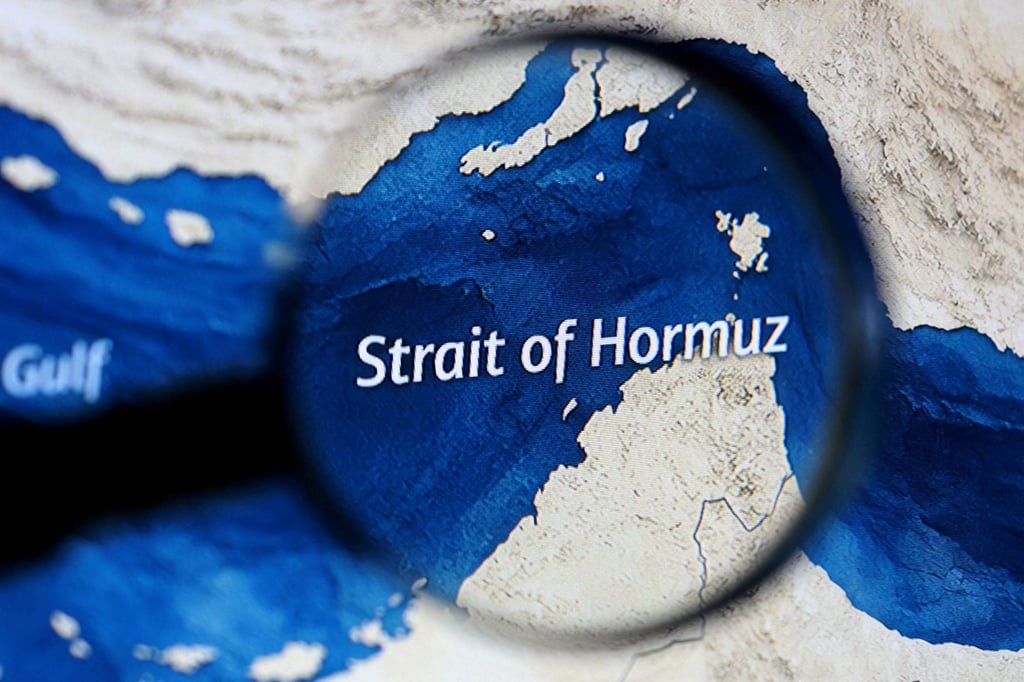
The Strait of Hormuz is bordered by Iran and Oman. It is among the most critical chokepoints in the world, with some 20 per cent of global oil supplies passing through it, much of it headed for Asia.
Advertisement
Advertisement
Select Voice
Select Speed
1.00x