Advertisement
Why US extradition request for Quiboloy puts Philippines in a tough spot
The Philippines must weigh legal obligations against political fallout in deciding whether to hand over Apollo Quiboloy, analysts say
Reading Time:4 minutes
Why you can trust SCMP
1

The United States has formally asked the Philippines to extradite controversial televangelist Apollo Quiboloy, reigniting scrutiny over the detained preacher’s alleged trafficking and abuse network, as well as sparking questions over whether Manila will hand him over.
Philippine Ambassador to Washington Jose Manuel Romualdez confirmed the request on Wednesday, telling local media the documents had been sent to the Department of Justice in June.
Quiboloy, 74, is the founder of the influential Kingdom of Jesus Christ (KOJC) church and a long-time ally of former president Rodrigo Duterte. He is wanted by the FBI on charges ranging from child sex trafficking to fraud and money laundering, stemming from an alleged scheme that used church members to solicit donations in the US under false pretences.
Advertisement
US authorities allege that Quiboloy and senior KOJC officials used fraudulently obtained visas to bring followers to America, where they were forced to raise funds for a bogus charity that bankrolled the group’s operations and leaders’ lavish lifestyles. Several female followers – including minors – were reportedly coerced into sexual acts under threat of spiritual damnation.
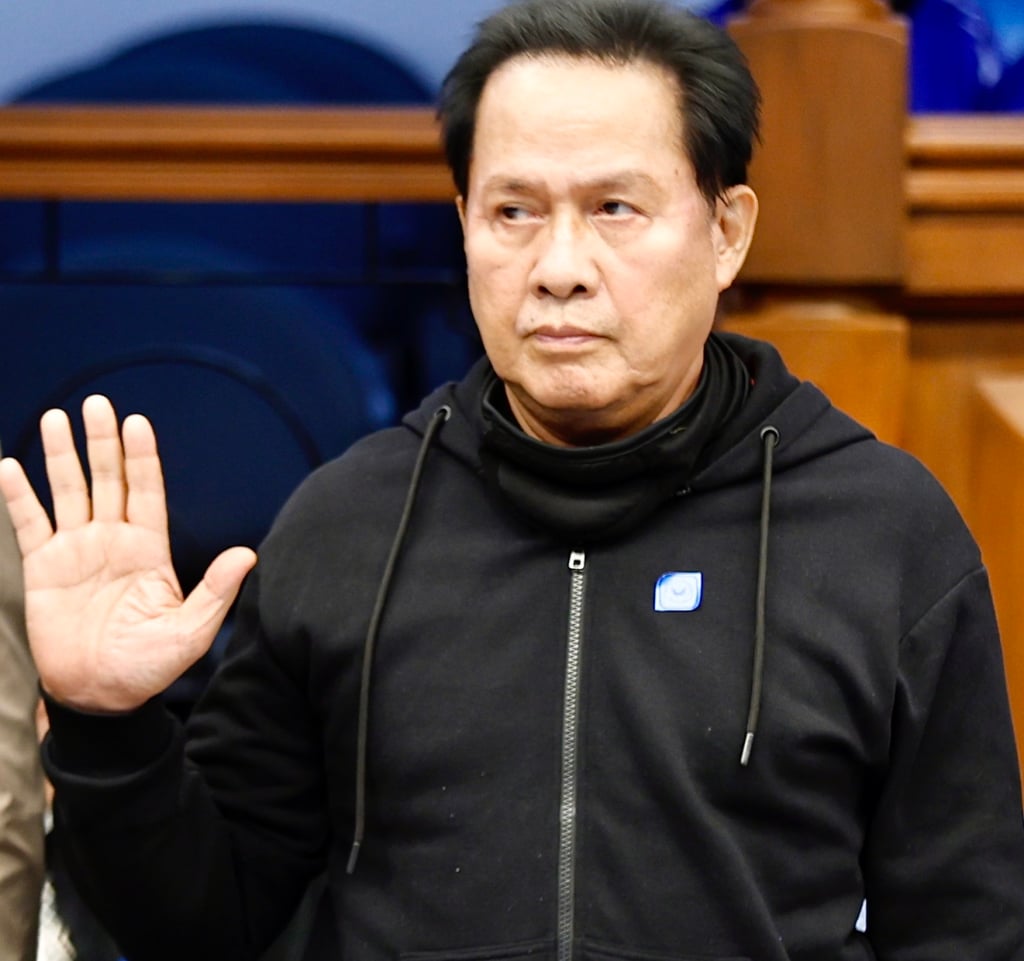
Quiboloy was arrested in the Philippines in September on charges of human trafficking and child sex abuse after a dramatic two-week stand-off at his 30-hectare (74‑acre) KOJC compound in Davao City that involved over 2,000 police officers and support from the military.
Advertisement
Advertisement
Select Voice
Choose your listening speed
Get through articles 2x faster
1.25x
250 WPM
Slow
Average
Fast
1.25x