Rights groups hail Indonesia’s ‘new chapter’ for domestic workers, warn of long road ahead
While the new law is a start, real changes will not happen instantly because of ingrained beliefs, women activists say

On April 21, Indonesia’s House of Representatives passed the domestic worker protection bill into law, 22 years since it was first proposed.
The legislation “provides legal certainty, protects workers from various forms of unfair treatment, and encourages improvements in the skills and welfare of domestic workers”, law minister Supratman Andi Agtas told lawmakers last week.
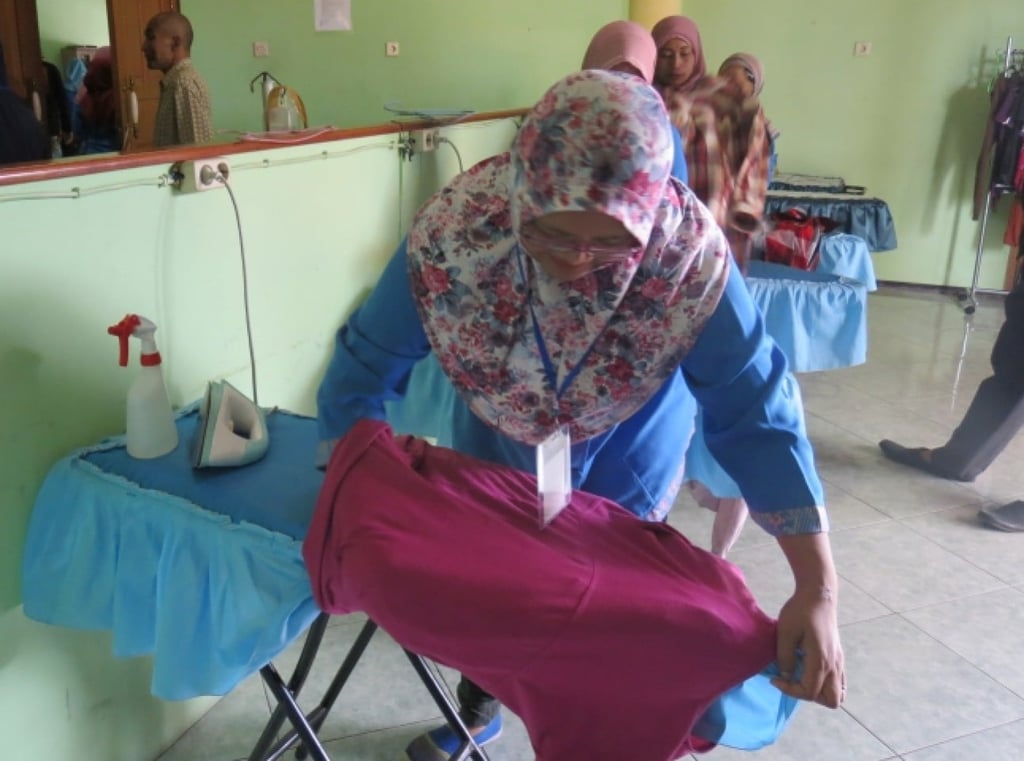
Domestic workers now have 14 rights, including access to social security, universal healthcare and mandatory vocational training. The scope of their jobs is also limited to 10 chores – such as cooking, washing and ironing clothes, cleaning the house and the garden, and looking after children, the sick, the elderly or people with disabilities as well as other chores agreed with employers.
Placement companies must now be registered and barred from deducting workers’ wages.
“The Domestic Workers Protection Law represents a new chapter in our efforts to change a system that has historically put domestic workers at a disadvantage,” said Lita Anggraini, coordinator at the National Advocacy Network for Domestic Workers (Jala PRT). Jala PRT was the first civil group to propose the bill to the parliament in 2004.