Advertisement
Asean
This Week in AsiaPolitics

80 years on, Southeast Asia’s Chinese diaspora remember wartime sacrifices

Chinese migrants in Southeast Asia helped build a united front and in the process created a new sense of identity in their adopted countries

Reading Time:6 minutes
Why you can trust SCMP
7
The Wha Chi was one of the largest and most active Chinese guerrilla groups in the Philippines fighting against the Japanese army during WWII. Photo: Wha Chi Descendants Association and Kaisa Para sa Kaunlaran
Jean Iau,Sam BeltranandHadi Azmi
In the struggle to keep the Chinese resistance movement supplied against the Japanese invasion, a dangerous, winding route was carved through the jungles and hills of eastern Myanmar into Yunnan province.

The Burma Road, a 1,200km-long lifeline as it became known, allowed goods to be shipped from Yangon (then Rangoon) and driven across the country into the interior of China, while its ports were blockaded by Japanese ships.

But the convoys needed drivers, mechanics and guides to make the treacherous journey through the slippery mountainous terrain, a route made more perilous by the Japanese bombers overhead.

Advertisement
And so Tan Kah Kee, a Fujian-born but Singapore-based businessman, recruited them – handfuls at first, then hundreds, as part of an extraordinary resistance effort by Southeast Asia’s Chinese diaspora to support the fight against Japan back home.

But from Malaysia to the Philippines, the heroics of the volunteer fighters, medical professionals, fundraisers and community organisers would also help knit Chinese migrants – often newcomers who moved for short-term work – into the new national stories of their adopted countries.

Advertisement

On Wednesday,China will mark the 80th anniversary of the end of World War II, giving a chance for those diaspora stories of heroism, suffering and resistance to be retold.
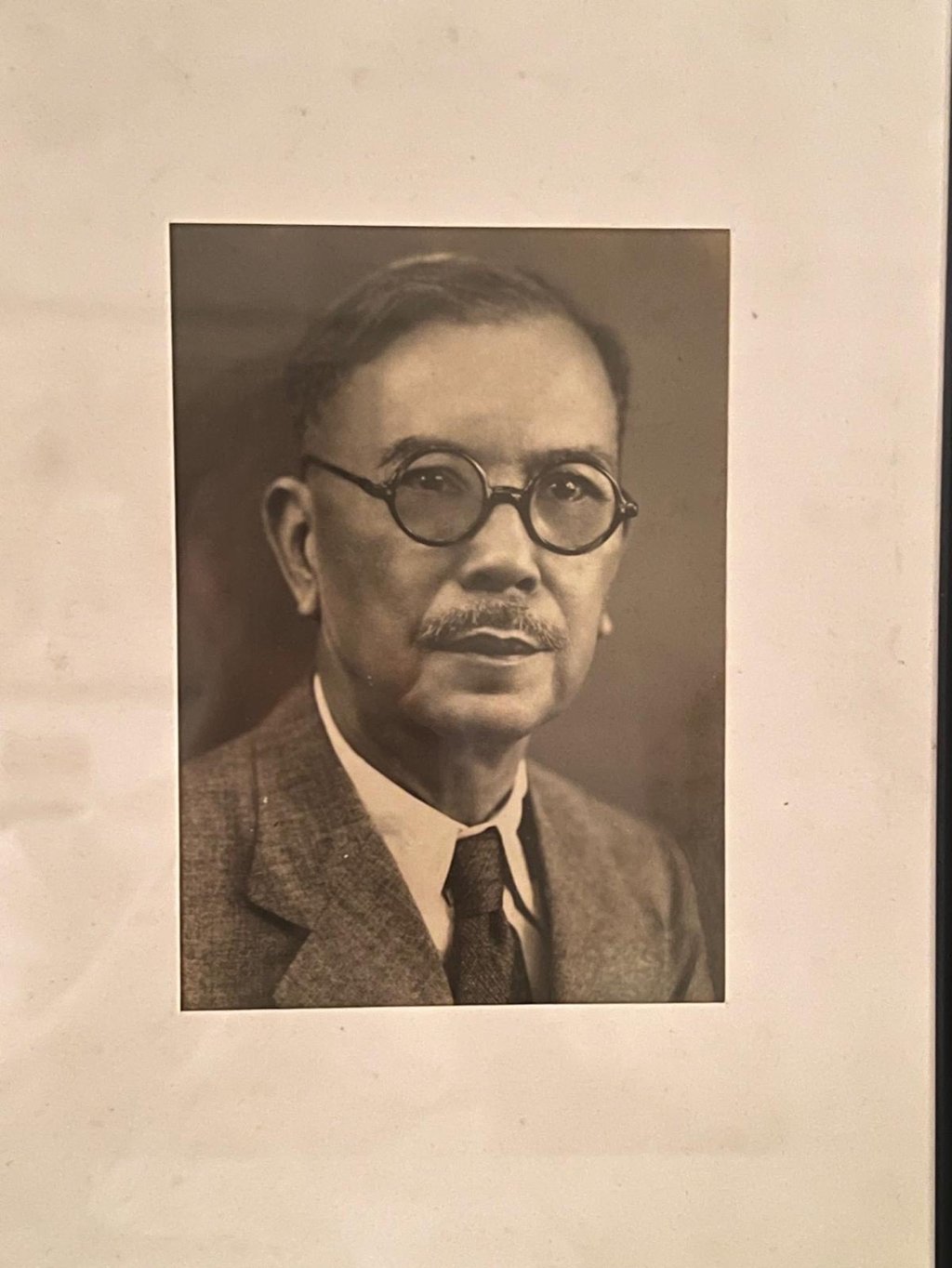
Singapore-based businessman Tan Kah Kee raised vast sums of money and recruited Chinese migrant workers from across Southeast Asia to help China’s war effort. Photo: Peggy Tan
Advertisement
Select Voice
Choose your listening speed
Get through articles 2x faster
1.25x
250 WPM
Slow
Average
Fast
1.25x