Advertisement
The Philippines
This Week in AsiaPolitics

Philippines looks to space for bird’s-eye view of South China Sea threats

Having dedicated satellites is ‘something that makes sense’ as it would give the military more control over its territory, experts say

4-MIN READ4-MIN
6
Listen
A Philippine coastguard personnel monitors Scarborough Shoal in the disputed South China Sea on June 15. Photo: AFP
Jeoffrey Maitem
The Philippines is preparing to create a military space centre by 2028, a move that could help Manila strengthen surveillance, communications and command across its archipelago and in contested areas of the South China Sea.

But analysts said the ambition would be constrained by the technical, financial and personnel hurdles of turning space assets into military capability.

Philippine military chief General Romeo Brawner Jnr said on Tuesday that the initiative would enhance communications, command and control, missile systems and drone operations, laying the groundwork for a future space command.
The proposal was presented to President Ferdinand Marcos Jnr at the military’s midyear command conference, following the president’s directive in December for the armed forces to develop their own satellite capability.

“It will be a centre. We need to start small first, and later on, we will expand into a space command or space force,” Brawner told reporters, adding that the plan envisaged the use of military satellites.
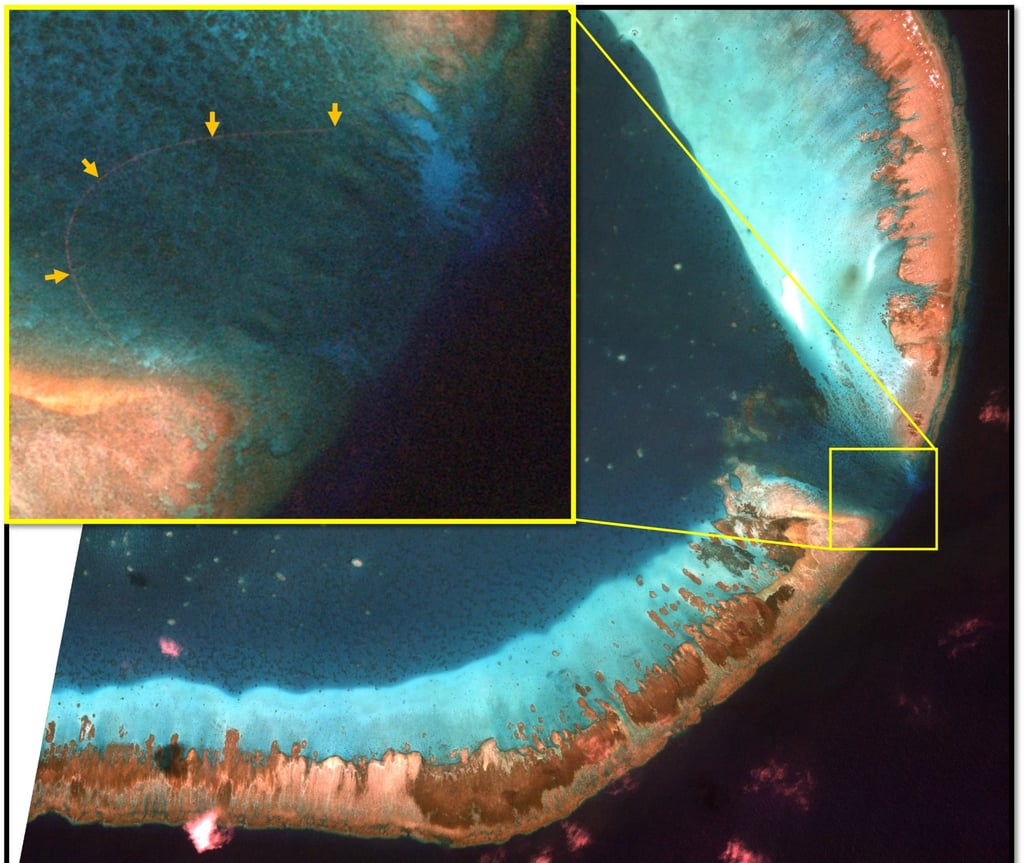
A satellite image shows what appears to be a man-made barrier blocking the entrance to the lagoon at the Scarborough Shoal, an atoll in the South China Sea that is claimed by both the Philippines and China. Photo: Satellogic/SkyFi

A space command would give the military a sovereign platform for persistent surveillance not only of the South China Sea but across the entire Philippine archipelago, said Rommel Jude Ong, a retired Philippine Navy rear admiral who now lectures at the Ateneo School of Government.

Advertisement
Select Voice
Select Speed
1.00x