Advertisement
Food and Drinks
LifestyleChinese culture

Chinese dining etiquette dos and don’ts, from who eats first to chopstick manners and more

Chinese table manners and traditions emphasise sharing and politeness and can be complicated. Here are the most important rules

Reading Time:4 minutes
Why you can trust SCMP
Although Chinese eating customs have evolved over time and through cultural shifts, some aspects have remained the same, such as the oldest or most senior person starting a meal and where you put your chopsticks. Photo: Shutterstock
Ashlyn Chak

In Confucian philosophy, li, or “propriety”, is an ethical principle that emphasises politeness and manners as a means to cultivate social harmony and moral virtue.

The importance of good behaviour also extends to the dinner table, as the ancient Chinese considered the communal act of breaking bread as an expression of social bonding.

Although eating customs have evolved over time and through cultural shifts, some aspects of Chinese dining etiquette have remained the same. For many Chinese people around the world, who were scolded in their youth for bad table manners, these customs are embedded in their muscle memory.
Advertisement

Take note of the following pieces of dining etiquette before your next extended family gathering.

1. Easy kneeling
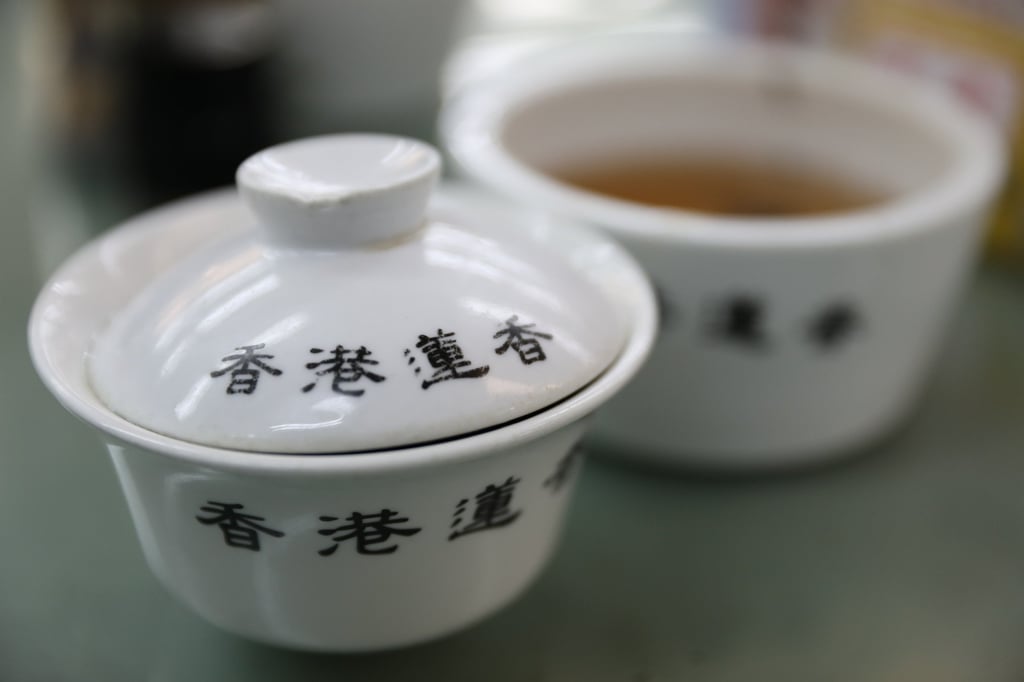
It is seen as an honour to have one’s tea poured by an elder or senior person. Photo: Nora Tam

Tea and other drinks should be served to others before helping oneself and, when being served, instead of saying “thank you”, the receiver can tap two fingers on the table to signify deference.

Advertisement
Advertisement
Select Voice
Choose your listening speed
Get through articles 2x faster
1.25x
250 WPM
Slow
Average
Fast
1.25x