How China’s Song dynasty was a great time for the nation but a terrible one for many women
While the Song dynasty saw huge advancements in culture, commerce and technology, it also gave rise to the horrific practice of foot binding

The Song period prided itself on what modern China would call “soft power”: arts, literature, science and education, all of which led to a thriving scholar class.
The dynasty was founded by Zhao Kuangyin (927-976), a military general in the short-lived Later Zhou dynasty (951-960), who staged a coup and came to power as Emperor Taizu of Song. Anxious about his throne being taken in the same way he took it, he deliberately weakened the country’s military and prioritised civilians when it came to choosing officials for administration.
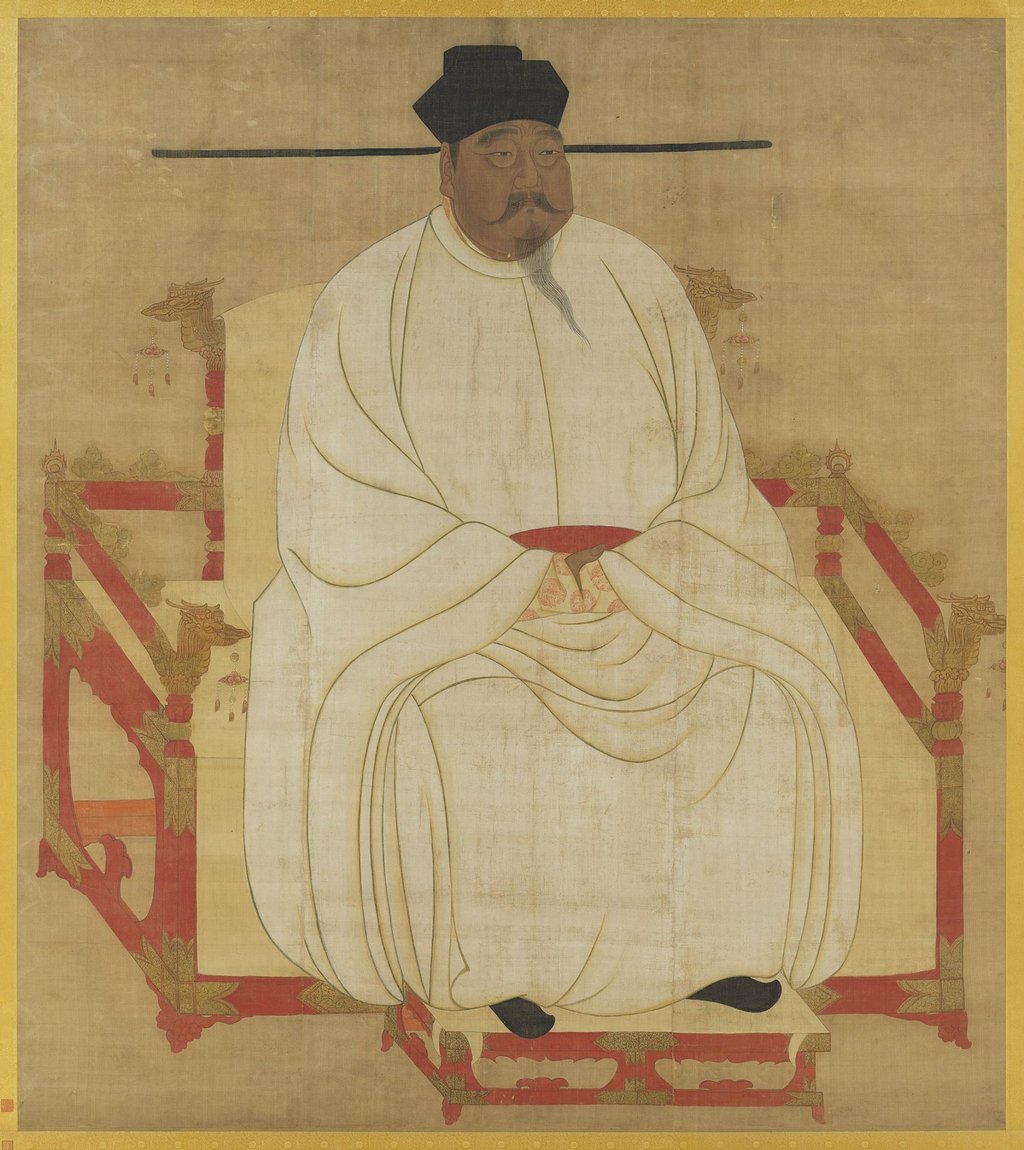
Although this resulted in a militarily weak dynasty with one of the smallest territories compared to other major periods in ancient China, it also ended an era of warlords and brought about one of the most culturally sophisticated ages in early Chinese history.