Advertisement
How China’s Qing dynasty brought both great wealth and humiliation to the nation
China’s final dynasty saw the arts and economy thrive under Manchu rule. But internal and external struggles corroded centuries of stability
4-MIN READ4-MIN
1
Listen

To understand Chinese culture, it is necessary to go back to the very beginning of its civilisation. In this series, we look at the most influential dynasties in Chinese history and how each, with its technological inventions and cultural advancements, helped propel the nation forward.
The Qing dynasty (1644-1912) was the last imperial dynasty of China.
During the Qing, which lasted almost 270 years, China experienced unprecedented wealth and stability, and cosmopolitan culture flourished.
The longest-ruling emperor in Chinese history also reigned during the Qing, and China became the most populous country in the world, with the biggest land area and economy.
But certain events that contributed to the Qing dynasty’s collapse have led some to regard it as a shameful period in Chinese history.
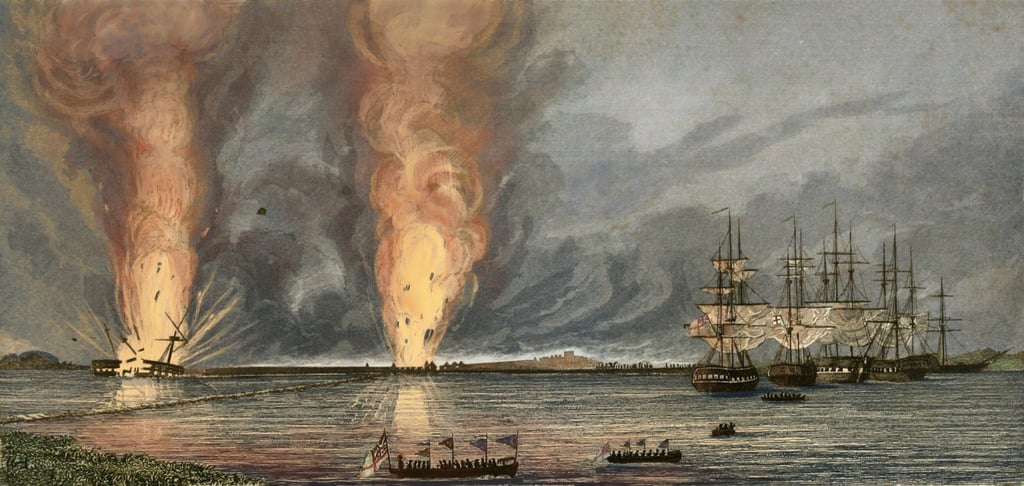
During the 19th century, the country became weakened by myriad internal failings and the Opium Wars (1839-1842 and 1856-1860), the first of which resulted in Hong Kong being ceded to the British in 1841.
Advertisement
Select Voice
Select Speed
1.00x