Is the ‘brotherly love’ in martial arts films homoerotic? Why Chang Cheh rejected fellow director Stanley Kwan’s reading of his films
- A Stanley Kwan-directed documentary, in which he came out as gay, examined sexual identity in Chinese cinema, especially Chang Cheh’s martial arts films
- Chang argues the male bonding in his films is based on classical Chinese literature. John Woo, though, is willing to allow a gay reading of his film The Killer

Hong Kong was a conservative place back in the 1990s, so it’s surprising that gender identity played such a big part in its film scene.
The mid-1990s also saw Hong Kong’s first commercial gay film, notable local director and distributor Shu Kei’s A Queer Story, which featured Jordan Chan Siu-chun and George Lam Tsz-cheung in a homosexual relationship.
“Recently, Hong Kong attitudes have been shifting – if only slightly – and local filmmakers are becoming bolder in their embrace of homosexual themes,” this journalist wrote in 1997.
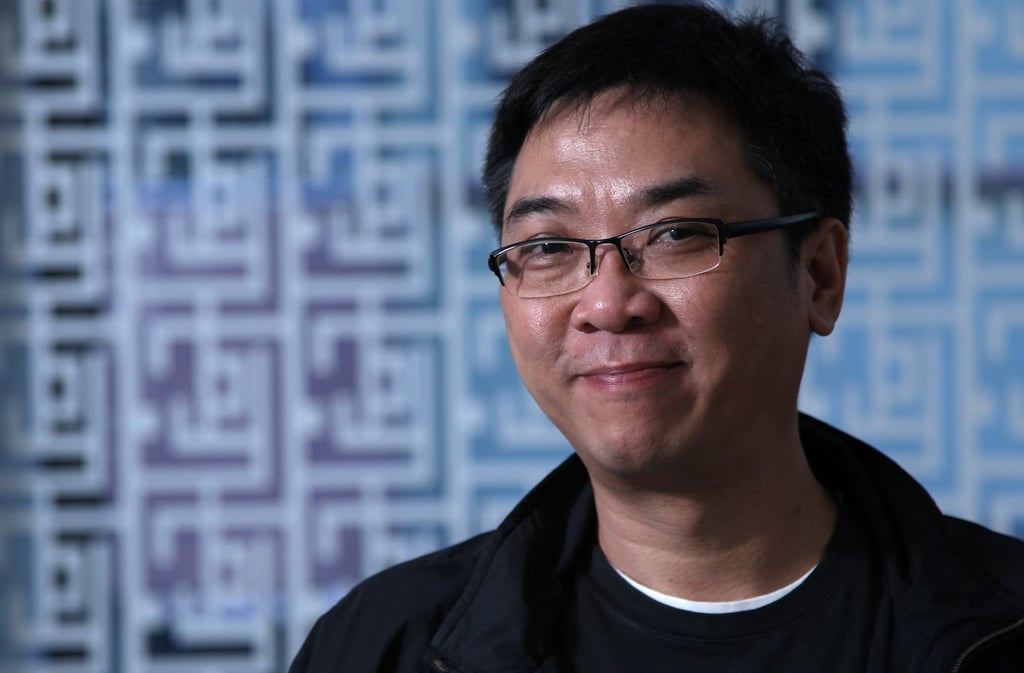
Kwan was commissioned by the British Film Institute to direct the Chinese segment of its 100 Years of Cinema video series, which gave filmmakers free rein to make a documentary of their choice about the history of cinema in their region.