Why your brain forces your senses to perceive reality to fit preconceived ideas
The representation of reality your brain provides after processing sensory perceptions may not match the real thing, a neuroscientist says

Seeing is believing, right? Well … perhaps not.
In the early 1700s, the philosopher Bishop Berkeley pointed out that we never experience the outside world directly – we only experience what our sense perceptions tell us about that world.
We assume that our sense perceptions realistically portray the outside world and provide us with accurate information about it. So if we see a cat, we think that the cat exists pretty much as we see it.
While this is a good – and necessary – assumption for going about daily life, Daniel Yon, an experimental psychologist and cognitive neuroscientist at the University of London in the UK, says that is not how the brain works.
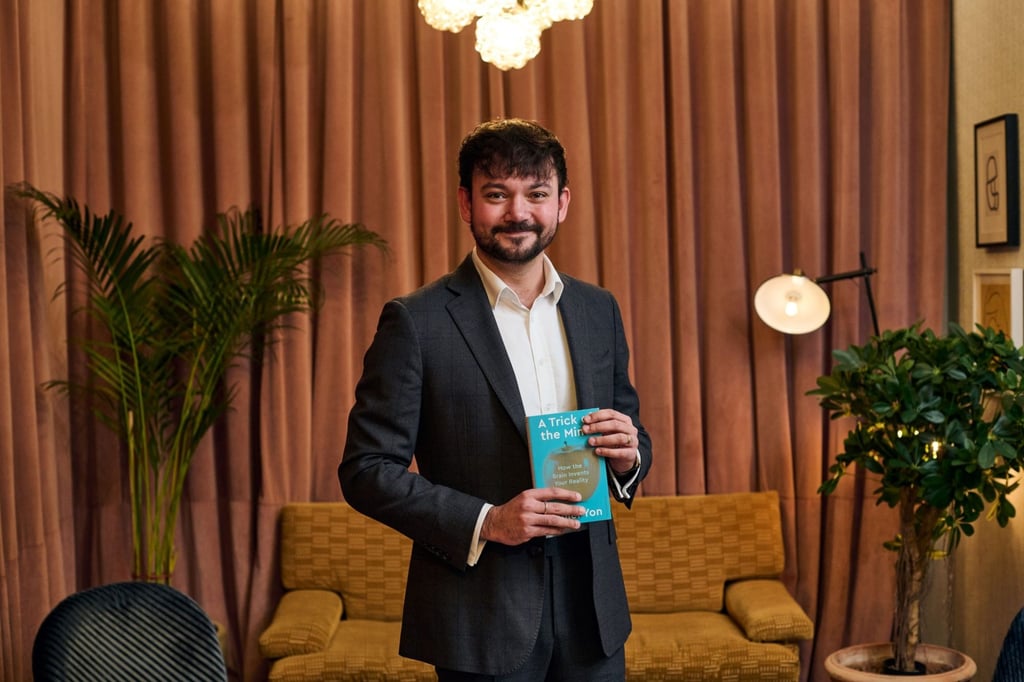
In his book A Trick of the Mind (2025), he says that what we actually see and hear is the result of a two-way process between the information already logged in our brains and the new information supplied by our senses.
The brain tries hard to fit our sensory experiences into a model of what it thinks they should be, and it can even change them to fit its preconceived ideas of what we should be seeing or hearing.